Chemists Create 'Water Armor' That Prevents Stains and Germs From Sticking to Clothing
Why It Matters
The technology promises to slash the environmental footprint of billions of annual wash cycles, reducing water consumption, energy use and microplastic discharge while simplifying household laundry. Its adoption could reshape the detergent market and accelerate sustainable textile innovation.
Key Takeaways
- •Coating creates ultrathin water layer that repels stains and microbes
- •Laundry water and electricity use drop over 80% with treated fabrics
- •Single rinse removes ketchup, oil, and soy sauce without detergent
- •Microplastic release is sharply reduced, trapping particles in polymer film
- •Cost recovery possible after ~15 washes, despite higher manufacturing expense
Pulse Analysis
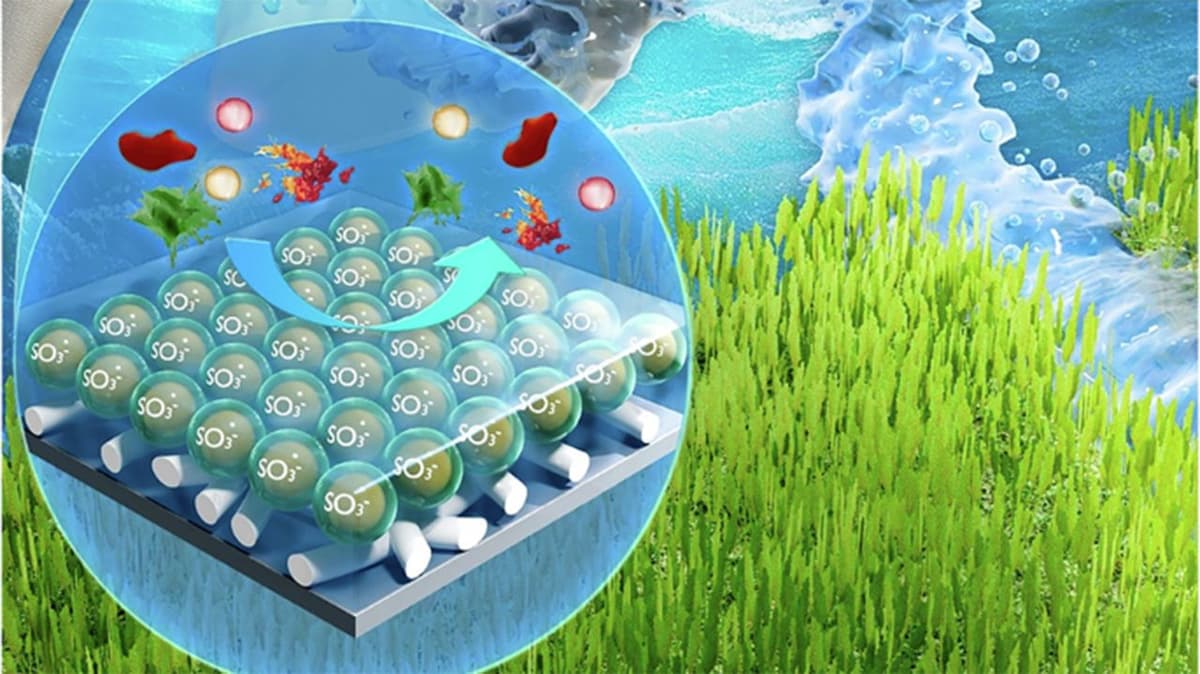
The breakthrough hinges on alternating layers of positively and negatively charged polymers that self‑assemble into a sulfonate‑rich film. This film attracts water molecules, creating a nanometer‑thin liquid barrier that prevents direct contact between fabric fibers and contaminants. Unlike traditional waterproof finishes that merely shed water, the "water armor" actively facilitates cleaning by allowing contaminants to be swept away with minimal water flow, a principle that could be extended to other surface‑treatment applications.
From an environmental standpoint, the coating tackles three major laundry challenges at once. A typical household wash uses 10.5‑16 gallons (40‑60 L) of water; the new coating reduces that demand by over 80%, translating to billions of gallons saved globally each year. Energy savings follow suit, as heating less water cuts electricity consumption. Moreover, the polymer layer captures micro‑fibers that would otherwise escape into wastewater, addressing growing concerns about microplastic pollution from synthetic textiles.
Commercialization, however, faces hurdles. Scaling the spray‑coating process to mass‑production lines must preserve the nanoscopic architecture without inflating costs. Consumer acceptance will depend on demonstrable safety, comfort and durability over at least 100 wash cycles. If manufacturers can meet these standards, the technology could disrupt the detergent industry, offering a detergent‑free laundry solution that aligns with sustainability goals and regulatory pressures for greener consumer products.
Chemists create 'water armor' that prevents stains and germs from sticking to clothing
Comments
Want to join the conversation?
Loading comments...