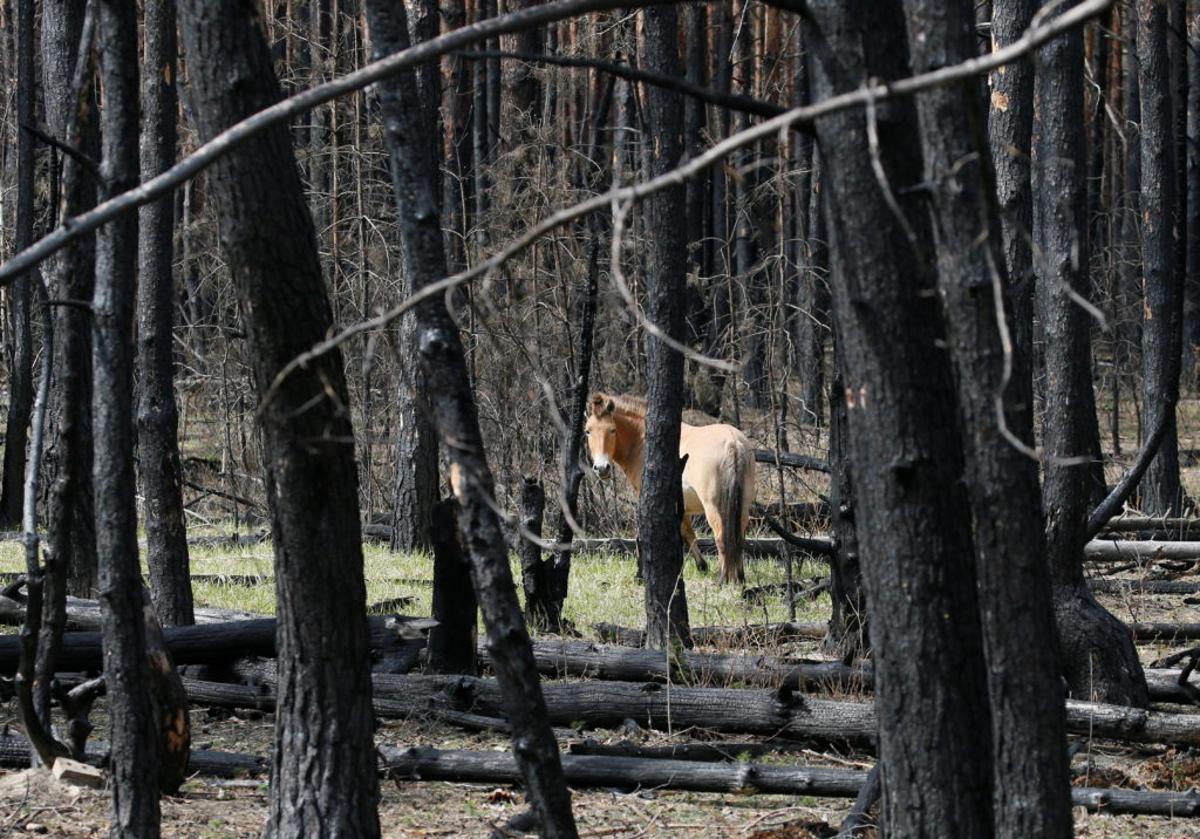
Chernobyl Full of Life as Wildlife Reoccupies a Radioactive Landscape
Why It Matters
The resurgence demonstrates nature’s capacity to rebound from extreme contamination, offering unique data for radiation ecology and conservation policy. It also highlights security and environmental risks linked to the zone’s militarization.
Key Takeaways
- •Przewalski's horses reintroduced in 1998 now roam freely
- •Wolves, brown bears, lynx, moose and deer have repopulated
- •Radiation has not caused mass die‑offs, only subtle effects
- •Military incursions and fires threaten the fragile ecosystem
- •Zone serves as a living laboratory for radiation research
Pulse Analysis
The Chernobyl exclusion zone, once a symbol of nuclear catastrophe, has evolved into a de‑facto nature reserve spanning roughly the size of Luxembourg. After the 1986 explosion forced the evacuation of towns, the absence of human pressure allowed native and introduced species to reclaim the landscape. Today, herds of Przewalski's horses, wolves, bears and other megafauna roam the forested expanse, providing a rare glimpse of how ecosystems can self‑organize when left undisturbed. This resurgence challenges conventional wisdom that high radiation levels render habitats permanently sterile, prompting ecologists to reassess the thresholds of wildlife resilience.
Researchers stationed in the zone are leveraging motion‑sensitive cameras and radio collars to monitor animal health, reproductive success and genetic mutations. While overt mortality remains low, subtle changes—such as darker skin in frogs and increased cataract rates in birds—signal chronic radiation exposure. These findings are invaluable for understanding long‑term ecological impacts of nuclear events, informing safety standards for future plant designs, and guiding remediation strategies worldwide. Moreover, the zone offers a unique comparative model against other contaminated sites, enriching the global body of radiation ecology literature.
However, the sanctuary faces mounting pressures. The 2022 Russian invasion introduced combat operations, fortifications and drone‑triggered fires that have scarred the forest canopy and re‑aerosolized radioactive particles. Climate‑driven harsh winters exacerbate stress on wildlife, while limited funding hampers comprehensive monitoring. Balancing conservation with security will be critical as policymakers decide the zone’s long‑term status, ensuring that this inadvertent laboratory continues to yield insights without compromising human safety or ecological integrity.
Chernobyl full of life as wildlife reoccupies a radioactive landscape
Comments
Want to join the conversation?
Loading comments...