Why It Matters
Understanding how ecosystems respond to extreme radiation informs conservation, radiobiology, and rewilding strategies worldwide.
Key Takeaways
- •Darker tree frogs in the zone may use melanin as radiation shield
- •Wolf numbers estimated seven times higher than surrounding reserves
- •Birch forests replaced radiation‑sensitive pines, reshaping habitat
- •Bank voles show higher mitochondrial diversity, hinting at mutation effects
- •Barn swallows face compounded stress from radiation heat and climate change
Pulse Analysis
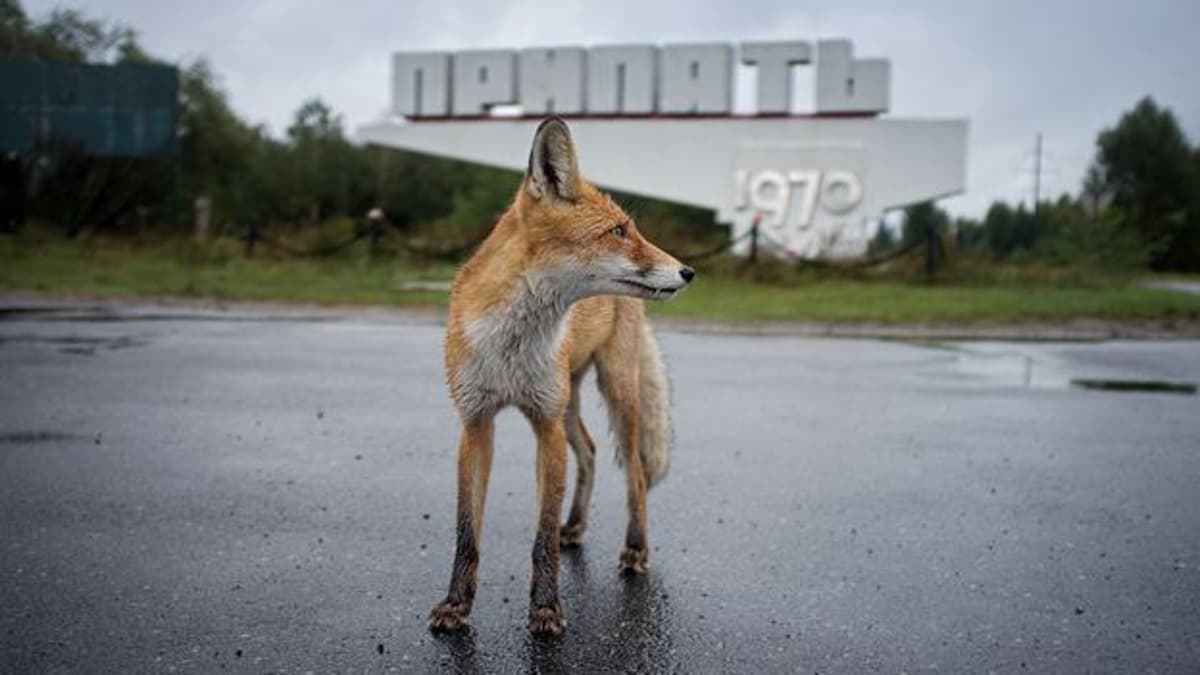
The Chernobyl exclusion zone has become a living laboratory for scientists studying how life endures extreme contamination. Over the past 40 years, the abrupt removal of humans has allowed large mammals such as wolves, bears and bison to rebound, creating a de‑facto rewilding experiment that challenges conventional wisdom about post‑disaster recovery. Researchers note that the shift from pine to birch forests not only altered the visual landscape but also provided new niches, influencing predator‑prey dynamics and biodiversity patterns that differ markedly from surrounding managed reserves.
At the micro‑level, studies of amphibians, rodents and fungi reveal a mosaic of genetic and phenotypic responses. Tree frogs captured near high‑dose hotspots display darker pigmentation, a trait some scientists argue could mitigate radiation damage through melanin’s protective properties. Similarly, bank voles exhibit increased mitochondrial diversity and persistent chromosomal aberrations across generations, suggesting possible transgenerational mutations. Yet the scientific community remains divided; critics point to limited sampling and confounding factors like heavy‑metal exposure, emphasizing the difficulty of isolating radiation as the sole driver of observed changes.
These findings carry broader implications for ecological risk assessment and policy. If certain species can adapt—or at least persist—in radiologically compromised environments, it may reshape guidelines for land use, wildlife management, and human health monitoring in other contaminated sites. Conversely, the emerging stress on species such as barn swallows, where radiation‑induced heat combines with climate warming, highlights the need for integrated approaches that consider multiple stressors. As the world grapples with nuclear safety and climate change, Chernobyl’s evolving ecosystem offers both cautionary lessons and hopeful insights into nature’s capacity for resilience.
Chernobyl’s wildlife: Surviving in a poisoned land
Comments
Want to join the conversation?
Loading comments...