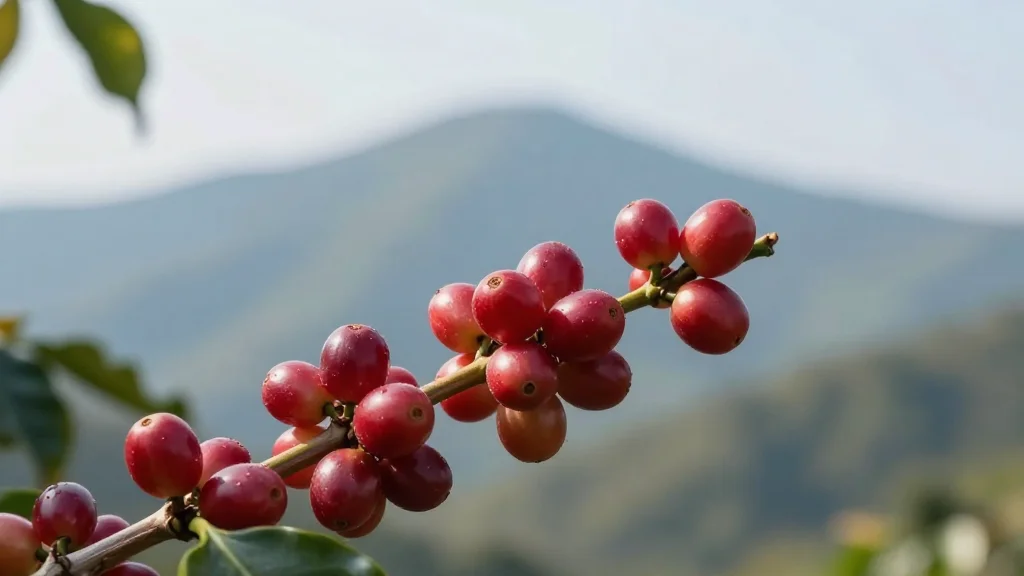
Cherry Microbiota and Metabolites with Planting Altitude of Coffea Arabica in Baoshan of China
Companies Mentioned
Why It Matters
Altitude‑driven microbial and chemical changes provide a natural lever for enhancing coffee flavor and for developing targeted fermentation starters, impacting premium coffee markets.
Key Takeaways
- •Altitude reshapes bacterial genera Sphingomonas and Pleomorphomonas dominance
- •Fungal community shifts: Cladosporium, Strelitziana vary across elevations
- •Caffeine, trigonelline, chlorogenic acid decline as altitude rises
- •Highest altitude coffee scores >80, achieving specialty grade
Pulse Analysis
Altitude has long been recognized as a cornerstone of coffee terroir, influencing temperature, humidity, and soil chemistry. Recent research from Baoshan, Yunnan, adds a microbial dimension to this picture, showing that elevation reshapes both bacterial and fungal populations on coffee cherries. Dominant bacteria such as Sphingomonas and Pleomorphomonas peak at mid‑altitudes, while fungi like Cladosporium and Strelitziana dominate at the extremes. These shifts affect enzymatic activity during post‑harvest fermentation, creating distinct metabolite signatures that ultimately shape cup quality.
The chemical profile of the beans mirrors these microbial trends. As elevation rises, the concentrations of caffeine, trigonelline, and chlorogenic acid—key flavor precursors—systematically decline, while a suite of other metabolites, including cycloastragenol and epothilone A, become more abundant. This biochemical transformation aligns with sensory data: beans from 1,600 m consistently score above the 80‑point specialty threshold, displaying brighter fruit and nutty notes. For coffee producers, these findings suggest that selecting or engineering specific microbial consortia could replicate high‑altitude flavor attributes even in lower‑elevation farms.
From a business perspective, Yunnan’s Arabica beans already command premium prices in global specialty markets, and the new insights provide a pathway to further differentiate the product. By isolating altitude‑adapted microbes as starter cultures, roasters and processors can enhance consistency and flavor complexity, reducing reliance on geographic constraints. This microbial‑focused approach also opens opportunities for intellectual property development, branding, and value‑added services, positioning Yunnan coffee as a leader in science‑driven quality innovation.
Cherry microbiota and metabolites with planting altitude of Coffea arabica in Baoshan of China
Comments
Want to join the conversation?
Loading comments...