Child Drownings Spike During Heatwaves – and It’s a Serious Climate Justice Issue
Why It Matters
The trend links climate‑driven heat to preventable child fatalities, exposing a climate‑justice gap that demands equitable adaptation infrastructure. Without public cooling options, vulnerable communities will bear the brunt of rising heat‑related drownings.
Key Takeaways
- •Drowning risk rises 7% per 1 °C temperature increase.
- •Children in deprived areas face double drowning risk versus affluent peers.
- •UK heatwaves could see 16× more 30 °C days by 2070.
- •Public pool closures reduce safe cooling options for youth.
- •Climate justice demands equitable access to supervised water spaces.
Pulse Analysis
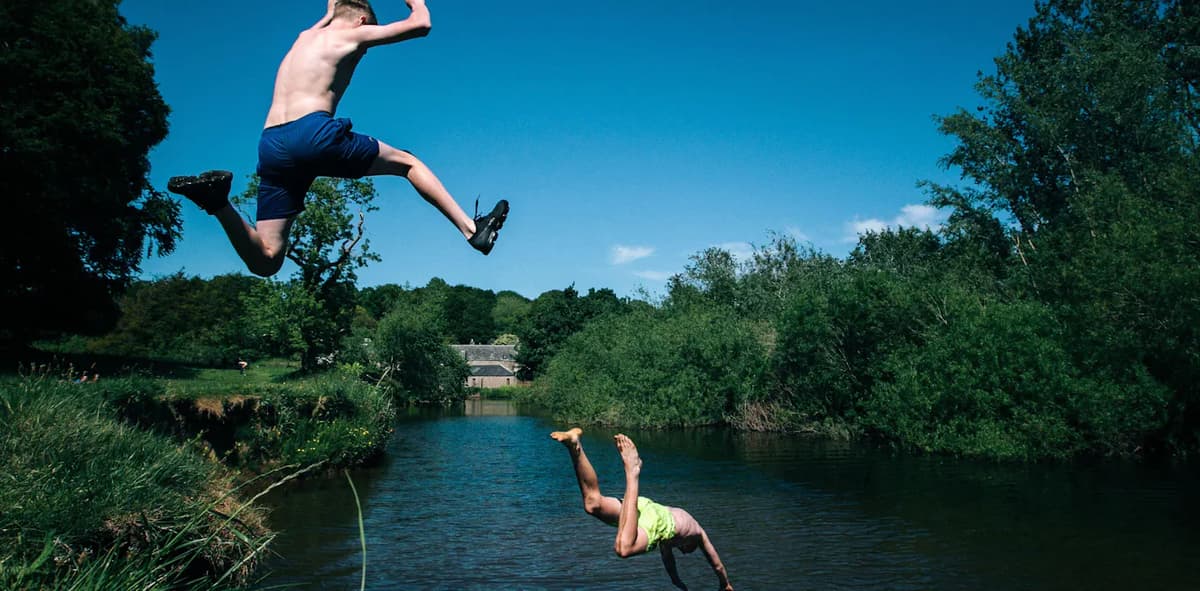
Heat‑related drownings are emerging as a silent casualty of climate change in the United Kingdom. Recent analyses of almost 2,000 drowning incidents reveal a clear statistical link: every 1 °C increase in daily maximum temperature lifts the odds of an unintentional drowning by 7%. As heatwaves become more frequent, children and teenagers instinctively seek water for relief, turning open rivers, lakes, and canals into high‑risk venues. This pattern underscores the need for public health officials to integrate temperature trends into water‑safety strategies, moving beyond generic warnings toward data‑driven risk mapping.
The danger is not evenly distributed. Children from low‑income households experience more than twice the drowning risk of their affluent peers, a disparity rooted in unequal access to climate‑resilient amenities. While some families can retreat to air‑conditioned homes, private gardens, or paid swimming sessions, others live in cramped, overheated housing with limited green space and no affordable transport to safe pools. Simultaneously, the UK’s public leisure infrastructure is eroding; Swim England and ukactive report accelerating closures of community swimming facilities, stripping vulnerable youth of supervised cooling alternatives. This convergence of socioeconomic inequality and shrinking public resources amplifies the climate‑justice dimension of the drowning crisis.
Policymakers must treat safe water access as essential climate infrastructure. Investing in shaded parks, publicly funded pools, and reliable, low‑cost transport links can provide equitable cooling options and reduce reliance on hazardous open water. Moreover, adaptation plans should embed water‑literacy programs that empower children to assess risk rather than merely fear it. By aligning heat‑wave response with broader climate‑adaptation goals, the UK can protect its youngest citizens while addressing the systemic inequities that exacerbate climate‑related harms.
Child drownings spike during heatwaves – and it’s a serious climate justice issue
Comments
Want to join the conversation?
Loading comments...