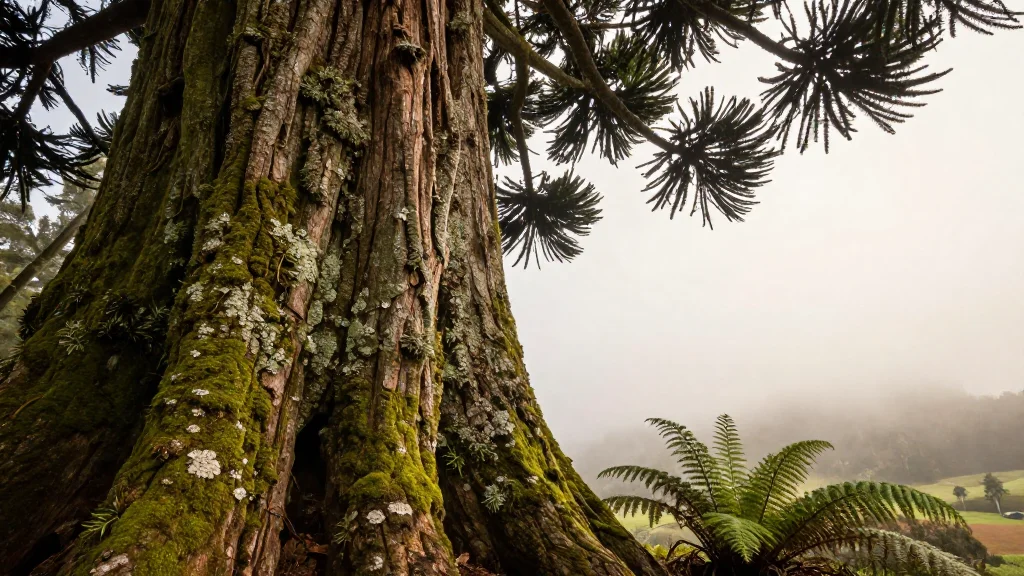
Chile’s Ancient Conifers Host Underground Web of Life that Sustains Forests: Study
Why It Matters
Ancient alerce trees act as biodiversity hubs; protecting them safeguards ecosystem services and climate resilience in threatened temperate forests.
Key Takeaways
- •Ancient alerce hosts 2.25× more fungal diversity than younger trees
- •361 unique fungal DNA sequences found under the 2,400‑year‑old tree
- •Mycorrhizal networks boost nutrient uptake and drought resilience
- •Illegal logging and road projects threaten remaining alerce habitats
- •Policy gaps leave old‑growth trees unprotected across Latin America
Pulse Analysis
The discovery that a 2,400‑year‑old alerce in Chile harbors more than twice the fungal diversity of its younger peers underscores the irreplaceable ecological capital of ancient trees. Arbuscular mycorrhizal fungi form extensive underground webs that shuttle water, phosphorus, and carbon between roots, effectively acting as a shared nutrient bank for the entire forest floor. Such symbiotic richness is not merely a curiosity; it underpins the productivity of temperate coastal ecosystems and provides a living archive of microbial evolution that cannot be replicated by planting new saplings.
These findings arrive as Chile’s alerce forests confront mounting pressures from climate‑driven wildfires, illegal logging, and a controversial highway proposal that would bisect protected land. The mycorrhizal network’s ability to enhance drought tolerance makes it a critical line of defense against increasingly severe fire regimes. Yet current environmental legislation lacks specific safeguards for venerable, large‑diameter trees, leaving them vulnerable to development and fragmentation. Strengthening legal frameworks to designate old‑growth specimens as ecological keystones could preserve the underground biodiversity that sustains forest regeneration and carbon sequestration.
Beyond immediate conservation, the unique fungal assemblages associated with millennial alerce may hold untapped biotechnological potential, from novel enzymes to climate‑adaptive symbionts. International research collaborations are already mapping mycorrhizal networks to inform restoration practices worldwide. As the scientific community highlights the disproportionate ecosystem services rendered by a handful of ancient trees, policymakers are urged to adopt targeted protection measures similar to those in the United States and Poland. Preserving these living pillars not only safeguards biodiversity but also strengthens global climate resilience.
Chile’s ancient conifers host underground web of life that sustains forests: Study
Comments
Want to join the conversation?
Loading comments...