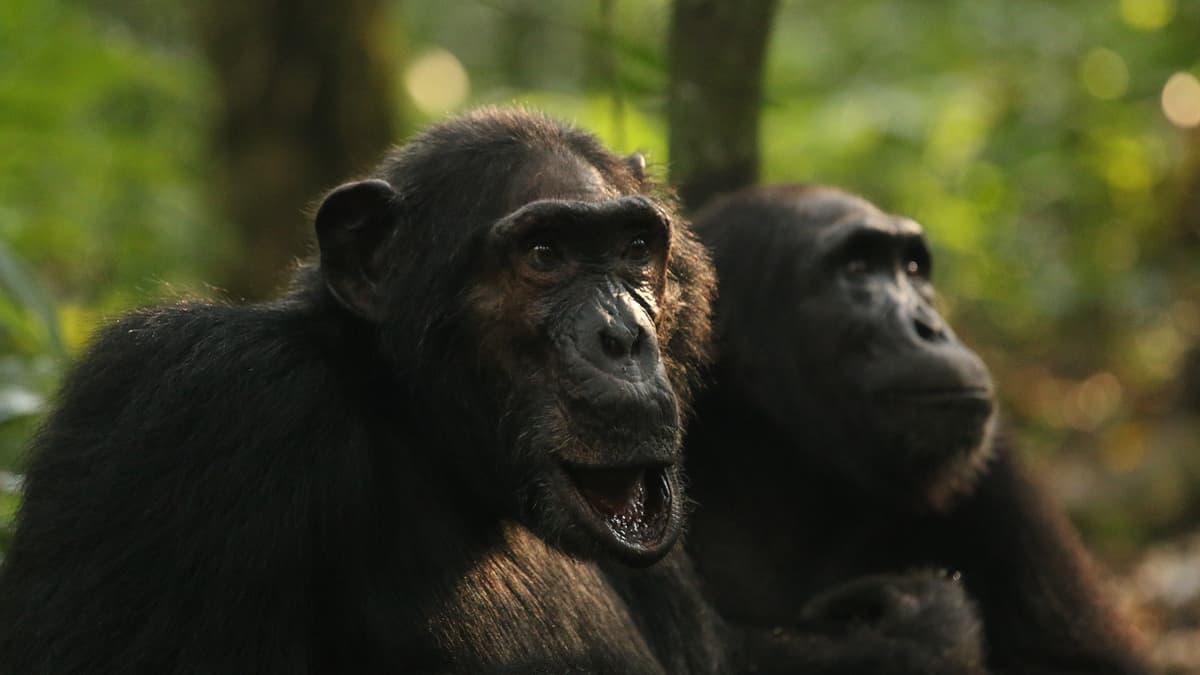
Chimp ‘Civil War’ Follows Rare Community Split in a Ugandan National Park
Why It Matters
The unprecedented violence reshapes population dynamics for an endangered species and offers a unique natural laboratory for studying the roots of collective conflict, informing both conservation strategies and broader theories of social cohesion.
Key Takeaways
- •Ngogo chimp community split into Central and Western factions after 2015
- •24 coordinated attacks from 2018‑2024 killed seven adult males, 17 infants
- •Violence rate 3,376 per 100,000 per year, 30× median chimp rates
- •Study suggests social network shifts can trigger collective violence in primates
- •Only second documented chimp fission‑war, after Gombe’s 1970s conflict
Pulse Analysis
The Ngogo chimpanzee community, once one of the world’s largest with up to 200 individuals, provides a rare window into primate social dynamics. While chimp groups routinely defend territories, the 2015 fission that birthed distinct Central and Western factions escalated into a lethal series of raids. Over six years, researchers recorded 24 attacks that decimated key breeding males and infants, driving mortality to levels unheard of in other populations. This level of intra‑group violence, documented in a peer‑reviewed Science article, underscores the value of longitudinal fieldwork that can capture slow‑burning social fractures before they erupt.
Beyond the immediate conservation alarm, the Ngogo case challenges conventional models of animal cooperation. The study links abrupt shifts in grooming and proximity networks to the emergence of coordinated aggression, suggesting that the erosion of social bonds can precipitate collective conflict even among highly intelligent mammals. Such mechanisms echo human sociopolitical research, where weakened interpersonal ties and competition for resources often precede civil unrest. By quantifying a 30‑fold increase in lethal encounters, the research offers a quantitative bridge between primate behavior and broader theories of group cohesion, hierarchy disruption, and the triggers of organized violence.
For conservationists, the findings carry urgent practical implications. Chimpanzees are listed as endangered, and the loss of a few dozen individuals can tip local population viability. The Ngogo experience reinforces the need for rigorous health protocols, habitat protection, and continuous demographic monitoring. Moreover, the study’s call for statistical tools to identify keystone individuals could inform targeted interventions that preserve social stability. As climate change and human encroachment intensify ecological pressures, understanding the social underpinnings of chimp conflict will be essential for safeguarding one of our closest evolutionary relatives.
Chimp ‘civil war’ follows rare community split in a Ugandan national park
Comments
Want to join the conversation?
Loading comments...