China Eases Climate Target but Clean Energy Could Still Cut Emissions, Experts Say
•March 5, 2026
0
Why It Matters
The target revision signals a softer policy stance from the world’s largest emitter, affecting global climate goals and shaping investment decisions in renewable and coal‑related assets.
Key Takeaways
- •17% carbon intensity cut target 2026‑2030, weaker than previous
- •Emissions could rise 3‑6% without strong growth
- •Solar boom drove 0.3% emissions dip in 2025
- •No absolute emissions cap; coal consumption still unclear
- •Clean tech expansion may offset policy shortfall
Pulse Analysis
China’s five‑year blueprint marks a modest retreat on climate ambition, trimming the carbon‑intensity reduction to 17% for 2026‑2030. While the target still signals progress, it falls short of the 18% cut pledged for the previous period and opens the door for a modest emissions rise if growth outpaces clean‑energy deployment. This shift matters because China accounts for roughly 30% of global CO₂ output, and any easing of its commitments reverberates through international climate negotiations and carbon‑pricing mechanisms.
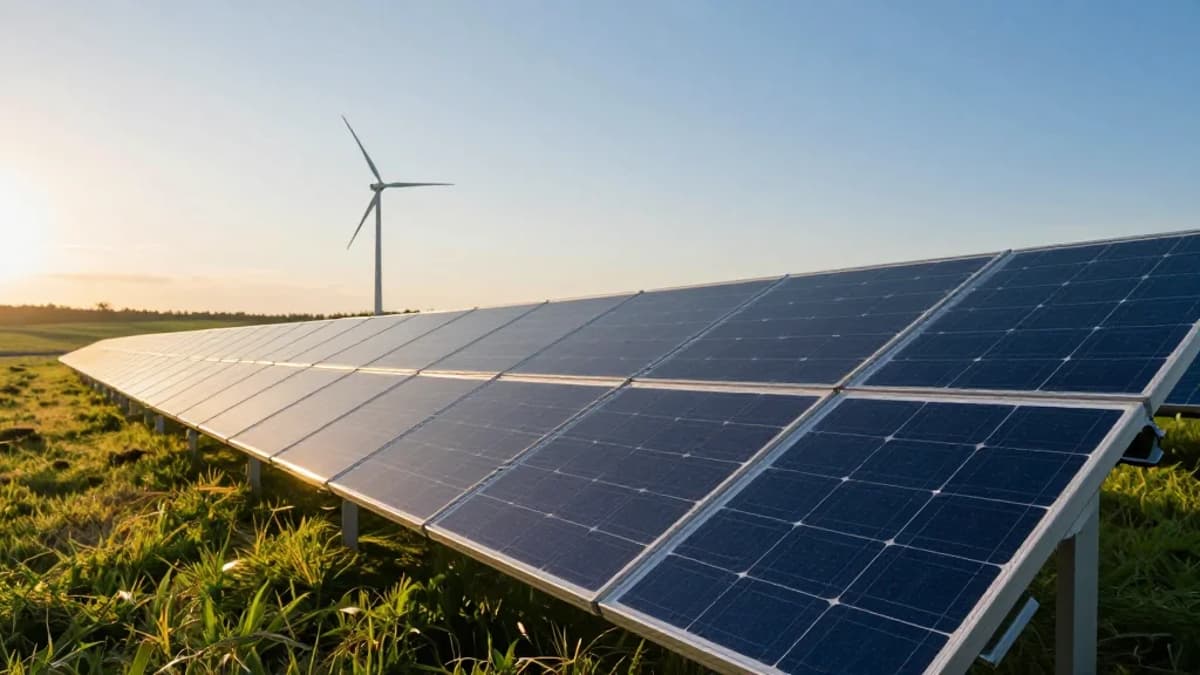
Despite the softer headline, on‑ground renewable expansion is reshaping China’s emissions trajectory. A rapid solar rollout, coupled with aggressive electrification of transport and industry, delivered a 0.3% decline in energy‑sector emissions in 2025—the first full‑year drop outside crisis periods. Analysts note that continued scaling of wind, solar, storage and electric vehicles could offset the lack of an absolute emissions ceiling, keeping China on a downward path even without stricter policy levers.
The plan’s ambiguity on coal remains a critical risk. While it calls for a peak in coal consumption, it stops short of mandating a phased reduction, and new coal‑fired capacity was added in 2025. This mixed signal creates uncertainty for investors and climate advocates who seek a clear phase‑down timetable. As clean‑technology gains prominence, the balance between renewable growth and coal reliance will determine whether China can meet its long‑term Paris commitments and influence the global energy transition.
China eases climate target but clean energy could still cut emissions, experts say
0
Comments
Want to join the conversation?
Loading comments...