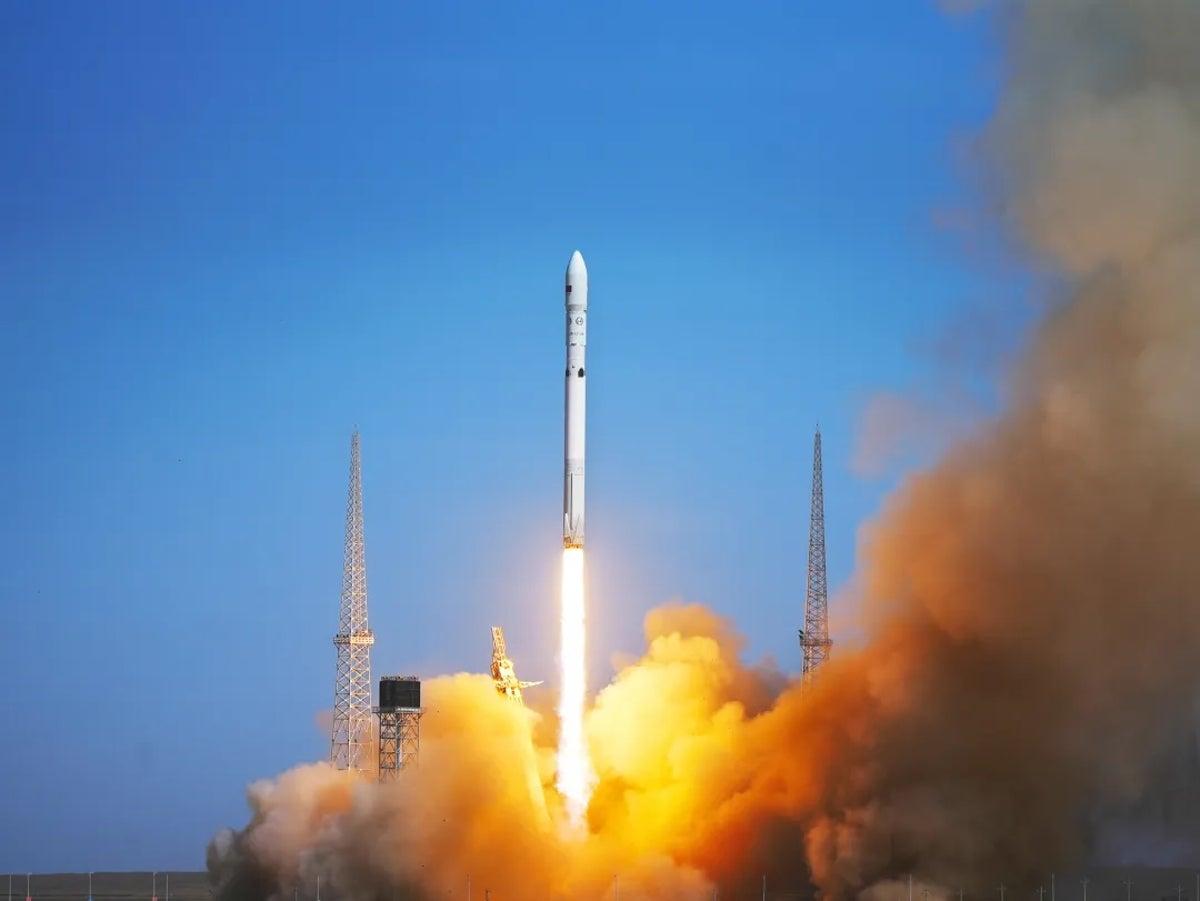
China Launches Rival to SpaceX Falcon 9 with Zero Warning
Companies Mentioned
Why It Matters
The launch signals China’s accelerating push into the commercial satellite‑internet market while raising safety‑compliance questions that could affect international launch norms and market dynamics.
Key Takeaways
- •Long March 12B launched without prior airspace or maritime alerts
- •Rocket mirrors Falcon 9 capabilities, targeting Qianfan megaconstellation
- •CASC declared flight successful, but first stage not recovered
- •Launch raises concerns over compliance with international safety protocols
- •China aims to rival Starlink, accelerating global satellite internet race
Pulse Analysis
China’s surprise lift‑off of the Long March 12B underscores a strategic shift in how the nation approaches commercial space operations. By forgoing the standard International Civil Aviation Organization and International Maritime Organization notifications, CASC sidestepped protocols designed to protect civilian air and sea traffic. While the move sparked criticism from safety advocates, it also reflects Beijing’s confidence in its launch infrastructure and a desire to project autonomy in a domain traditionally governed by multilateral norms.
Technically, the Long March 12B is engineered to match the payload capacity and reusability profile of SpaceX’s Falcon 9, positioning it as a credible contender in the burgeoning low‑Earth‑orbit launch market. The vehicle delivered a batch of satellites for the Qianfan constellation, which aims to provide broadband services comparable to Starlink’s global footprint. Although the first stage was not recovered on this maiden flight, the rocket’s design incorporates vertical landing capabilities that could soon enable rapid turnaround and cost reductions, echoing the commercial success that has propelled SpaceX to market dominance.
The broader implications extend beyond hardware. China’s entry into the satellite‑internet arena intensifies competition for spectrum, ground‑station partnerships, and government contracts worldwide. As the Qianfan network expands, service providers and enterprises will weigh pricing, latency, and geopolitical considerations when selecting a provider. Simultaneously, the lack of launch notifications may prompt regulators and industry groups to revisit safety standards, potentially shaping a new framework for responsible space activity in an increasingly crowded orbital environment.
China launches rival to SpaceX Falcon 9 with zero warning
Comments
Want to join the conversation?
Loading comments...