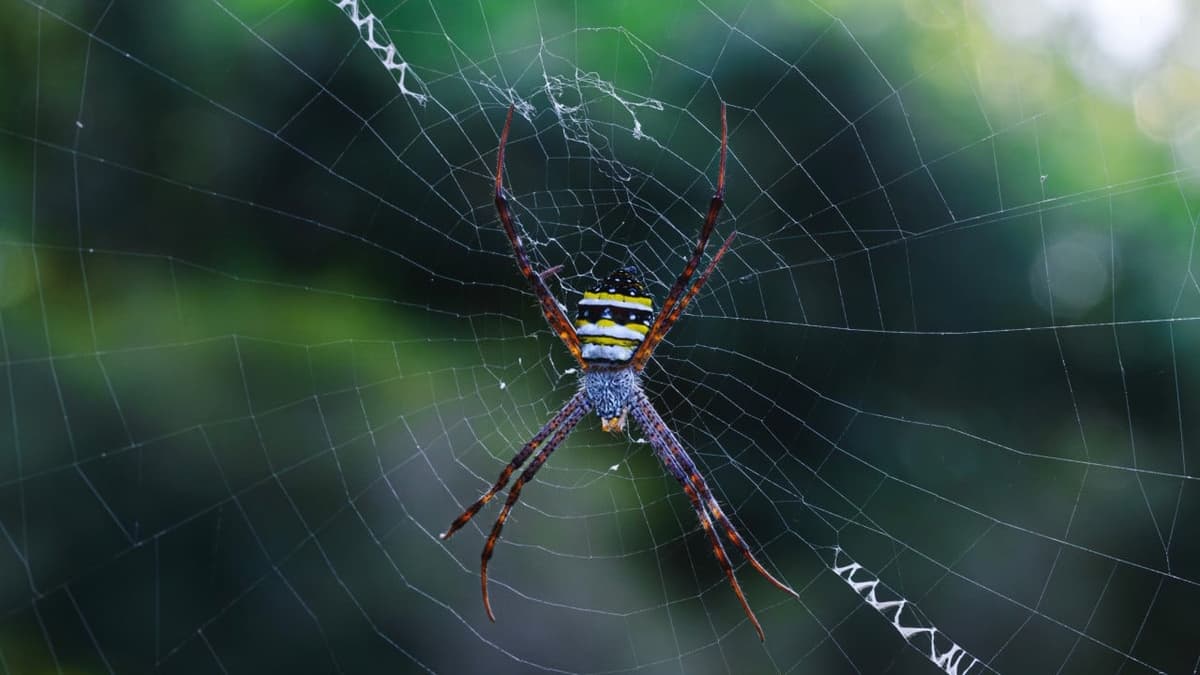
Chinese and Dutch Scientists Turn Corn to Sustainable Plastic, Inspired by Spider Silk
Why It Matters
Plantymer could slash reliance on oil‑derived plastics and curb persistent plastic waste, while delivering performance suitable for packaging. Its rapid biodegradability and comparable strength make it a compelling option as supply‑chain volatility pressures traditional petrochemical polymers.
Key Takeaways
- •Zein-based biopolymer degrades 80% in a month in soil.
- •Spider‑silk inspired processing yields rigidity comparable to natural silk.
- •Plantymer shows strong moisture and oxygen barrier properties.
- •Could reduce reliance on fossil‑based plastics amid geopolitical supply risks.
Pulse Analysis
The global plastics market, responsible for over 400 million tonnes of material annually, is under increasing scrutiny for its environmental footprint and vulnerability to geopolitical shocks. Researchers have turned to nature’s own engineering solutions, borrowing the molecular alignment strategy of spider silk to restructure plant proteins into high‑performance polymers. By mimicking the silk‑spinning process, the team transformed corn‑derived zein into a fiber and sheet form that rivals silk’s stiffness while maintaining a low‑cost, renewable feedstock.
Technical assessments reveal that the plantymer not only matches conventional packaging films in barrier properties but also exhibits a striking biodegradation profile—up to 80 % breakdown within thirty days under simulated soil conditions. This rapid decay addresses a core criticism of many bioplastics, which often linger in the environment. The material’s moisture resistance and oxygen impermeability position it for food‑service packaging, medical wraps, and other single‑use applications that currently dominate fossil‑based plastic consumption.
Commercialization, however, hinges on broader agricultural and supply‑chain dynamics. While corn is abundant, fertilizer shortages and competing food demands could constrain raw material availability. Nonetheless, the plantymer’s alignment with sustainability mandates and its potential to diversify the polymer supply base make it attractive to manufacturers seeking resilience against oil price volatility and trade disruptions. Continued scaling and lifecycle analyses will determine whether this spider‑silk‑inspired biopolymer can transition from laboratory success to market‑ready alternative.
Chinese and Dutch scientists turn corn to sustainable plastic, inspired by spider silk
Comments
Want to join the conversation?
Loading comments...