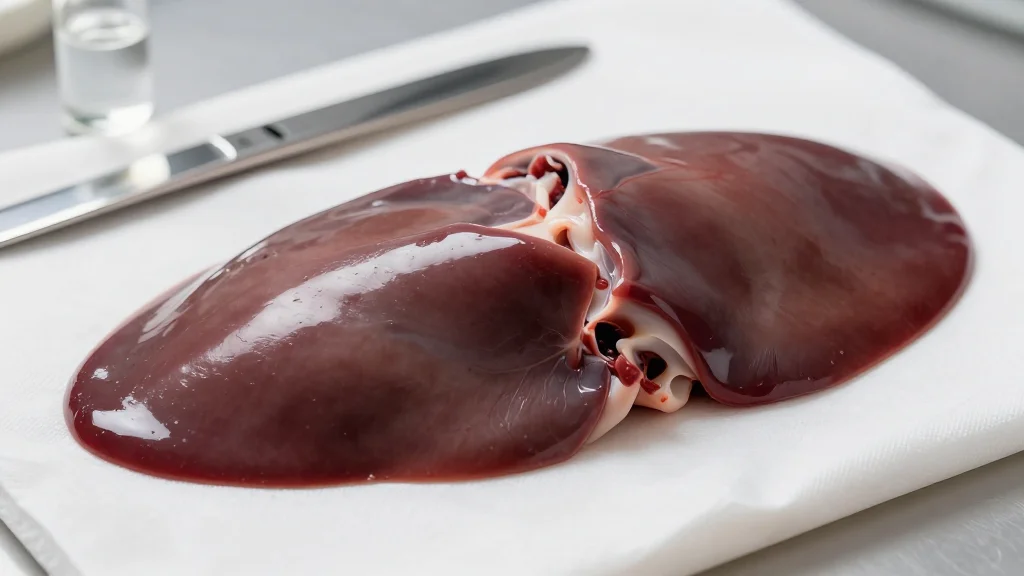
Chinese Team Transplants Pig Liver and Kidneys Into Brain‑Dead Patient, Organs Function 36 Hours

Why It Matters
The experiment demonstrates that genetically edited pig organs can temporarily replace human liver and kidney function, offering a potential lifeline for patients who would otherwise die waiting for donor organs. By proving that multiple organs can be transplanted simultaneously, the study opens a new research frontier that could eventually reduce reliance on scarce human donors. If the immunological hurdles identified—particularly early rejection mediated by S100A12+ cells—can be overcome, xenotransplantation may transform transplant medicine, lowering costs, shortening wait times, and expanding treatment options for complex multi‑organ failure cases worldwide.
Key Takeaways
- •First simultaneous transplant of a pig liver and two kidneys into a human recipient
- •Organs functioned for 36 hours before early rejection signs appeared
- •Pig donor genome edited at six sites to improve compatibility
- •Study published in Med confirms short‑term viability of multi‑organ xenotransplants
- •Researchers highlight need for better immunosuppression to achieve long‑term success
Pulse Analysis
The Nanning team's achievement builds on a decade of incremental xenotransplant milestones, moving the field from single‑organ experiments to a more clinically relevant multi‑organ scenario. Historically, xenotransplantation has been hampered by hyperacute rejection, coagulation disorders, and zoonotic infection risk. The six‑gene edit strategy reflects lessons learned from earlier pig‑to‑human heart and kidney trials, where removal of alpha‑gal and addition of human complement regulators reduced immediate immune attacks. However, the emergence of S100A12+ inflammatory cells suggests that downstream immune pathways remain active, pointing to a new target for drug development.
From a market perspective, the success could accelerate investment in gene‑editing platforms and immunomodulatory therapeutics tailored for xenotransplant patients. Companies specializing in CRISPR‑based livestock engineering are likely to see heightened interest, while biotech firms developing novel anti‑rejection agents may find a niche in supporting longer‑term graft survival. Yet, regulatory pathways remain uncertain; the FDA and Chinese authorities will need to establish clear criteria for safety, especially concerning cross‑species pathogen transmission.
Looking ahead, the key to translating this proof‑of‑concept into a viable clinical option lies in extending graft survival beyond days to months or years. That will require a combination of more sophisticated genome edits—perhaps adding human immune checkpoint molecules—and refined immunosuppression regimens that avoid the toxicity of current drugs. If researchers can achieve durable function, xenotransplantation could reshape organ allocation policies, reduce transplant waiting lists, and ultimately save countless lives. Until then, the Nanning experiment stands as a bold indicator of what may be possible when cutting‑edge genetics meets surgical ambition.
Chinese Team Transplants Pig Liver and Kidneys into Brain‑Dead Patient, Organs Function 36 Hours
Comments
Want to join the conversation?
Loading comments...