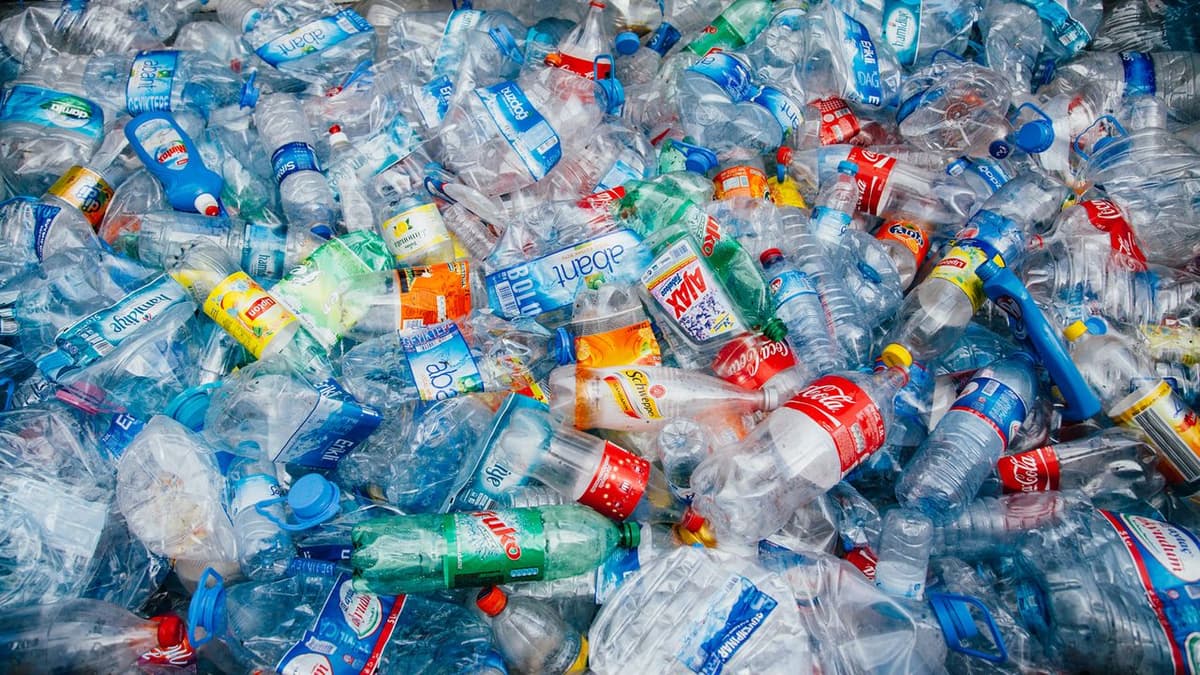
Clean Hydrogen Created From Plastic Waste Using Battery Acid From Old Cars and Solar Power
Why It Matters
The approach tackles two major waste streams—plastic and lead‑acid batteries—while delivering green hydrogen, a key energy carrier, potentially lowering feedstock costs and emissions for chemical manufacturing.
Key Takeaways
- •Researchers turn PET waste into glycol and terephthalic acid with battery acid
- •Solar‑driven catalyst generates hydrogen from glycol in acidic medium
- •Process merges plastic depolymerisation and hydrogen production in one reactor
- •Reclaimed battery acid cuts feedstock costs and diverts hazardous waste
- •Flow‑reactor trials aim to prove commercial scalability
Pulse Analysis
Plastic pollution remains a global crisis, with more than 440 million U.S. tons generated in 2025 and recycling rates under 10 percent. Conventional mechanical recycling handles only a narrow range of polymers, leaving the majority of PET, PU, and nylon to accumulate in landfills or incinerators. Chemical recycling—breaking polymers back into monomers—offers a pathway to recover material value, but it typically requires costly reagents and separate processing steps, limiting commercial uptake. The new Cambridge method addresses these gaps by coupling depolymerisation with hydrogen production, creating a dual‑value stream from a single feedstock.
The breakthrough hinges on two sustainable inputs: reclaimed sulfuric acid from end‑of‑life lead‑acid batteries and sunlight‑driven catalysis. By extracting the acid that is usually discarded after lead recovery, the researchers eliminate the need for fresh, petroleum‑derived chemicals, reducing both cost and environmental impact. The molybdenum‑based photocatalyst operates under visible light, oxidising the glycol monomer to generate electrons that reduce protons to hydrogen. This integrated approach not only yields hydrogen—a clean fuel and industrial feedstock—but also produces acetic acid, opening avenues for further chemical synthesis without additional energy input.
For industry, the technology promises a circular economy model where plastic waste becomes a source of both raw chemicals and renewable energy. Scaling the process in a continuous flow reactor could align with existing petrochemical infrastructure, offering a plug‑in solution for refineries and chemical plants seeking to decarbonise. While challenges remain—such as ensuring catalyst stability under acidic conditions and achieving economies of scale—the potential to halve carbon footprints in hydrogen‑dependent reactions positions this method as a compelling candidate for future green‑hydrogen portfolios. Continued pilot studies will determine whether the concept can transition from laboratory novelty to commercial reality.
Clean hydrogen created from plastic waste using battery acid from old cars and solar power
Comments
Want to join the conversation?
Loading comments...