Climate Change Is Altering Saharan Dust – and Europe Is Downwind
Why It Matters
Saharan dust directly degrades air quality, spikes respiratory and cardiovascular mortality, and disrupts transport and energy infrastructure, making it a cross‑border climate‑health emergency. Its trajectory signals broader feedbacks between desertification and global climate systems, affecting economies and policy priorities.
Key Takeaways
- •Dust emissions could rise 40‑60% by 2100.
- •Sahel vegetation growth has reduced some dust storms.
- •Up to 44% of PM10‑related deaths in Spain, Italy.
- •Dust darkens Alpine snow, accelerating melt.
- •Early warnings can limit health and transport disruptions.
Pulse Analysis
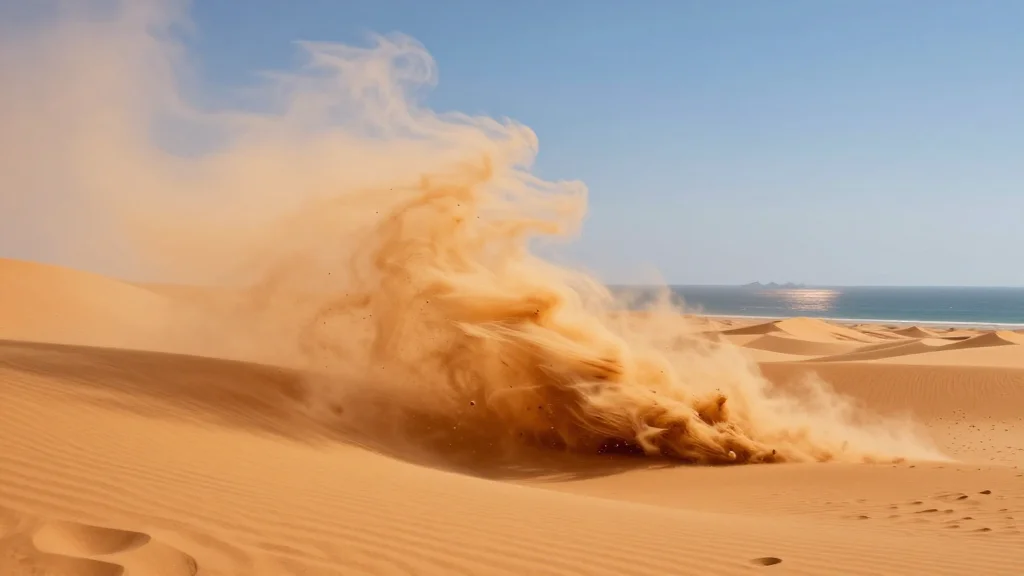
The Sahara remains the planet’s largest dust source, and warming temperatures are drying soils faster than vegetation can recover. When wind lifts particles several kilometres aloft, they hitch a ride on the Mediterranean jet stream, travelling thousands of kilometres toward Europe. Recent climate models show that, under high‑emission pathways, the Sahara could emit up to 60% more dust by 2100. Yet the picture is nuanced: increased rainfall and greening in the Sahel have stabilized some dunes, while a global slowdown in surface winds—often called "global stilling"—has reduced the intensity of certain storms. This duality underscores the importance of regional climate dynamics in shaping dust fluxes.
For European cities, the influx of fine particulate matter (PM10) is more than a visual curiosity. Health impact assessments link Saharan dust to as much as 44% of PM10‑related mortality in Spain and Italy, aggravating asthma, heart disease, and premature deaths. Economically, dust settles on Alpine snowpacks, lowering albedo and hastening melt, which threatens winter tourism and water resources. Aviation routes experience reduced visibility, prompting flight delays, while solar farms see efficiency drops due to panel fouling. Collectively, these effects translate into billions of euros in indirect costs across the continent.
Mitigation strategies must operate on two fronts. In the Sahara, preserving soil integrity through sustainable grazing, protecting river flows, and restoring biocrusts can curb dust generation at its source. In Europe, expanding early‑warning networks, improving indoor ventilation, and increasing urban green cover help protect vulnerable populations. Crucially, the transboundary nature of dust demands coordinated policy—binding agreements on land‑use, water management, and public‑health response between African and European governments. As dust continues to serve as a visible barometer of climate stress, robust international cooperation will be essential to keep orange skies from becoming a permanent fixture.
Climate Change Is Altering Saharan Dust – and Europe Is Downwind
Comments
Want to join the conversation?
Loading comments...