Climate Change Is Supercharging Pollen and Making Allergies Worse
Why It Matters
Longer, denser pollen seasons increase public‑health burdens and strain emergency services, while highlighting climate change’s direct impact on human health. Understanding these dynamics is essential for healthcare planning and climate policy.
Key Takeaways
- •Climate change extends pollen seasons, adding up to 40 days earlier starts
- •Thunderstorm asthma events surge as storms break pollen into respirable particles
- •US ragweed allergies affect ~50 million; seasons lengthen by weeks
- •Melbourne 2016 thunderstorm asthma caused 10 deaths and overwhelmed emergency services
- •Without emissions cuts, future pollen seasons could add two months of symptoms
Pulse Analysis
Climate change is reshaping the biology of airborne allergens. Warmer winters and earlier springs boost plant growth, causing trees, grasses and weeds to release more pollen over an extended period. Studies show ragweed seasons in North America have lengthened by 20‑25 days in several cities, and projections indicate that by 2100 pollen could appear up to 40 days earlier and linger 15 days longer. This amplified exposure translates into higher rates of hay fever, asthma exacerbations, and related healthcare costs.
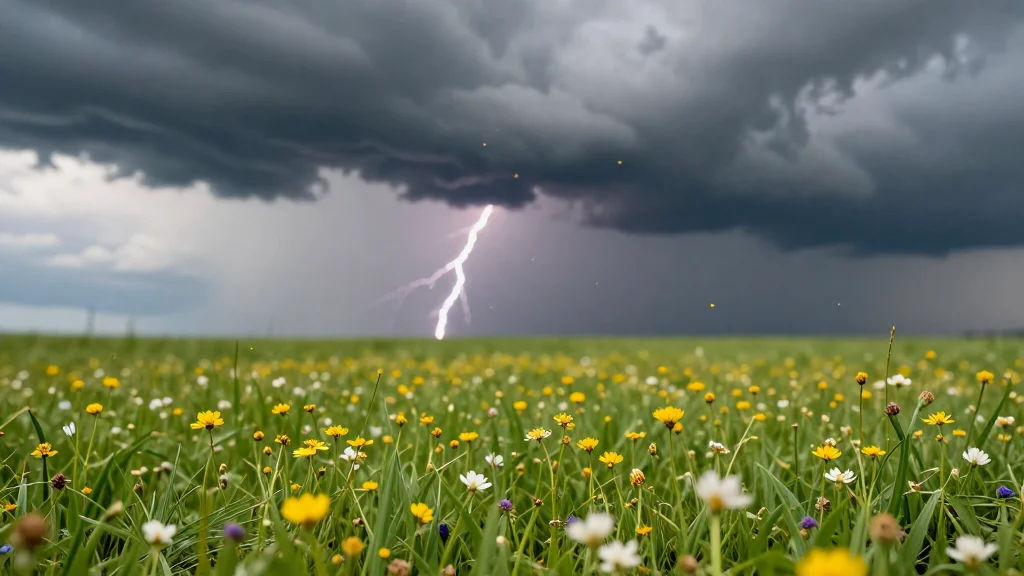
The phenomenon of thunderstorm asthma illustrates how extreme weather can magnify allergy risks. When powerful storms loft dense pollen clouds, rain and electrical activity shatter particles into microscopic fragments that penetrate deep into the lungs. The 2016 Melbourne event, which overwhelmed ambulances and resulted in ten fatalities, is a stark reminder that such episodes, though rare, can quickly become public‑health emergencies. Similar incidents have been recorded in Birmingham, Atlanta and other locales, suggesting a growing vulnerability as climate‑driven storms become more frequent.
For policymakers and health systems, the message is clear: mitigating greenhouse‑gas emissions is a preventive health strategy, while adaptive measures—such as real‑time pollen monitoring, public alerts, and reinforced emergency response capacity—are essential to protect at‑risk populations. Investing in research on allergen forecasts and integrating climate data into medical planning can reduce morbidity and save lives as the planet continues to warm.
Climate change is supercharging pollen and making allergies worse
Comments
Want to join the conversation?
Loading comments...