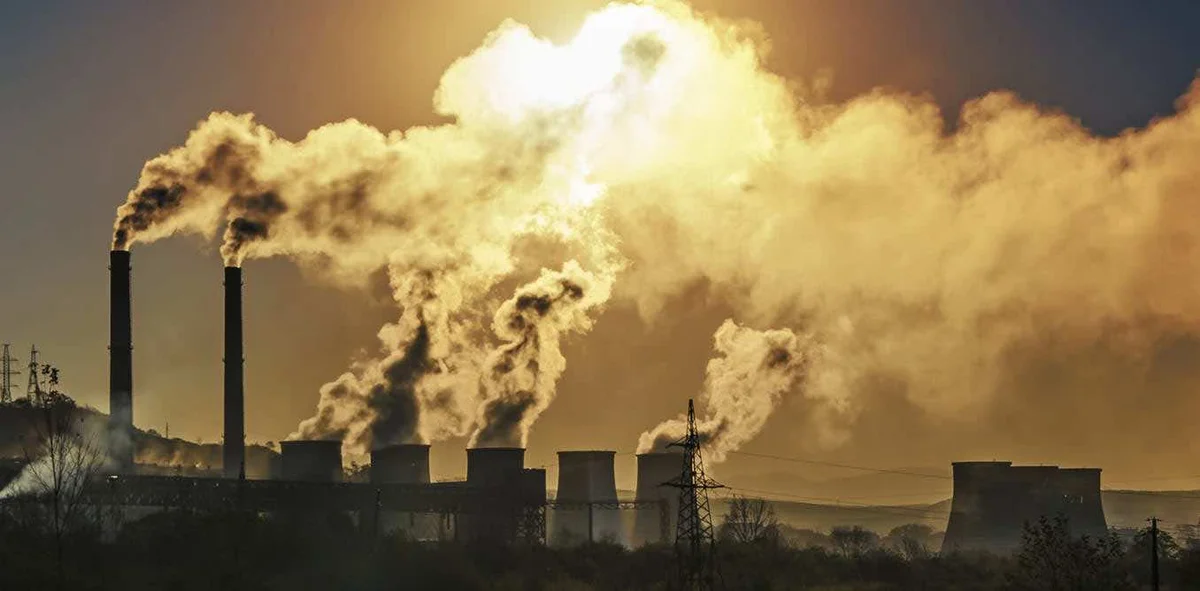
Climate Scientists Warn of Record Rate of Global Warming, Carbon Budget to Be Exhausted in 3 Years
Why It Matters
The imminent exhaustion of the 1.5 °C carbon budget forces policymakers and businesses to accelerate decarbonization, or face escalating climate‑related economic and social costs.
Key Takeaways
- •Carbon budget for 1.5 °C likely exhausted by 2028
- •Global heat accumulation now at record high levels
- •Sea level rose 23 cm since 1901, 1.8 mm/yr
- •Emissions growth slowing, but not enough to meet Paris goals
- •Marine heatwaves hit 65 days in 2025 alone
Pulse Analysis
The new Earth System Science Data report paints a stark picture: the planet’s energy imbalance has doubled since the 1970s, driving a warming rate of 0.27 °C per decade. This pace means the remaining carbon budget that would keep warming below 1.5 °C—central to the 2015 Paris Agreement—could be spent in as little as three years. Researchers also highlight that the 1.7 °C budget, a less stringent target, would vanish within a dozen years, underscoring how quickly the climate system is outpacing mitigation efforts.
For governments and corporations, the findings translate into an urgent call to tighten emissions policies. The Paris framework’s “well below 2 °C” ambition now appears increasingly unattainable without rapid, large‑scale deployment of clean energy, carbon capture, and demand‑side measures. Financial markets are already pricing climate risk, and the prospect of a breached carbon budget could trigger stricter regulations, higher carbon prices, and accelerated asset‑stranding in fossil‑fuel sectors. Moreover, the record sea‑level rise of 23 cm since 1901 amplifies exposure for coastal infrastructure, prompting insurers and real‑estate developers to reassess risk models.
Despite the grim headline, the report notes early signs of a turning point: elevated oil prices, expanding electric‑vehicle adoption, and accelerating renewable‑energy capacity are beginning to flatten global CO₂ growth. However, scientists caution that these trends must scale dramatically to bend the curve before the critical three‑year window closes. Stakeholders who act now—by investing in low‑carbon technologies, supporting climate‑resilient urban planning, and advocating for ambitious policy frameworks—stand to mitigate the worst economic fallout while positioning themselves at the forefront of the emerging green economy.
Climate scientists warn of record rate of global warming, carbon budget to be exhausted in 3 years
Comments
Want to join the conversation?
Loading comments...