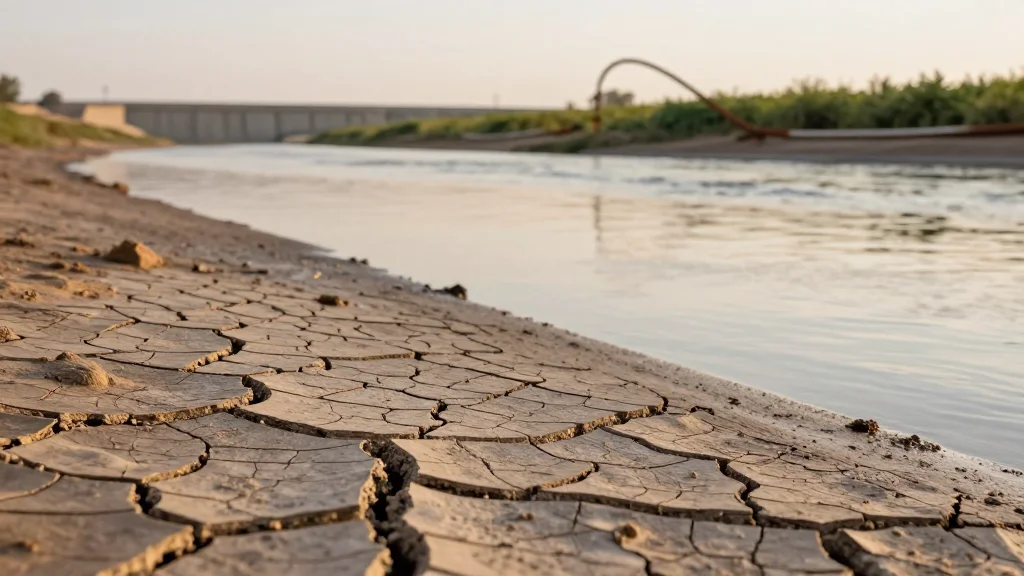
Colorado River Faces ‘Devastating Consequences’ If Another Dry Winter Lands, Experts Warn
Why It Matters
The projected water shortfall threatens the supply for 40 million residents, agricultural output, and power generation, heightening legal disputes and economic risk across the Southwest.
Key Takeaways
- •Dry winter could over‑consume river by 2.59 M acre‑feet.
- •Mead and Powell would operate near minimum elevations, limiting power.
- •Even a wet year only delays over‑use; surplus lasts <2 years.
- •Long‑term basin stability requires permanent cuts in agricultural consumptive use.
Pulse Analysis
The Colorado River basin, home to 40 million people and a vital agricultural corridor, has entered a new phase of climate‑driven scarcity. Decades of over‑allocation combined with a warming climate have eroded natural inflows, leaving reservoirs at historically low levels. While the 2023 snowpack offered a temporary boost, the underlying imbalance persists, and the latest hydrological models show that even optimistic precipitation scenarios cannot offset the cumulative deficit. This structural shortfall underscores the urgency of rethinking water management in the arid West.
The recent expert report outlines two divergent scenarios: a dry water year resembling 2025 would push consumptive use 2.59 million acre‑feet beyond sustainable flow, threatening a “run‑of‑river” operation at Hoover and Glen Canyon dams. In a wetter year akin to 2023, a surplus of 4.83 million acre‑feet could modestly refill Mead and Powell, yet the surplus would evaporate within two years of normal usage patterns. Both pathways converge on a stark reality—reservoir elevations would hover just above the thresholds needed for power generation and structural safety, curtailing electricity output and raising the specter of emergency water releases.
Policymakers face a crossroads between short‑term stopgap agreements and a durable, basin‑wide reduction in water use. Experts argue that meaningful cuts must target agricultural consumptive use, the largest demand sector, through incentives, pricing reforms, and precise measurement of individual withdrawals. As the Bureau of Reclamation prepares its upcoming operating plan, the risk of interstate litigation looms, potentially stalling coordinated action. A long‑term solution will require binding water‑use caps, investment in water‑saving technologies, and a shift toward resilient, climate‑aware allocation frameworks to safeguard the Colorado River for future generations.
Colorado River Faces ‘Devastating Consequences’ If Another Dry Winter Lands, Experts Warn
Comments
Want to join the conversation?
Loading comments...