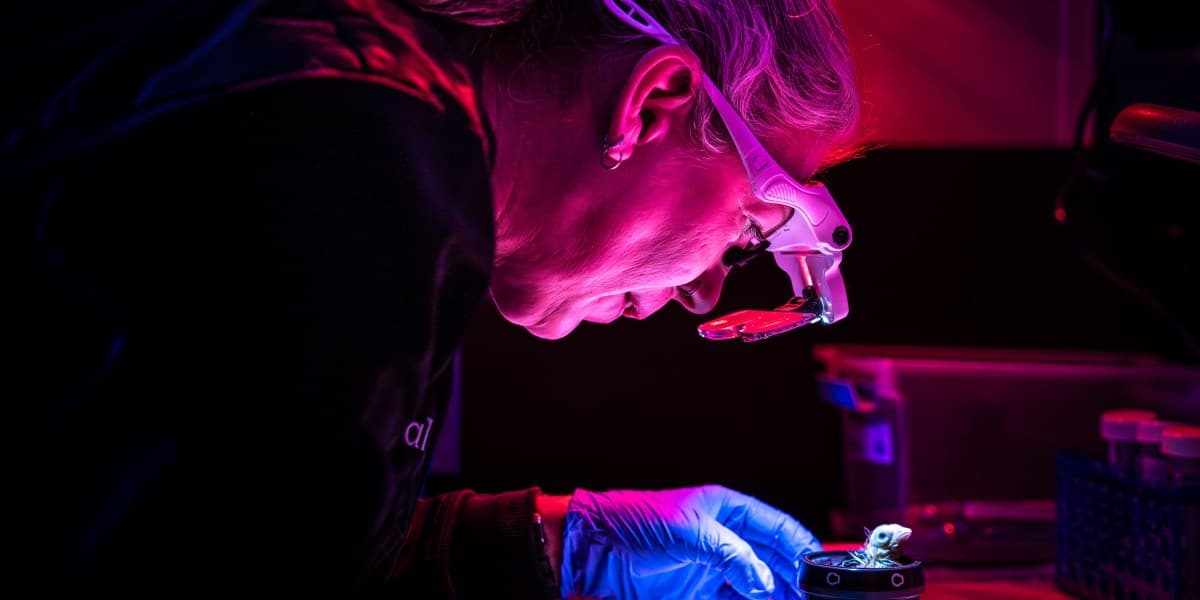
Colossal Biosciences Is Growing Chickens in a 3D-Printed Artificial Eggshell
Why It Matters
The technology offers a scalable platform for avian embryo incubation, potentially accelerating conservation and de‑extinction efforts while highlighting the gap between biotech hype and peer‑reviewed science.
Key Takeaways
- •Colossal printed silicone‑lined plastic shells to incubate chicken embryos.
- •New membrane supplies oxygen, reducing hatch failures compared with prior systems.
- •Company has raised over $800 million for de‑extinction projects.
- •Experts say the breakthrough modifies existing methods, not a wholly novel invention.
- •Artificial eggs could aid endangered bird conservation and future moa reconstruction.
Pulse Analysis
Colossal Biosciences’ artificial eggshell marks a tangible step toward synthetic incubation, a field that has long been limited by the need for a natural shell’s gas exchange and calcium supply. By 3D‑printing an oval lattice and coating it with a silicone‑based membrane, researchers created a transparent vessel that mimics the porous nature of a real eggshell while allowing continuous visual monitoring. The design also incorporates ground‑up calcium to replace the shell’s structural role, and early trials have produced viable chicken hatchlings with fewer embryonic failures than prior artificial systems.
Beyond the novelty of a "plastic egg," the development feeds directly into Colossal’s broader de‑extinction agenda, which leverages CRISPR gene editing and reproductive technologies to resurrect species like the extinct giant moa. While the company touts the artificial shell as a platform for scaling up such projects, experts note that the underlying method traces back to research from the late 1990s. The real differentiator is the enhanced oxygen‑permeable membrane, which could improve survival rates for endangered birds in captive‑breeding programs, offering a practical conservation tool even if full de‑extinction remains years away.
Financially, the announcement underscores why investors have poured more than $800 million into Colossal, betting on a future where synthetic gestation reduces reliance on traditional breeding and accelerates genetic rescue. However, the hype‑versus‑science tension raises regulatory and ethical questions about creating life outside its natural womb. As the company expands its Exo Dev team toward mammalian artificial wombs, the artificial eggshell serves both as a proof‑of‑concept and a litmus test for public acceptance of bio‑engineered reproduction technologies.
Colossal Biosciences is growing chickens in a 3D-printed artificial eggshell
Comments
Want to join the conversation?
Loading comments...