Common Asian Plant in Brazil Shows Potential for Removing Microplastics From Water
Why It Matters
Moringa‑based coagulation offers a sustainable, affordable alternative to toxic alum, addressing growing regulatory scrutiny and expanding safe water access in underserved communities.
Key Takeaways
- •Moringa seed extract matches aluminum sulfate in microplastic coagulation.
- •Works better in alkaline water than traditional alum.
- •Low-cost, biodegradable alternative for rural water treatment.
- •Ongoing field tests show effectiveness on natural river water.
Pulse Analysis
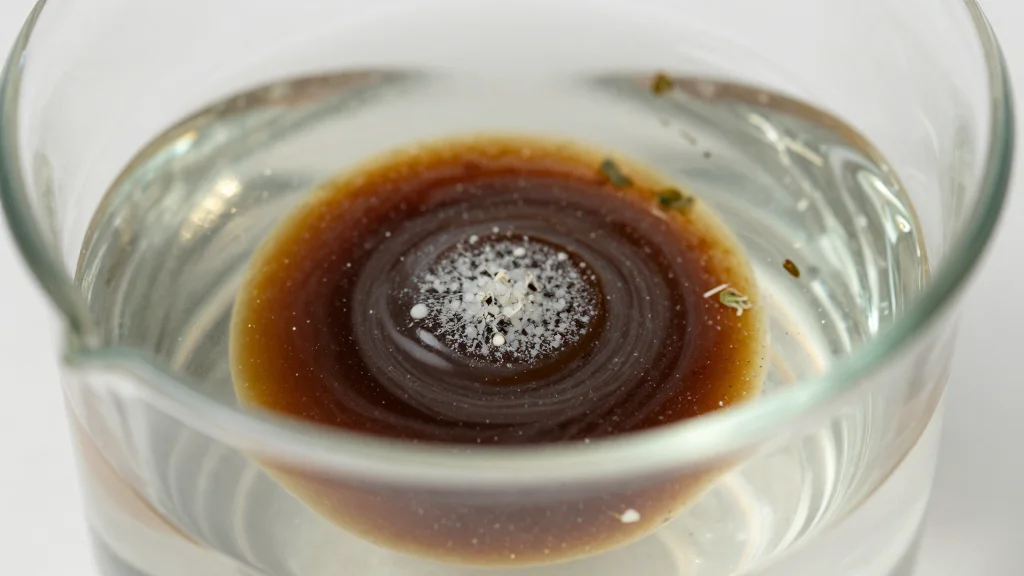
Microplastic contamination has become a pressing public‑health concern, prompting regulators to tighten standards for drinking‑water treatment. Conventional coagulants such as aluminum sulfate, while effective, leave residual toxicity and are not biodegradable, driving the search for greener solutions. Moringa oleifera, a fast‑growing tropical tree known for its nutritional seeds, has emerged as a promising candidate because its saline extract can neutralize the negative charge on microplastic particles, enabling their aggregation and removal.
In a recent ACS Omega paper, ICT‑UNESP researchers conducted controlled jar‑tests using PVC microplastics—a polymer linked to mutagenic and carcinogenic risks. The Moringa extract achieved removal rates comparable to alum, and in higher‑pH water it outperformed the chemical benchmark. Scanning electron microscopy confirmed similar floc sizes and particle counts before and after treatment, indicating no loss in efficacy. The method integrates seamlessly with inline sand filtration, requiring minimal pre‑treatment and leveraging low‑tech equipment suitable for low‑turbidity sources.
The implications extend beyond laboratory success. For rural municipalities and small communities lacking sophisticated infrastructure, a locally sourced, biodegradable coagulant could dramatically lower operating costs while meeting stricter safety standards. Scaling the process will depend on consistent seed supply, standardized extraction protocols, and validation across diverse water chemistries. As field trials on Brazil’s Paraíba do Sul River progress, the water‑industry may soon see Moringa‑based coagulation transition from niche research to mainstream practice, reinforcing the shift toward sustainable water‑treatment technologies.
Common Asian plant in Brazil shows potential for removing microplastics from water
Comments
Want to join the conversation?
Loading comments...