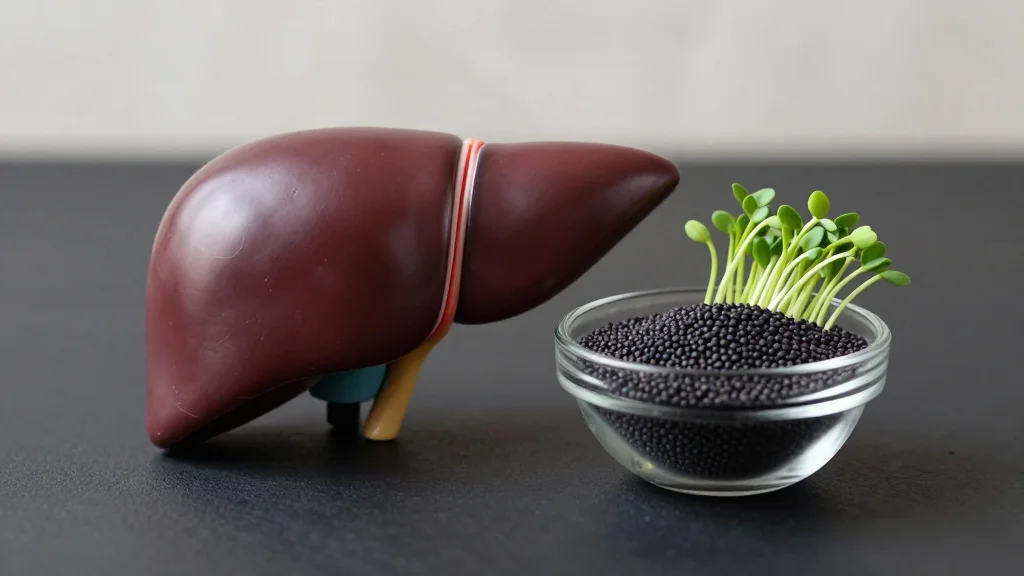
Comparative Assessment of Brassica Nigra Seed and Its Sprout Ethanolic Extracts Against Paracetamol-Induced Hepatotoxicity in Rats: Insight Into Antioxidant and Anti-Apoptotic Pathways
Why It Matters
The study highlights sprouted black mustard as a promising, plant‑based alternative for liver‑protective therapies, addressing the limited pharmacologic options for drug‑induced hepatotoxicity.
Key Takeaways
- •BN sprout extract outperformed seed extract in liver enzyme normalization
- •Sprouting increased phenolic content and antioxidant activity of Brassica nigra
- •Study used 500 mg/kg dose, comparable to 100 mg/kg silymarin
- •Findings support sprouted mustard as promising nutraceutical for liver health
Pulse Analysis
Paracetamol overdose remains a leading cause of acute liver failure, prompting the search for safe, effective hepatoprotective agents. While synthetic drugs offer limited protection, phytochemicals from cruciferous vegetables have long been recognized for their antioxidant and anti‑inflammatory properties. In this context, Brassica nigra, commonly known as black mustard, contains sinigrin‑derived allyl isothiocyanate, a compound with potent free‑radical scavenging activity. By extracting these bioactives with ethanol, researchers can harness their therapeutic potential in a controlled dosage.
Sprouting dramatically reshapes the nutritional profile of seeds, breaking down complex macromolecules and amplifying the availability of phenolics, glucosinolates, and flavonoids. The study demonstrated that sprouted B. nigra extracts possessed higher total phenol content and superior DPPH radical inhibition compared with seed extracts. This biochemical boost translated into pronounced biological effects: enhanced catalase, superoxide‑dismutase and glutathione‑peroxidase activities, reduced malondialdehyde levels, and lower cytokeratin‑18 apoptosis markers in rats subjected to a 3 g/kg paracetamol insult. Such findings underscore the value of sprouting as a low‑cost, scalable method to elevate plant‑derived hepatoprotective compounds.
The implications for the nutraceutical and functional‑food sectors are significant. A sprout‑based supplement could complement existing liver‑support regimens, offering a natural alternative to synthetic antioxidants. Moreover, the comparable efficacy to silymarin—a benchmark hepatoprotective agent—positions black‑mustard sprouts as a candidate for further clinical trials. As consumer demand for evidence‑backed, plant‑derived health solutions grows, integrating sprouted Brassica nigra into dietary strategies may help mitigate drug‑induced liver injury and support broader hepatic wellness initiatives.
Comparative assessment of Brassica nigra seed and its sprout ethanolic extracts against paracetamol-induced hepatotoxicity in rats: insight into antioxidant and anti-apoptotic pathways
Comments
Want to join the conversation?
Loading comments...