'Compelling' Study Shows Promise of New Pulmonary Embolectomy System
Companies Mentioned
Why It Matters
The data demonstrate that a catheter‑based embolectomy can rapidly restore right‑heart function with minimal complications, potentially reshaping the standard of care for intermediate‑risk pulmonary embolism and reducing reliance on systemic thrombolysis.
Key Takeaways
- •Vertex system cut RV/LV ratio by 0.39 in 48 hours
- •Major adverse events occurred in 2.4% of participants
- •Technical success reached 100% without adjunctive thrombolytics
- •Mean procedure time 40.2 minutes; 83% avoided valve re‑crossing
- •Pulmonary artery pressures dropped roughly 29% after thrombectomy
Pulse Analysis
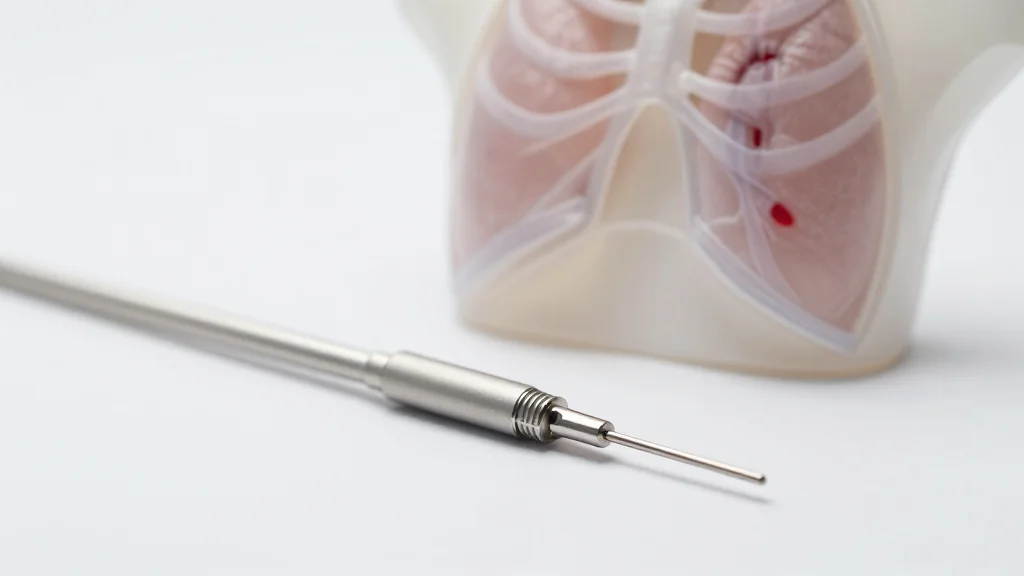
The SPIRARE II trial arrives at a pivotal moment for pulmonary embolism treatment, as clinicians grapple with balancing rapid clot removal against the risks of systemic thrombolysis. By leveraging a flexible yet stable catheter that navigates the right heart and anchors within pulmonary arteries, the Vertex system minimizes cardiac strain while delivering precise mechanical extraction. This design addresses a longstanding limitation—unstable vessel access—that has hampered consistent hemodynamic recovery in prior devices, positioning the system as a compelling alternative for intermediate‑risk PE patients.
Beyond the procedural mechanics, the trial’s hemodynamic outcomes underscore the clinical relevance of right‑ventricle unloading. A 0.39 reduction in the RV/LV ratio and near‑30% drops in both mean and systolic pulmonary artery pressures translate into tangible improvements in cardiac output and patient stability. Such changes are especially significant given that over half of the cohort presented with normotensive shock, a subgroup traditionally associated with high mortality. The low 2.4% major adverse event rate further validates the safety profile, suggesting that aggressive mechanical thrombectomy can be performed without the bleeding complications that often accompany thrombolytic therapy.
Looking ahead, the Vertex system could influence guideline recommendations and hospital protocols, encouraging earlier adoption of catheter‑based strategies in PE management pathways. Its 100% technical success without adjunctive thrombolytics may reduce overall treatment costs by shortening intensive care stays and limiting the need for additional pharmacologic agents. As post‑hoc analyses explore the relationship between vessel access precision and long‑term functional recovery, the device may set a new benchmark for procedural efficiency and patient outcomes in the evolving landscape of interventional cardiology.
'Compelling' study shows promise of new pulmonary embolectomy system
Comments
Want to join the conversation?
Loading comments...