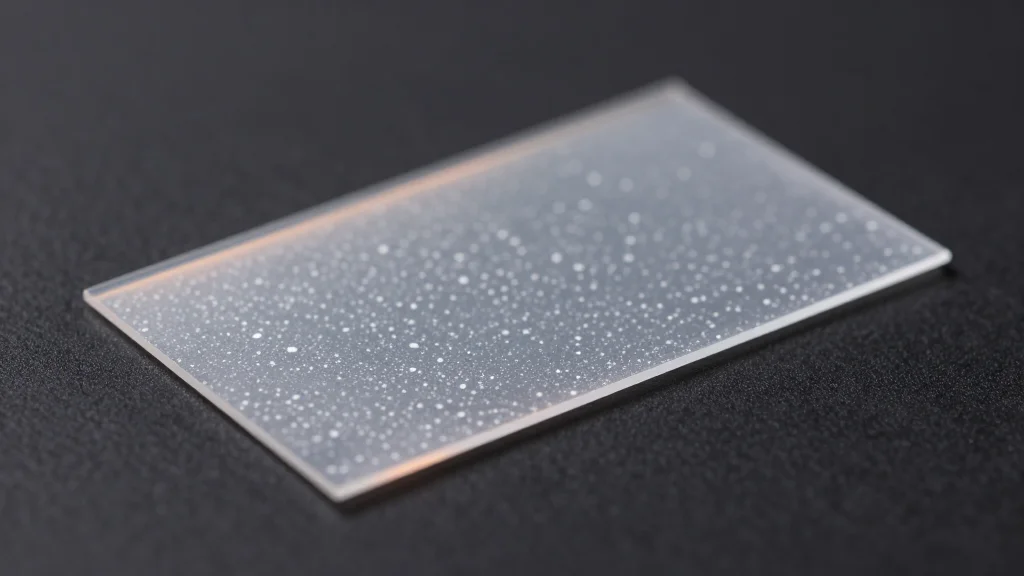
Composite Separator with Superior Thermal Shrinkage Resistance for the Safety of Lithium Metal Batteries
Why It Matters
By eliminating thermal shrinkage and adding shutdown functionality, the separator directly mitigates thermal‑runaway risk, a critical barrier to widespread lithium‑metal battery adoption.
Key Takeaways
- •Al2O3-coated separator uses lithium polysilicate binder for high‑temp stability
- •Near‑zero thermal shrinkage observed at 200 °C, improving safety margin
- •Enables thermal shutdown and acid impurity scavenging during overheating
- •Li|LSO‑Al2O3@PE|LiFePO4 cells retain 70% capacity after 1,000 cycles
- •Commercial polyolefin separators can be upgraded with inorganic binder technology
Pulse Analysis
The rapid rise of lithium‑metal batteries promises energy densities far beyond conventional lithium‑ion chemistries, but safety remains a bottleneck. Thermal runaway, triggered by internal short circuits or external heating, can cause catastrophic failure, and the separator is the first line of defense. Conventional polyolefin separators soften and shrink above 150 °C, losing mechanical integrity and allowing electrode contact. Researchers therefore focus on materials that retain dimensional stability at high temperatures while still permitting ion transport. A separator that can withstand 200 °C without shrinkage could dramatically raise the safety ceiling for next‑generation cells.
The new composite separator, designated LSO‑Al2O3@PE, replaces the typical organic binder with lithium polysilicate (LSO), an inorganic polymer that hardens through dehydration‑condensation at elevated temperatures. Coating Al2O3 particles with LSO creates a rigid network that adheres strongly to the polyethylene backbone, delivering virtually zero shrinkage at 200 °C. In addition to dimensional stability, the LSO matrix scavenges acidic impurities generated during electrolyte decomposition, while the Al2O3 layer provides a rapid thermal shutdown mechanism by closing pores when temperatures exceed a threshold. This dual‑function design addresses both mechanical and chemical failure modes that have plagued earlier separator technologies.
Electrochemical testing confirms the practical impact of the material. Li|LSO‑Al2O3@PE|LiFePO4 cells retain 70 % of their initial capacity after 1,000 cycles, while Li|LSO‑Al2O3@PE|LiNi0.8Co0.1Mn0.1O2 cells preserve 81 % after 200 cycles—metrics that surpass many commercial polyolefin separators. By delivering reliable performance under aggressive cycling and high‑temperature conditions, the separator could enable safer deployment of lithium‑metal batteries in electric vehicles, aerospace, and grid‑scale storage. Industry adoption would likely accelerate standards revisions, prompting manufacturers to integrate inorganic binders as a cost‑effective route to next‑generation safety.
Composite Separator with Superior Thermal Shrinkage Resistance for the Safety of Lithium Metal Batteries
Comments
Want to join the conversation?
Loading comments...