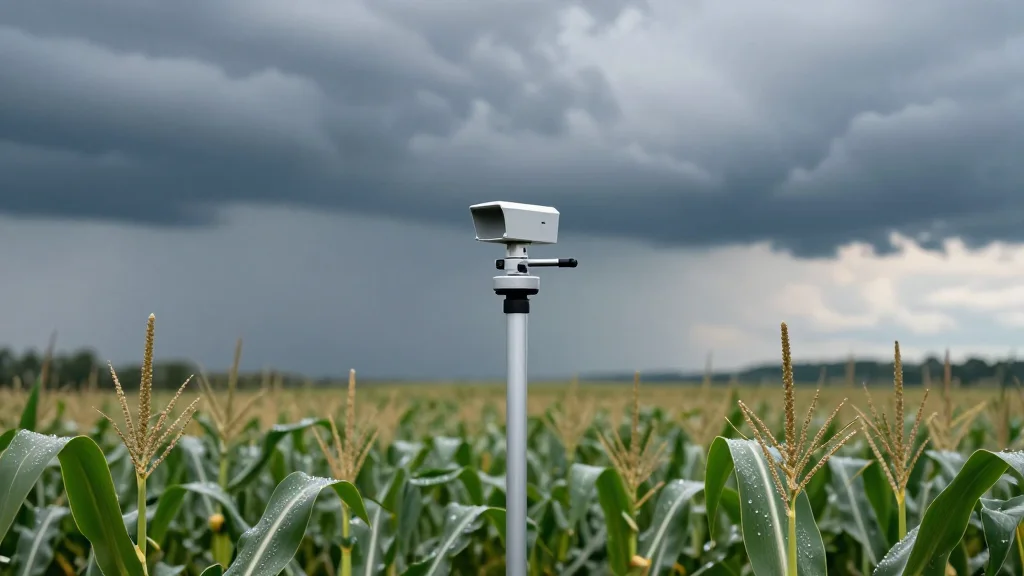
Confidence in Transition to El Nino Weather Pattern Climbing
Why It Matters
An El Niño onset can boost Midwestern corn yields, influencing commodity prices and farm planning, making early forecasts critical for market participants.
Key Takeaways
- •El Niño probability reaches 75‑80% for May‑July.
- •Transition could begin as early as next month.
- •Expected wetter, cooler summer across Midwest.
- •Moderate‑strong El Niño historically boosts corn yields.
- •Strength of upcoming El Niño remains uncertain.
Pulse Analysis
The latest suite of coupled ocean‑atmosphere models shows a sharp rise in the probability of an El Niño developing by early summer, with Aura Commodities’ meteorologist Xander Lowry citing a 75‑80 % chance for the May‑July window. The signal stems from unusually warm sea‑surface temperatures in the central Pacific, a classic precursor that has been trending upward since the March outlook. While the timing appears imminent—potentially as soon as next month—the models diverge on the eventual intensity, leaving analysts to hedge against a range of outcomes.
Historically, a moderate to strong El Niño has delivered above‑average moisture and cooler temperatures across the U.S. Corn Belt, conditions that favor higher corn and soybean yields. The 1997 and 2015 events are often cited as benchmarks; both produced near‑record harvests after delivering steady rainfall during critical growth stages. Lowry notes that the 2023 El Niño, though less intense, still provided sufficient moisture to keep yields on trend. If the upcoming episode mirrors those past patterns, Midwest producers could see yield premiums, while risk‑averse growers may adjust planting schedules to capitalize on the expected climate swing.
From a market perspective, the heightened El Niño confidence is already influencing grain futures and weather‑derivative pricing. Traders are pricing in a modest upside for corn and soybean spreads, reflecting the anticipated yield boost, while also hedging against the possibility of a weaker-than‑expected event that could tighten supplies. For agribusinesses, the forecast underscores the importance of flexible input strategies, such as variable‑rate irrigation and seed selection tailored to cooler, wetter conditions. Continuous monitoring of Pacific Ocean indices will be crucial as the season unfolds, allowing stakeholders to fine‑tune risk‑management tactics.
Confidence in transition to El Nino weather pattern climbing
Comments
Want to join the conversation?
Loading comments...