Connecting Tissue Physical Changes to What Developing Cells Become
Why It Matters
The work shows mechanical cues are as essential as genetic programs in embryogenesis, opening new avenues for regenerative medicine and offering insight into diseases such as cancer where tissue stiffness drives progression.
Key Takeaways
- •Cell‑cell adhesion, not density, drives embryo tissue rigidity
- •Increased adhesion converts fluid‑like tissue to solid‑like state
- •Rigid tissue traps Nodal morphogen, sharpening developmental gradients
- •Mechanical‑biochemical feedback loops coordinate cell fate in zebrafish
Pulse Analysis
Mechanobiology has moved from a niche curiosity to a central pillar of developmental science. While genetics provides the blueprint, the physical state of a tissue—its stiffness or fluidity—determines how that blueprint is read. Prior work linked extracellular matrix rigidity to stem‑cell differentiation, but the precise mechanisms by which embryonic tissues modulate their own mechanical properties remained unclear. The Petridou group’s integration of theoretical modeling, live‑cell microscopy, and optogenetic manipulation now clarifies how cell‑cell adhesion molecules act as tunable springs, converting a pliable cell mass into a solid‑like scaffold at precise developmental windows.
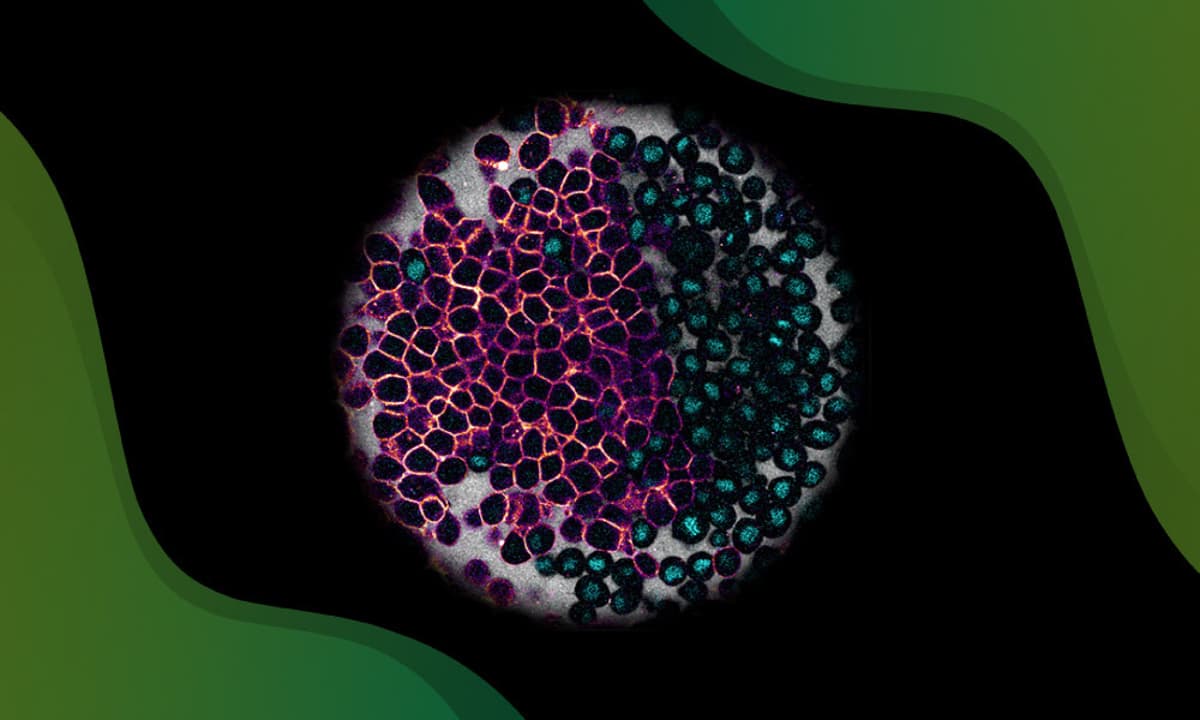
In zebrafish embryos, the researchers isolated adhesion from cell density and discovered that boosting adhesion alone induces large fluid‑filled lumens and polarizes the lining cells, a hallmark of early epithelial organization. This mechanical transition also creates a physical barrier that sequesters the Nodal morphogen, a key signal for mesoderm and endoderm patterning. By limiting Nodal’s diffusion range, the stiffened tissue sharpens concentration gradients, ensuring that cells receive the correct positional cues. The study further uncovers a feedback loop: Nodal signaling can up‑regulate adhesion proteins, reinforcing local rigidity and stabilizing tissue domains.
These insights have far‑reaching implications. In cancer, increased tissue stiffness promotes metastasis by altering growth‑factor gradients, mirroring the embryonic mechanisms described here. Understanding how adhesion‑driven rigidity shapes signal landscapes could inform biomaterial design for organoids and tissue‑engineered grafts, where precise spatial cues are essential. Moreover, the interdisciplinary approach—melding physics, biology, and computational modeling—sets a template for future investigations into how mechanical and biochemical networks co‑evolve during complex morphogenetic events. As the field advances, targeting tissue mechanics may become as routine as modulating gene expression in therapeutic strategies.
Connecting tissue physical changes to what developing cells become
Comments
Want to join the conversation?
Loading comments...