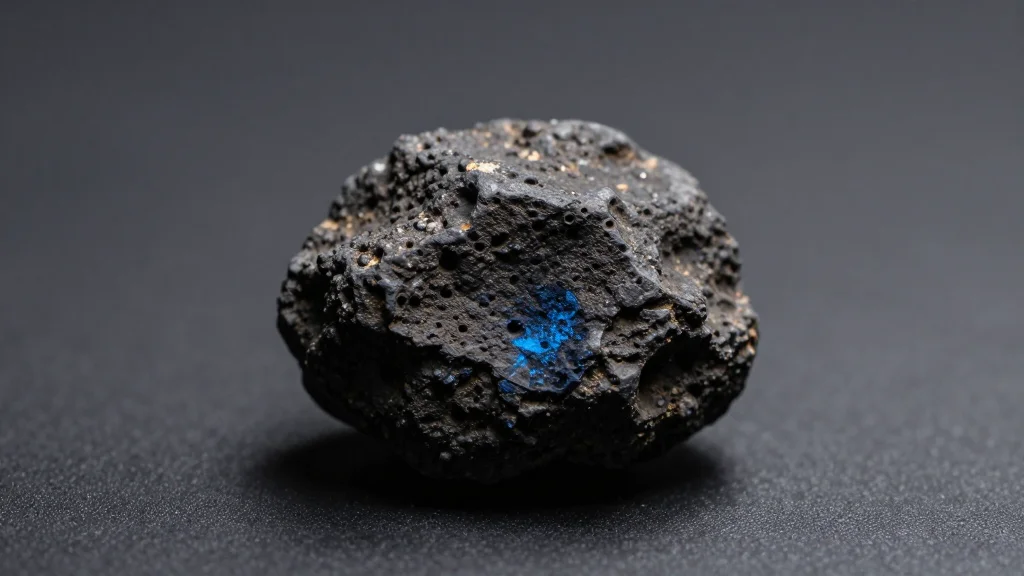
Contaminants, Including Ink, Detected in Meteorites Suggest Sample Preparation Needs Improving
Why It Matters
Contaminated meteorite samples can skew geochemical and astrobiological conclusions, undermining the credibility of planetary science findings. Improving preparation standards ensures more reliable data for both academic research and commercial space ventures.
Key Takeaways
- •Ink particles detected on meteorite surfaces during lab analysis
- •Contaminants likely introduced during sample handling and preparation
- •Current clean‑room protocols insufficient for ultra‑sensitive measurements
- •Revised procedures could prevent data distortion in future studies
- •Findings prompt industry‑wide review of meteoritic sample standards
Pulse Analysis
Meteorite research underpins our understanding of the early solar system, delivering clues about planetary formation and potential pre‑biotic chemistry. Because these rocks are rare and irreplaceable, scientists treat them as high‑value samples, often subjecting them to meticulous cleaning and handling in controlled environments. However, recent laboratory investigations have uncovered that even well‑intentioned preparation steps can introduce foreign materials, compromising the very data researchers aim to protect.
In a recent study, investigators employed scanning electron microscopy and Raman spectroscopy to scan a suite of meteorite fragments. The analyses revealed trace amounts of ink, polymer residues, and other organic contaminants embedded within surface layers. These substances are not of extraterrestrial origin; instead, they likely stem from ink‑marked labels, adhesive tapes, or even microscopic particles from laboratory air. The presence of such contaminants can alter isotopic ratios and mineralogical readings, leading to erroneous interpretations about the meteorite's composition and history.
The discovery has sparked a call to action across the planetary science community and commercial space firms that rely on pristine samples for research and resource assessment. Experts recommend adopting stricter clean‑room standards, using inert handling tools, and implementing contamination‑tracking protocols similar to those used in semiconductor manufacturing. By tightening these procedures, future missions—whether sample‑return from asteroids or lunar mining operations—can ensure that the scientific value of extraterrestrial material remains uncompromised, bolstering confidence in the data that drives both academic insight and emerging space‑industry investments.
Contaminants, Including Ink, Detected in Meteorites Suggest Sample Preparation Needs Improving
Comments
Want to join the conversation?
Loading comments...