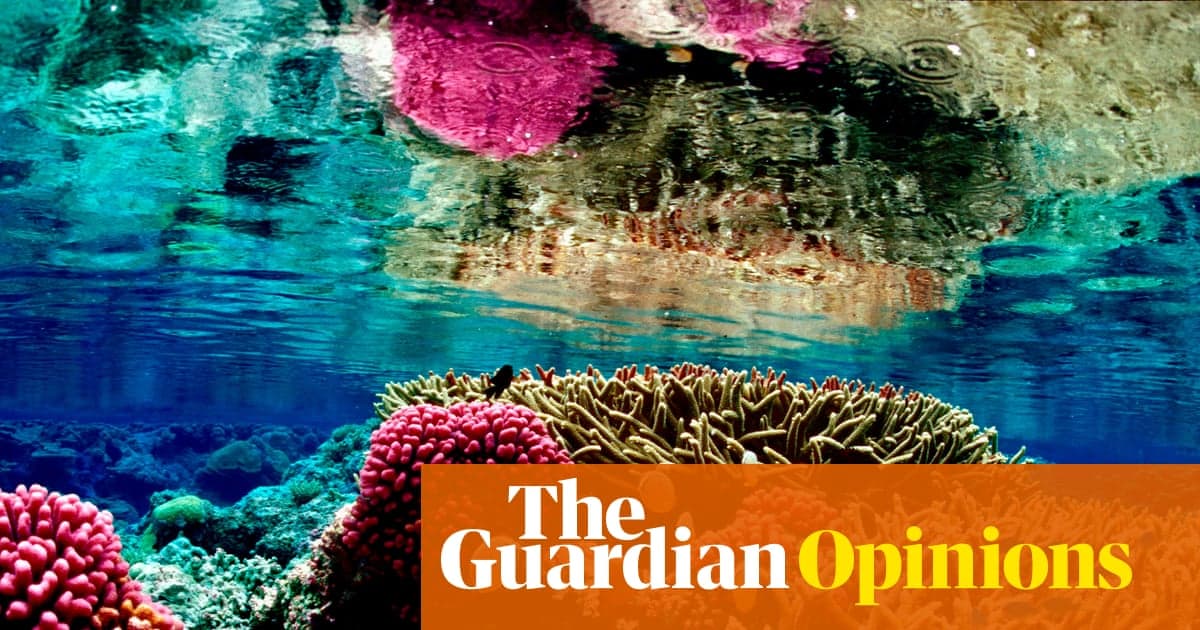
Coral Reefs Are Nearing Extinction. 2026 Must Mark a Turning Point | Jason Momoa
Why It Matters
Reef loss would erode natural storm buffers, undermine fisheries, and jeopardise economies of island and coastal nations that depend on marine tourism and food security.
Key Takeaways
- •90% of reefs risk loss at 1.5 °C warming.
- •33‑month bleaching event ended 2025, worst on record.
- •Plastic, runoff, overfishing compound climate threats to reefs.
- •Global Coral Reef Summit and regional meetings slated for 2026.
- •UNEP advocates financing reef‑positive projects to aid coastal communities.
Pulse Analysis
The urgency surrounding coral reefs has escalated from a conservation concern to a macro‑economic risk. Recent research confirms that a 1.5 °C temperature rise could wipe out nine‑tenths of global reef systems, stripping coastlines of natural breakwaters that mitigate storm surge and erosion. This loss would ripple through tourism, fisheries, and even real‑estate markets, especially in vulnerable island economies. By framing reefs as critical infrastructure, policymakers can justify larger climate‑adaptation budgets and integrate marine protection into broader resilience strategies.
Financing mechanisms are emerging as a linchpin for reef recovery. The Global Fund for Coral Reefs, backed by UNEP, is channeling targeted investments into community‑driven restoration, sustainable aquaculture, and plastic‑capture technologies. Early pilots in French Polynesia demonstrate that modest capital infusions can generate alternative livelihoods while reducing destructive practices. Scaling these models requires blended finance—combining public grants, private impact funds, and green bonds—to de‑risk projects and attract institutional investors seeking measurable environmental returns.
Political momentum is coalescing around the 2026 Global Coral Reef Summit, where nations from Kenya to New Zealand will negotiate binding commitments on marine pollution, coastal development, and climate mitigation. The summit aims to translate scientific warnings into enforceable policies, such as stricter plastic bans and reef‑positive certification for tourism operators. For businesses, aligning with these standards not only safeguards supply chains but also opens new market segments of environmentally conscious consumers. The convergence of science, finance, and policy in 2026 could therefore mark a decisive turning point for the world’s reefs, provided the global community moves from pledges to concrete action.
Coral reefs are nearing extinction. 2026 must mark a turning point | Jason Momoa
Comments
Want to join the conversation?
Loading comments...