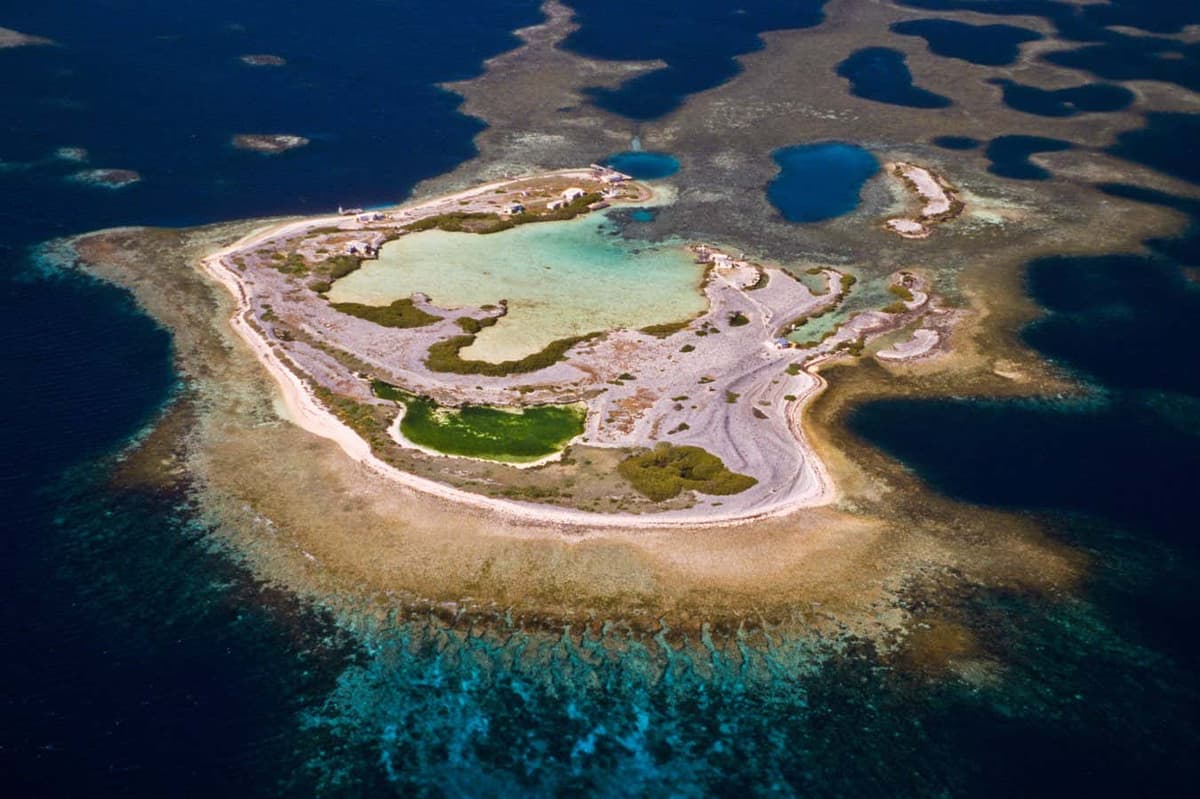
Coral Reefs on a Remote Archipelago Shrugged Off a Massive Heatwave
Why It Matters
The archipelago offers a living model of heat‑resilient corals, providing critical genetic and symbiotic insights for worldwide reef conservation and climate‑adaptation strategies.
Key Takeaways
- •Houtman Abrolhos reefs endured 22 °C‑weeks without major bleaching.
- •Survival at 8 °C‑weeks was twice global average; 16 °C‑weeks near 100%.
- •Heat tolerance seen across multiple species, implying symbiotic algae involvement.
- •Scientists will probe genetic and algal factors driving extreme resilience.
- •Results may steer selective breeding and reef‑seeding to combat future heatwaves.
Pulse Analysis
The early months of 2025 saw unprecedented marine heatwaves that pushed coral reefs worldwide toward catastrophic bleaching. At Ningaloo Reef, up to 60 % of colonies perished, and similar losses were reported across the Indo‑Pacific and Caribbean. In stark contrast, the Houtman Abrolhos archipelago off Western Australia emerged virtually unscathed. Despite accumulating 22 °C‑weeks of heat stress—well beyond the 8 °C‑week threshold that typically triggers mass mortality—the reefs showed only isolated, minor stress patches.
This anomaly has drawn immediate scientific attention. University of Western Australia marine biologists surveyed eleven sites in July 2025 and brought representative colonies into controlled laboratory tanks. When exposed to the conventional 8 °C‑week bleaching benchmark, the Houtman Abrolhos specimens exhibited twice the survival rate of comparable reefs and four times less bleaching. Remarkably, survival remained near‑100 % even at 16 °C‑weeks, a level that would decimate most coral communities. The researchers suspect that a unique consortium of heat‑tolerant algal symbionts, combined with localized environmental drivers such as nutrient fluxes and water flow, underpins this resilience.
These findings position the Houtman Abrolhos reefs as natural laboratories for developing climate‑adapted restoration techniques. By isolating the genetic signatures of tolerant corals and their symbionts, scientists can accelerate selective breeding programs and create heat‑resilient seed stock for outplanting on vulnerable reefs such as the Great Barrier Reef. Policymakers are urged to prioritize protection of these high‑tolerance sites while global emissions reductions remain the overarching solution. Continued monitoring and comparative studies will be essential to translate this localized resilience into a scalable strategy against future ocean warming.
Coral reefs on a remote archipelago shrugged off a massive heatwave
Comments
Want to join the conversation?
Loading comments...