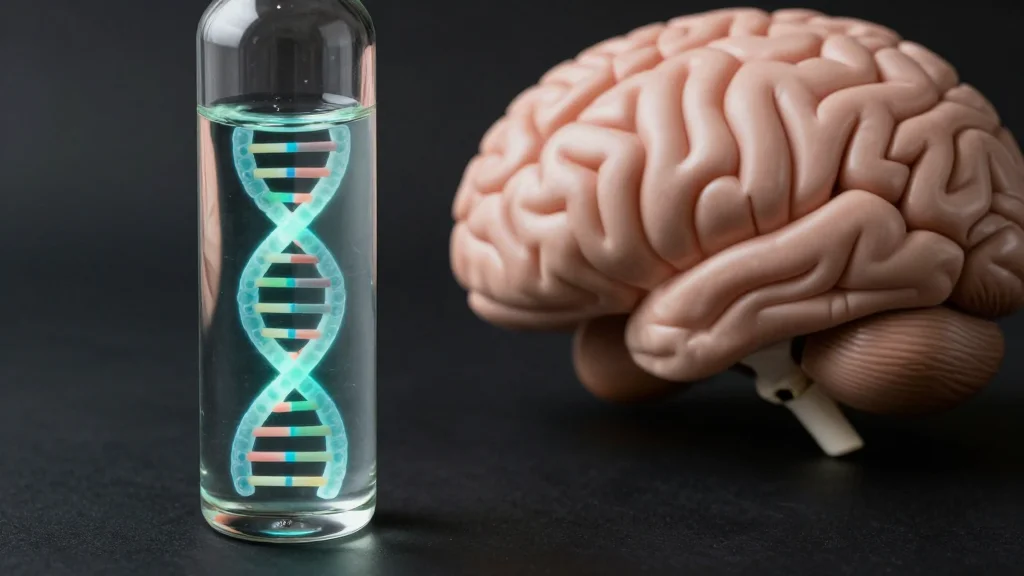
Correction: A Genome-Wide Investigation of Depression Among Individuals with and without Irritability
Why It Matters
Understanding how irritability influences depression genetics refines risk prediction and may guide more personalized therapeutic strategies, impacting both research and clinical practice.
Key Takeaways
- •Irritability subgroup shows unique genetic loci beyond classic depression markers
- •Shared risk variants suggest common biological pathways across depressive phenotypes
- •Corrected effect sizes improve reliability for downstream polygenic risk scores
- •Findings support stratified treatment approaches based on irritability status
- •Study reinforces need for phenotype‑specific GWAS in psychiatric research
Pulse Analysis
The corrected GWAS underscores a growing consensus that depression is not a monolithic disorder. By dissecting the cohort into individuals with and without irritability, researchers uncovered both overlapping and distinct genetic signals. Shared loci point to core neurobiological mechanisms—such as synaptic plasticity and stress response pathways—while irritability‑specific variants implicate genes involved in emotional regulation and aggression. This nuanced view aligns with precision‑medicine goals, where genetic insights can inform risk stratification and early intervention.
From a clinical perspective, the study’s refined effect sizes enhance the accuracy of polygenic risk scores (PRS) used to predict depressive episodes. Clinicians could eventually incorporate irritability‑adjusted PRS into screening tools, identifying patients who may benefit from targeted therapies, such as mood stabilizers or cognitive‑behavioral interventions focused on irritability management. Moreover, pharmaceutical pipelines might prioritize compounds that modulate the newly identified irritability‑linked pathways, potentially yielding treatments with higher efficacy for this subgroup.
The correction also highlights methodological rigor in psychiatric genomics. Accurate reporting of statistical thresholds and effect estimates is crucial for reproducibility and meta‑analysis. As large biobanks expand, phenotype‑specific analyses—like the irritability split—will become standard practice, driving deeper insights into the heterogeneity of mental health disorders. Stakeholders, from researchers to healthcare providers, should monitor these developments, as they promise to reshape diagnostic criteria, therapeutic decision‑making, and ultimately, patient outcomes.
Correction: A genome-wide investigation of depression among individuals with and without irritability
Comments
Want to join the conversation?
Loading comments...