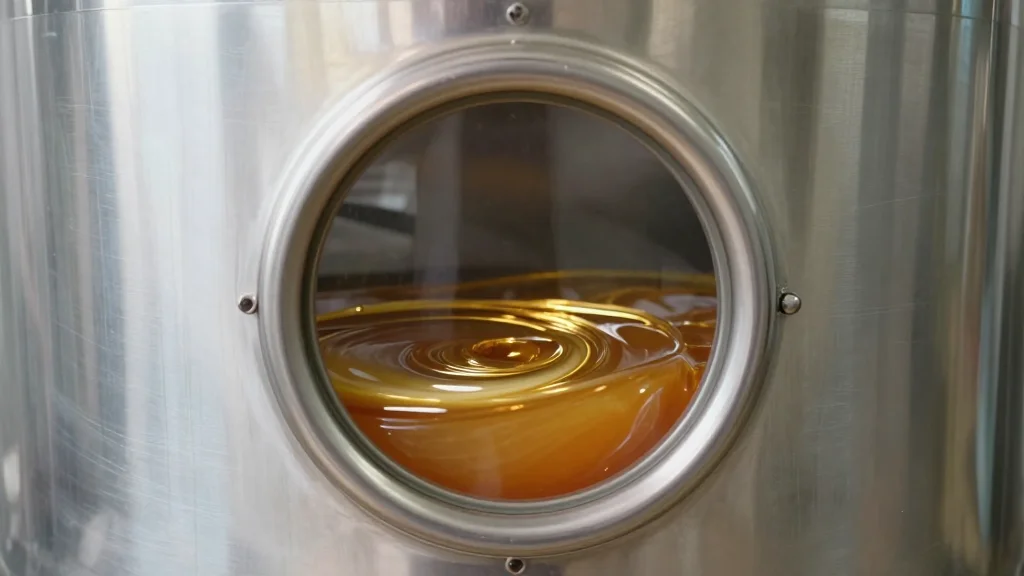
Cosmetics From Waste? Microbial Discovery Unlocks Greener Route to High-Value Chemical Products
Why It Matters
The discovery paves the way for a low‑cost, waste‑driven route to sustainable MCCAs, reducing reliance on environmentally damaging palm oil and opening new revenue streams for circular‑economy producers.
Key Takeaways
- •Chain‑elongating bacteria can turn food waste into high‑value MCFAs
- •Lactate‑acetate ratio determines octanoic acid vs. butyrate production
- •Unique CoA transferase enables synthesis of eight‑carbon fatty acids
- •Fermentation avoids palm kernel oil, cutting deforestation risk
- •Genetic tools aim to extend MCFA chain length to 12 carbons
Pulse Analysis
The global demand for medium‑chain carboxylic acids (MCCAs) has surged as manufacturers seek renewable feedstocks for cosmetics, surfactants and animal nutrition. Traditionally sourced from palm‑kernel oil, these acids carry a heavy environmental footprint tied to deforestation and supply‑chain opacity. Converting low‑value organic waste into MCCAs via microbial fermentation offers a compelling alternative that aligns with ESG goals and could capture a share of the $3 billion market while lowering raw‑material costs.
The University of Toronto team’s breakthrough hinges on two biochemical levers. First, the balance of lactate and acetate supplied to chain‑elongating bacteria (CEBs) steers the metabolic pathway toward longer‑chain acids like octanoic acid rather than the shorter, less valuable butyrate. Second, a specialized CoA transferase enzyme in certain CEB strains can process six‑ and eight‑carbon intermediates, unlocking the synthesis of higher‑value fatty acids. By mapping these mechanisms, the researchers provide a predictive framework that can be engineered into industrial strains, reducing trial‑and‑error and accelerating process optimization.
Commercialization prospects are now moving from lab to pilot scale. Ongoing work includes plasmid‑based genetic tools to broaden the carbon chain range up to twelve carbons and the design of integrated bioreactors that harvest acids directly from municipal green‑bin and dairy waste streams. If scaled successfully, the technology promises a cost‑competitive, carbon‑light alternative to palm‑derived MCCAs, appealing to brands demanding ethically sourced ingredients and to investors eyeing the next wave of circular‑economy chemistry.
Cosmetics from waste? Microbial discovery unlocks greener route to high-value chemical products
Comments
Want to join the conversation?
Loading comments...