Could Microscopic Spheres of Silica Help Cool the Planet?
Companies Mentioned
Why It Matters
If proven viable, silica‑based stratospheric particles could offer a rapid, tunable tool to offset warming, but their private‑driven development raises urgent governance and safety questions for climate policy.
Key Takeaways
- •Stardust Solutions develops silica microspheres for stratospheric solar reflection
- •Particles aim to reflect sunlight without depleting ozone layer
- •Private investors fund research, raising governance and safety concerns
- •Deployment timeline uncertain; large-scale testing may face regulatory hurdles
Pulse Analysis
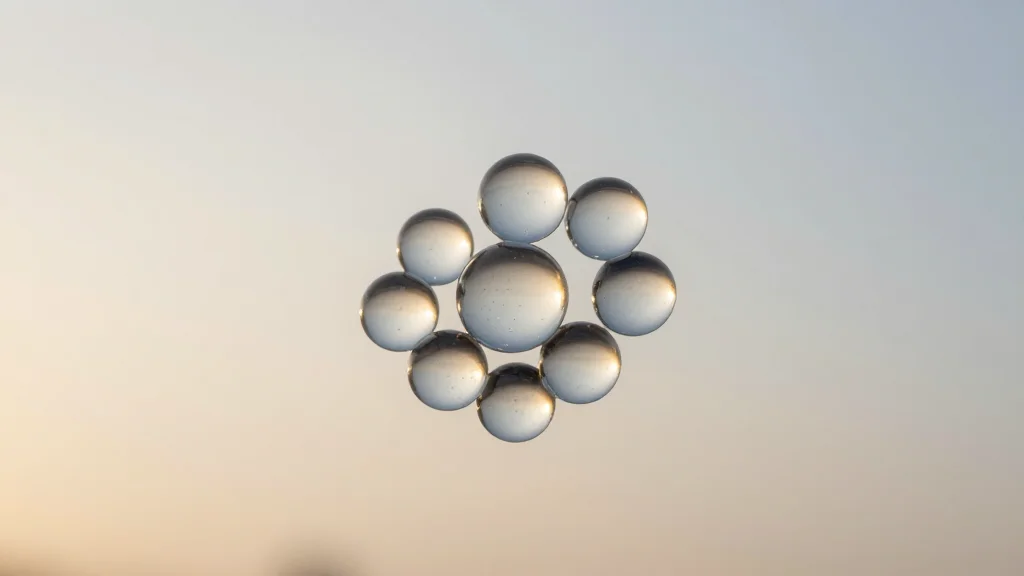
Solar geoengineering has long hovered on the fringe of climate mitigation, with the most studied approach—stratospheric aerosol injection—relying on sulfur compounds that mimic volcanic eruptions. While effective at scattering sunlight, sulfur particles can damage the ozone layer and alter precipitation patterns, prompting scientists to search for safer alternatives. Silica microspheres, the focus of Stardust Solutions, promise a higher reflectivity-to-mass ratio and inert chemistry, potentially delivering the cooling effect without the same atmospheric side effects. Their nanometer‑scale design also allows for precise control over particle size, influencing how long they linger aloft and how efficiently they bounce solar radiation back to space.
The startup’s claim of a proprietary coating that enhances scattering while resisting aggregation could address two persistent technical hurdles: maintaining particle stability in the harsh stratospheric environment and preventing rapid fallout that would diminish climate impact. Early laboratory tests suggest the spheres can remain suspended for months, a critical factor for achieving a measurable temperature dip. However, scaling production to the billions of kilograms required for global deployment poses engineering and cost challenges, and the environmental fate of silica particles after descent remains under‑studied.
What sets this effort apart is the influx of private capital, which accelerates research but sidesteps the public deliberation typically associated with climate interventions. Investors see a potential market for climate‑risk mitigation services, yet the lack of transparent governance frameworks raises red flags about accountability, equity, and geopolitical misuse. International bodies such as the UN Framework Convention on Climate Change have yet to codify rules for commercial stratospheric seeding, leaving a regulatory vacuum. As the science matures, policymakers will need to balance the allure of a rapid cooling lever against the imperative for robust oversight, ensuring any deployment aligns with broader climate goals and public trust.
Could microscopic spheres of silica help cool the planet?
Comments
Want to join the conversation?
Loading comments...