Why It Matters
Demonstrating that cows recognize individual humans opens pathways to improve animal welfare and farm management by tailoring human‑cattle interactions, potentially boosting productivity and ethical standards.
Key Takeaways
- •Cows prefer looking at unfamiliar human faces in silent videos.
- •They match a known handler’s voice to the corresponding face.
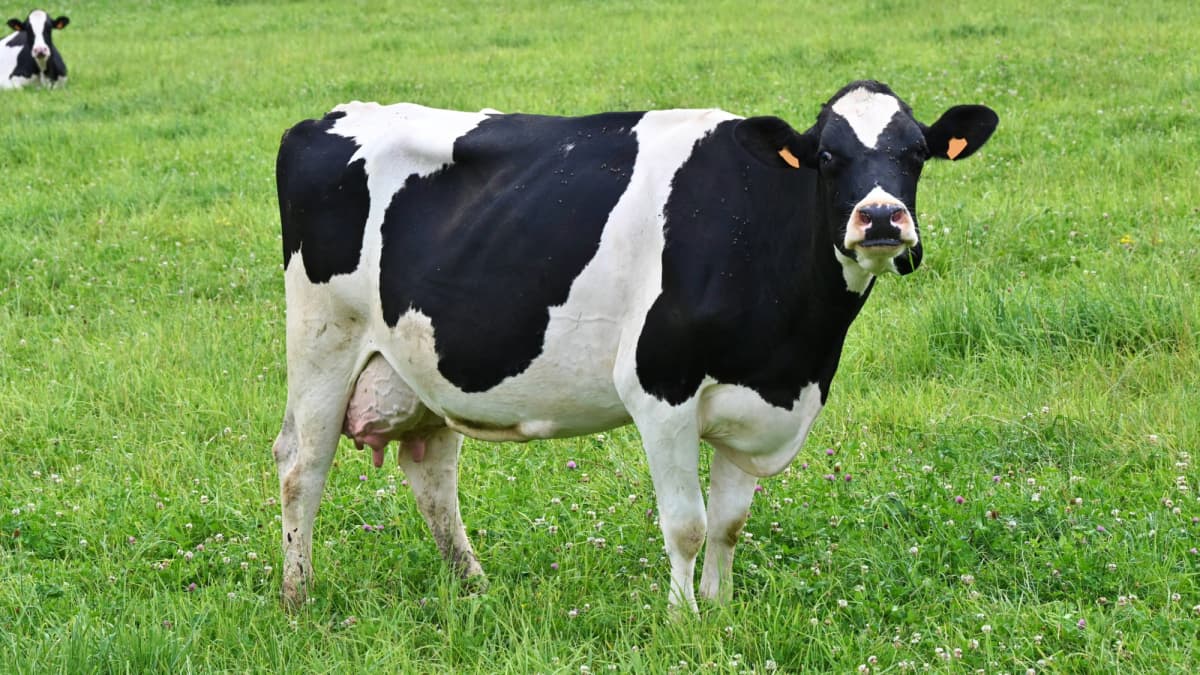
- •Study used 32 Prim’Holstein dairy cows, France’s most common breed.
- •No significant heart‑rate change observed with familiar vs unfamiliar voices.
- •Findings suggest cross‑modal recognition abilities in domestic cattle.
Pulse Analysis
The perception of intelligence in livestock has long been eclipsed by stereotypes of bovine simplicity. Recent anecdotes, such as Veronika the Austrian cow using a broom to scratch her back, have sparked scientific curiosity about cow cognition. Researchers now recognize that domestic cattle are highly social and capable of complex behaviors, traits that align with broader definitions of animal intelligence. By probing how cows process human cues, scientists can reassess the mental lives of animals that supply the global food chain. Understanding bovine cognition also informs ethical debates about livestock treatment.
The new PLOS One study examined 32 Prim’Holstein cows, France’s leading dairy breed, using a dual‑screen setup that displayed videos of familiar and unfamiliar human faces. In silent trials, the animals stared longer at unknown faces, indicating visual discrimination. When audio was added, the cows spent more time watching the video whose voice matched the face, demonstrating cross‑modal recognition—a cognitive ability previously documented only in select species such as primates and big cats. Heart‑rate data showed no emotional arousal difference, suggesting the response was perceptual rather than affective. The methodology mirrors protocols used in primate research, underscoring its rigor.
These findings have practical implications for dairy management and animal welfare. If cows can identify individual handlers, farmers could tailor interactions to reduce stress, potentially improving milk yield and health outcomes. Moreover, recognizing cross‑modal abilities opens avenues for enrichment programs that engage both visual and auditory senses, fostering mental stimulation. Future research may explore real‑world interactions, such as how cows respond to specific caretakers during milking or veterinary procedures, further bridging the gap between scientific insight and everyday farm practices. Such insights could eventually shape certification standards for humane dairy production.
Cows can tell humans apart, new study finds
Comments
Want to join the conversation?
Loading comments...