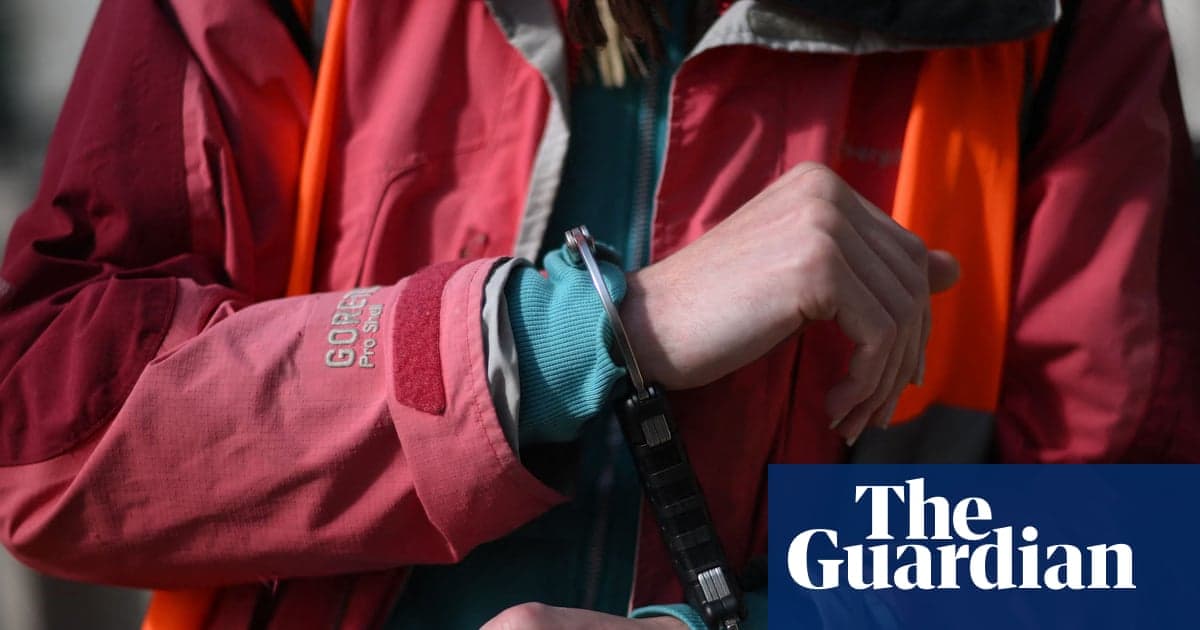
Criminalisation of Climate Protesters in UK Is Counterproductive, Research Finds
Why It Matters
The findings suggest that punitive approaches may backfire, prompting more radical and covert climate activism and forcing governments to rethink protest‑management strategies.
Key Takeaways
- •Arrests rose to 17% of UK climate protests (2019‑2024).
- •Repressed activists reported lower fear and higher intent to disrupt.
- •Those fearing repression showed weakened future protest intentions.
- •Study links repression to rise in covert sabotage tactics.
- •UK review may reshape public order laws amid climate crisis.
Pulse Analysis
The United Kingdom has intensified its crackdown on climate demonstrations, with 17% of protests between 2019 and 2024 resulting in arrests – more than double the 6.3% international average. High‑profile cases, including four‑year jail terms for motorway blockades, have drawn criticism from UN human‑rights officials who argue that punitive measures clash with declared climate commitments. This heightened enforcement backdrop sets the stage for the new research that quantifies the backlash against repression.
Surveying 1,375 members of an Extinction Rebellion mailing list, researchers at the University of St Andrews uncovered a nuanced emotional landscape. Activists who experienced arrests, fines or surveillance reported a marked decline in fear and a surge in willingness to repeat disruptive tactics. Conversely, those who merely anticipated repression fell into two camps: anger‑driven participants who felt more compelled to act, and fearful individuals whose protest intentions waned. The study also flags a shift toward covert sabotage, suggesting that repression may push some activists toward less visible, potentially more damaging forms of dissent.
For policymakers, the implications are clear: heavy‑handed legal responses risk amplifying the very threats they aim to contain. Ongoing reviews of public‑order and hate‑crime statutes could benefit from incorporating these behavioral insights, emphasizing dialogue and legitimate channels for climate advocacy. Aligning law enforcement with transparent, participatory climate policy may defuse radicalisation, preserve democratic protest rights, and ultimately support more constructive climate action across the UK.
Criminalisation of climate protesters in UK is counterproductive, research finds
Comments
Want to join the conversation?
Loading comments...