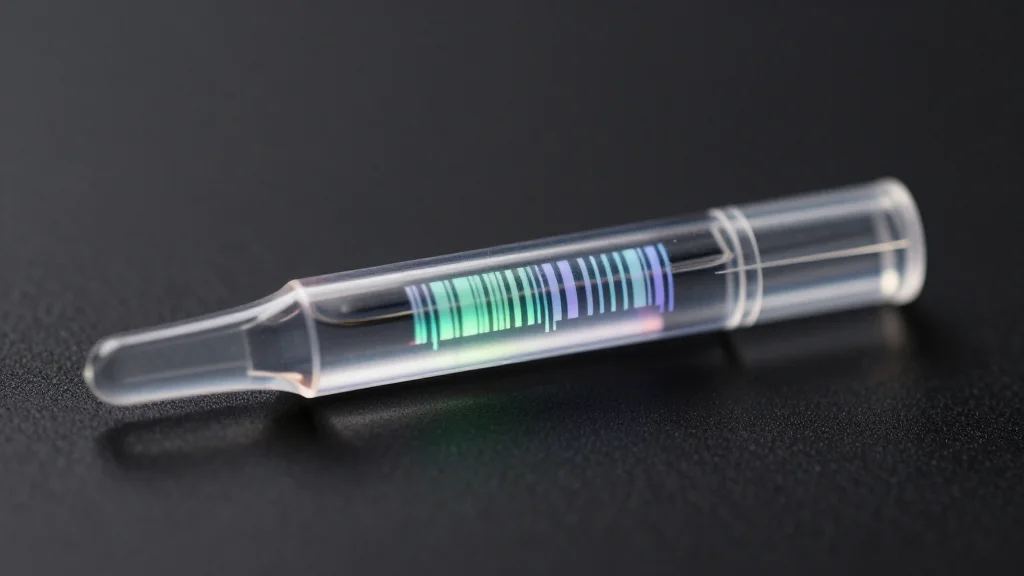
CRISPR Speed Patterns Can Identify Multiple Viruses and Variants Simultaneously
Why It Matters
The technology compresses multi‑pathogen testing into one assay, cutting cost and turnaround time while expanding point‑of‑care capabilities, a critical need as infectious disease threats multiply.
Key Takeaways
- •Kinetic barcoding reads Cas13 reaction speeds as diagnostic signatures
- •Single‑type Cas13 enzyme detects multiple viruses without reverse transcription
- •Guide RNA design tunes cutting speed for scalable multiplex detection
- •Clinical samples showed simultaneous identification of respiratory viruses and SARS‑CoV‑2 variants
- •Simpler workflow cuts testing time, aiding point‑of‑care deployment
Pulse Analysis
The kinetic‑barcoding platform represents a paradigm shift in molecular diagnostics by converting enzymatic reaction rates into readable signatures. Unlike traditional multiplex PCR or CRISPR assays that rely on distinct reporters or multiple enzymes, this method uses a single Cas13 protein and a suite of guide RNAs whose sequence‑dependent binding alters cleavage velocity. By monitoring fluorescence in microdroplets, each virus generates a unique temporal pattern, effectively turning time into a barcode. This innovation simplifies assay design, reduces reagent inventory, and opens the door for rapid reconfiguration as new pathogens emerge.
From an operational standpoint, the elimination of reverse transcription streamlines the workflow, shaving minutes off sample preparation and reducing error‑prone steps. Laboratories can now run a single reaction that simultaneously screens for influenza, RSV, SARS‑CoV‑2, and its variants, delivering results comparable to gold‑standard methods but with a smaller footprint. The technology’s scalability hinges on guide RNA engineering; adjusting guide sequences fine‑tunes reaction kinetics, enabling the addition of new targets without redesigning the core enzyme system. This flexibility is especially valuable for low‑resource settings where assay multiplexing can conserve scarce testing supplies.
The broader impact extends to public health surveillance and pandemic preparedness. Rapid, multiplexed detection accelerates outbreak identification, informs treatment decisions, and supports real‑time epidemiological tracking. Commercially, the platform could disrupt the diagnostics market by offering a cost‑effective, plug‑and‑play solution for hospitals, clinics, and field testing units. As regulatory pathways for CRISPR‑based diagnostics mature, kinetic barcoding is poised to become a cornerstone of next‑generation infectious disease testing.
CRISPR speed patterns can identify multiple viruses and variants simultaneously
Comments
Want to join the conversation?
Loading comments...