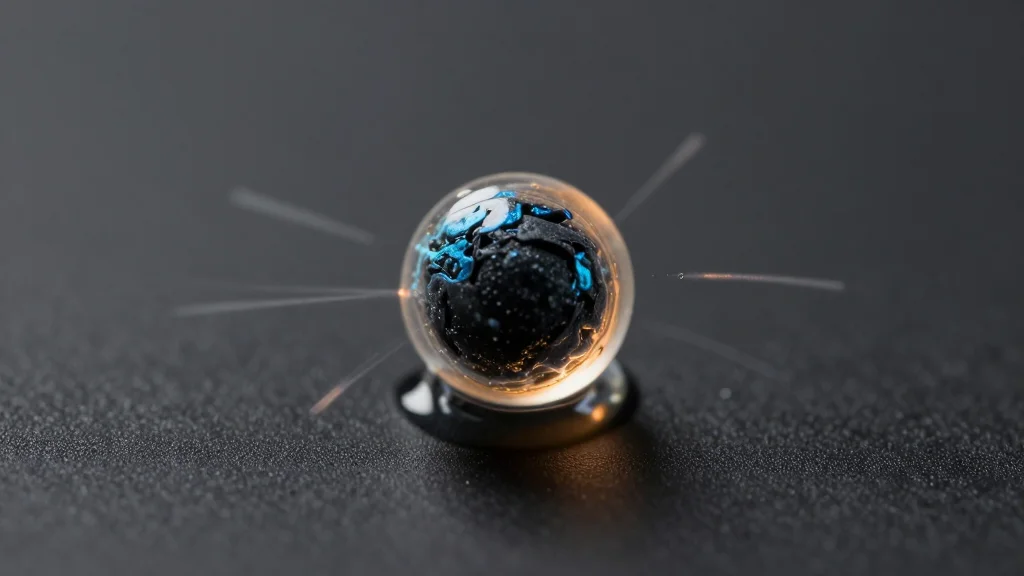
Cuttlefish Ink‐Derived Melanin/MXene Composites: Boosting Stability and Unleashing Synergistic Photothermal‐Mechanical Antimicrobial Effects Against Biofilms
Why It Matters
By overcoming MXene’s instability and toxicity, CI@MXene provides a scalable, non‑antibiotic solution for biofilm‑associated infections, a critical unmet need in modern healthcare.
Key Takeaways
- •Core‑shell CI@MXene prevents MXene oxidation, ensuring long‑term stability.
- •Mild NIR photothermal heating stays below 45 °C, avoiding tissue damage.
- •Combined photothermal and nano‑knife action kills >95 % bacteria, disrupts biofilms.
- •In vivo, treated wounds close faster with reduced inflammation and infection.
Pulse Analysis
MXene nanomaterials have attracted attention for their sharp, two‑dimensional edges that can physically disrupt bacterial membranes, a property dubbed the “nano‑knife.” However, their practical use has been hampered by rapid oxidation in physiological environments and concerns over metal‑induced cytotoxicity. Researchers have therefore sought biocompatible coatings that preserve MXene’s mechanical advantages while extending its functional lifespan. The integration of natural cuttlefish ink melanin—a robust, antioxidant pigment—offers a biomimetic solution, forming a core‑shell architecture that shields MXene from oxidative degradation and improves overall biocompatibility.
The CI@MXene composite leverages two synergistic physical mechanisms. First, near‑infrared irradiation induces a mild photothermal response, raising local temperature to sub‑45 °C levels that are safe for surrounding tissue yet sufficient to stress bacterial cells. Second, the encapsulated MXene retains its sharp edges, delivering a mechanical puncture effect that physically compromises bacterial walls. This dual action results in >95 % eradication of common pathogens such as E. coli and S. aureus and disrupts about 80 % of established biofilms, which are notoriously resistant to conventional antibiotics. The study’s in‑vivo mouse model confirms that these effects translate into faster wound closure, reduced bacterial load, and attenuated inflammatory markers.
Clinically, CI@MXene represents a promising non‑antibiotic approach to tackle the rising threat of antimicrobial resistance, especially in chronic wounds where biofilms dominate. Its stable, oxidation‑resistant design simplifies storage and handling, potentially lowering manufacturing costs compared with fragile nanomaterials. Moreover, the reliance on mild photothermal therapy aligns with existing medical devices, facilitating integration into wound‑care protocols. As healthcare systems prioritize alternatives to chemical antibiotics, technologies like CI@MXene could reshape infection management, prompting further investment in scalable production and regulatory pathways.
Cuttlefish Ink‐Derived Melanin/MXene Composites: Boosting Stability and Unleashing Synergistic Photothermal‐Mechanical Antimicrobial Effects Against Biofilms
Comments
Want to join the conversation?
Loading comments...