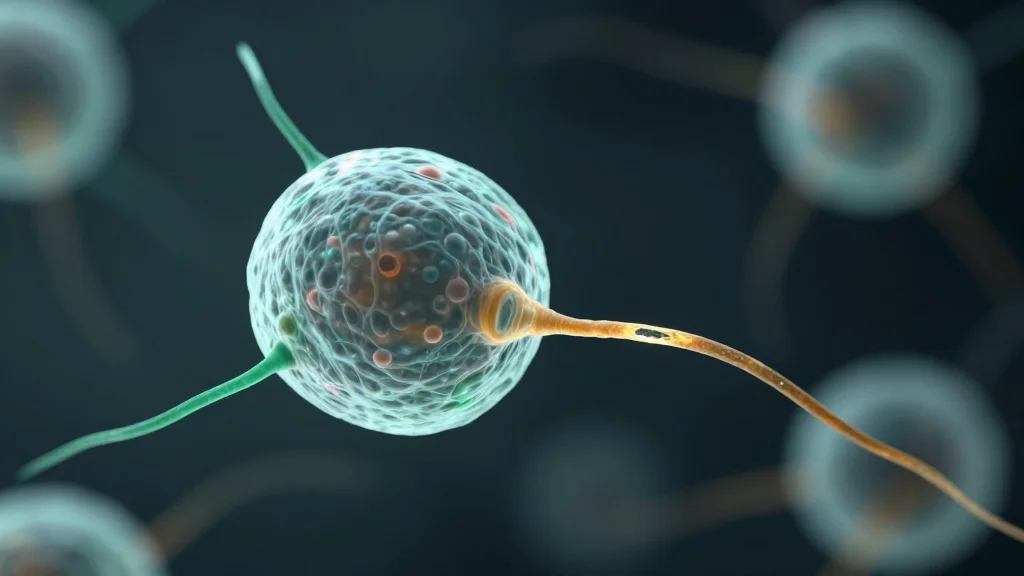
Cysteine’s Metabolic Fork: Sulfur Partitioning Shapes T Cell Function
Why It Matters
By pinpointing cysteine sulfur partitioning as a regulator of T‑cell fitness, the study provides a targetable metabolic lever that could amplify cancer immunotherapies and inform drug development for immune‑related diseases.
Key Takeaways
- •Cysteine sulfur splits between glutathione and iron‑sulfur clusters
- •Partitioning drives CD8⁺ T‑cell proliferation and anti‑tumor activity
- •Targeting sulfur routing may boost cancer immunotherapy efficacy
- •Iron‑sulfur cluster synthesis is essential for T‑cell effector function
- •Glutathione balance influences T‑cell oxidative stress handling
Pulse Analysis
T‑cell activation is a metabolically demanding process, relying on precise nutrient allocation to sustain rapid division and cytokine production. Among amino acids, cysteine stands out because its sulfur atom can be funneled into two distinct biochemical pathways: the synthesis of glutathione, the cell’s primary antioxidant, and the assembly of iron‑sulfur (Fe‑S) clusters, cofactors critical for mitochondrial respiration and DNA repair. This dual‑use creates a metabolic fork that determines how T cells balance redox protection with energetic needs.
In the June 2026 Cell paper, Kelly and colleagues demonstrated that directing cysteine‑derived sulfur toward Fe‑S cluster biogenesis markedly enhances CD8⁺ T‑cell proliferation and cytotoxic function, while a glutathione‑biased route preserves cells under oxidative stress but limits expansion. Using genetic and pharmacologic tools, the team showed that manipulating key enzymes—such as cysteine desulfurase and glutathione synthetase—reprograms the sulfur flow, reshaping the transcriptional landscape of effector genes and improving tumor clearance in mouse models. These mechanistic insights connect a single metabolic decision point to the broader immune response against malignancies.
The therapeutic implications are immediate. Modulating cysteine partitioning could synergize with checkpoint inhibitors or adoptive cell therapies by furnishing T cells with the metabolic resilience needed for sustained activity in the hostile tumor microenvironment. Moreover, the findings suggest biomarkers—like intracellular glutathione‑to‑Fe‑S ratios—to stratify patients likely to benefit from metabolic adjuvants. Future research will need to address safety, dosage, and the interplay with other nutrient pathways, but the study firmly positions sulfur metabolism as a frontier for next‑generation immuno‑oncology strategies.
Cysteine’s metabolic fork: Sulfur partitioning shapes T cell function
Comments
Want to join the conversation?
Loading comments...