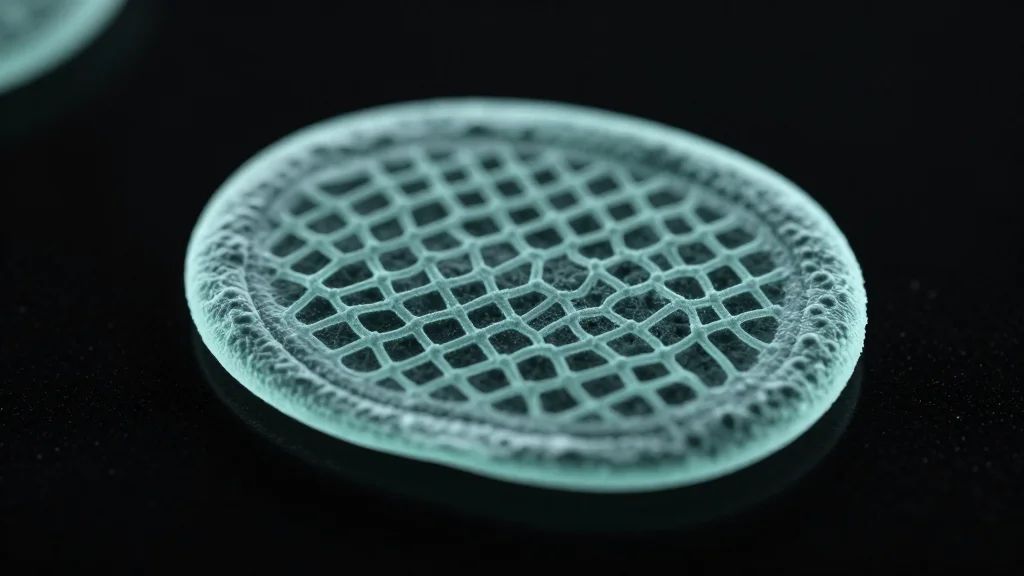
Cytoplasmic Lattices Are Megadalton Storage Complexes in Mammalian Oocytes
Why It Matters
Understanding CPL composition clarifies how oocytes stockpile critical factors, informing fertility research and potential therapeutic interventions for early‑development disorders.
Key Takeaways
- •CPLs consist of at least 13 proteins forming megadalton complexes
- •Maternal‑effect factors PADI6 and SCMC are structural CPL components
- •Unpolymerized α/β‑tubulin dimers are stored within CPLs
- •Ubiquitination enzymes embedded in CPLs suggest regulated protein turnover
Pulse Analysis
The discovery that cytoplasmic lattices (CPLs) are megadalton‑scale storage hubs reshapes our view of oocyte biology. By pairing high‑resolution cryo‑electron microscopy with artificial‑intelligence modeling, the Utrecht team resolved the intricate protein network that underpins CPL assembly. This methodological blend not only identified known maternal‑effect proteins such as PADI6 and the subcortical maternal complex but also uncovered a surprising roster of structural and regulatory proteins, including unpolymerized tubulin dimers and a suite of ubiquitination factors. The ability to visualize these supramolecular complexes provides a template for future structural studies of other large, dynamic organelles.
From a developmental perspective, the incorporation of essential embryonic proteins into CPLs offers a mechanistic explanation for how oocytes preserve a ready supply of factors needed during the earliest stages of life. The presence of ubiquitination enzymes within the lattice hints at an intrinsic quality‑control system that could modulate protein availability or degradation as fertilization proceeds. This insight bridges a gap between molecular storage and functional activation, suggesting that perturbations in CPL composition may directly contribute to infertility or developmental anomalies.
Clinically, the structural blueprint of CPLs opens avenues for diagnostic and therapeutic innovation. Biomarkers derived from CPL components could improve early detection of oocyte quality issues, while targeted manipulation of CPL assembly might enhance assisted reproductive technologies. Moreover, the study underscores the broader relevance of megadalton complexes in cellular storage strategies, prompting researchers to explore similar mechanisms in other cell types. As the field moves toward integrating structural biology with reproductive medicine, the CPL model stands as a compelling example of how deep molecular insight can translate into tangible health outcomes.
Cytoplasmic lattices are megadalton storage complexes in mammalian oocytes
Comments
Want to join the conversation?
Loading comments...