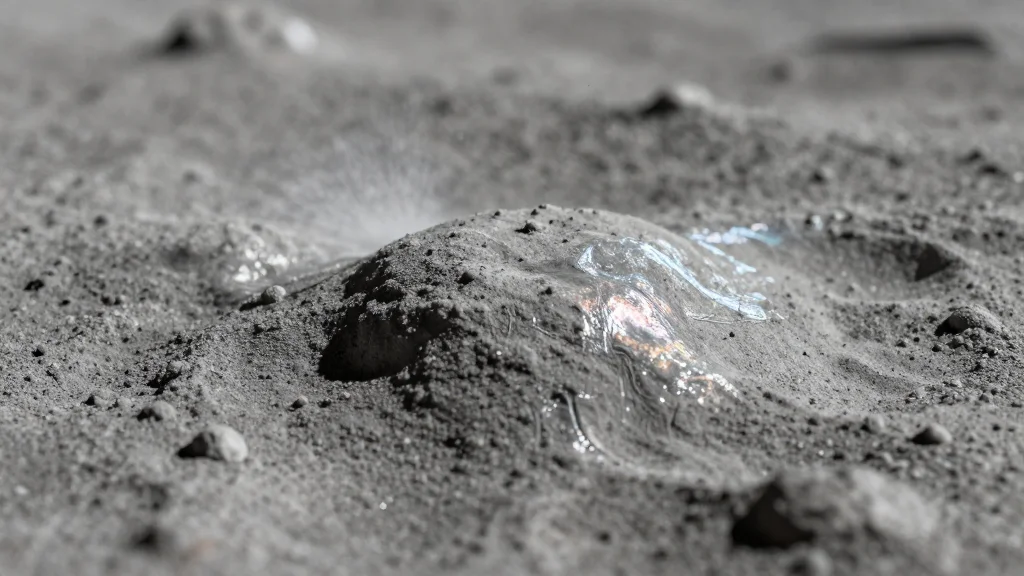
Dealing with Lunar Dust: What Works Best?
Why It Matters
Effective dust mitigation is essential for crew safety and equipment longevity on Artemis and other lunar initiatives, and the identified coatings could also inform durable surface treatments for harsh terrestrial environments.
Key Takeaways
- •Graphene‑enhanced perfluorosilane coating tops dust‑mitigation scores
- •Graphene/polyamide‑imide coating ranks second in performance
- •Study used five‑criteria rubric: thickness, manufacturability, complexity, durability, interaction
- •Researchers call for combined vacuum, UV, thermal‑cycling, abrasion testing
Pulse Analysis
Lunar regolith is more than a nuisance; its fine, jagged particles become electrostatically charged, cling to seals, and abrade visors and moving parts. Apollo astronauts reported reduced visibility, clogged filters, and skin irritation, and upcoming Artemis crews will face the same hazards on a longer‑duration schedule. Because the Moon lacks an atmosphere, dust is constantly mobilized by solar wind and micrometeoroid impacts, turning every surface exposure into a maintenance challenge. Solving this problem is a prerequisite for sustainable habitation, in‑situ resource utilization, and reliable scientific instrumentation.
The RMIT‑CSIRO team screened more than 30 passive coatings using a weighted rubric that measured added thickness, manufacturability, design complexity, environmental durability, and dust‑interaction performance. Their analysis crowned a graphene‑enhanced perfluorosilane coating as the top performer, with a graphene/polyamide‑imide composite taking the runner‑up spot. Both solutions combine high electrical conductivity with low surface energy, reducing electrostatic adhesion while remaining lightweight. However, the authors caution that most data stem from isolated vacuum or UV tests; they recommend a unified test matrix that subjects candidates to simultaneous vacuum, ultraviolet radiation, thermal cycling, and abrasive wear to reach higher technology readiness levels.
If validated, these graphene‑based coatings could become standard on lunar habitats, rover wheels, and astronaut suits, extending component lifespans and reducing maintenance logistics. Their inherent durability also makes them attractive for terrestrial sectors such as aerospace, oil‑rig equipment, and desert solar farms, where abrasive particles and extreme temperature swings pose similar threats. The study underscores a broader industry need for standardized high‑vacuum dust testing protocols, a gap that, once filled, will accelerate the transition of laboratory‑grade solutions to flight‑qualified hardware for the next wave of lunar exploration.
Dealing with Lunar Dust: What Works Best?
Comments
Want to join the conversation?
Loading comments...