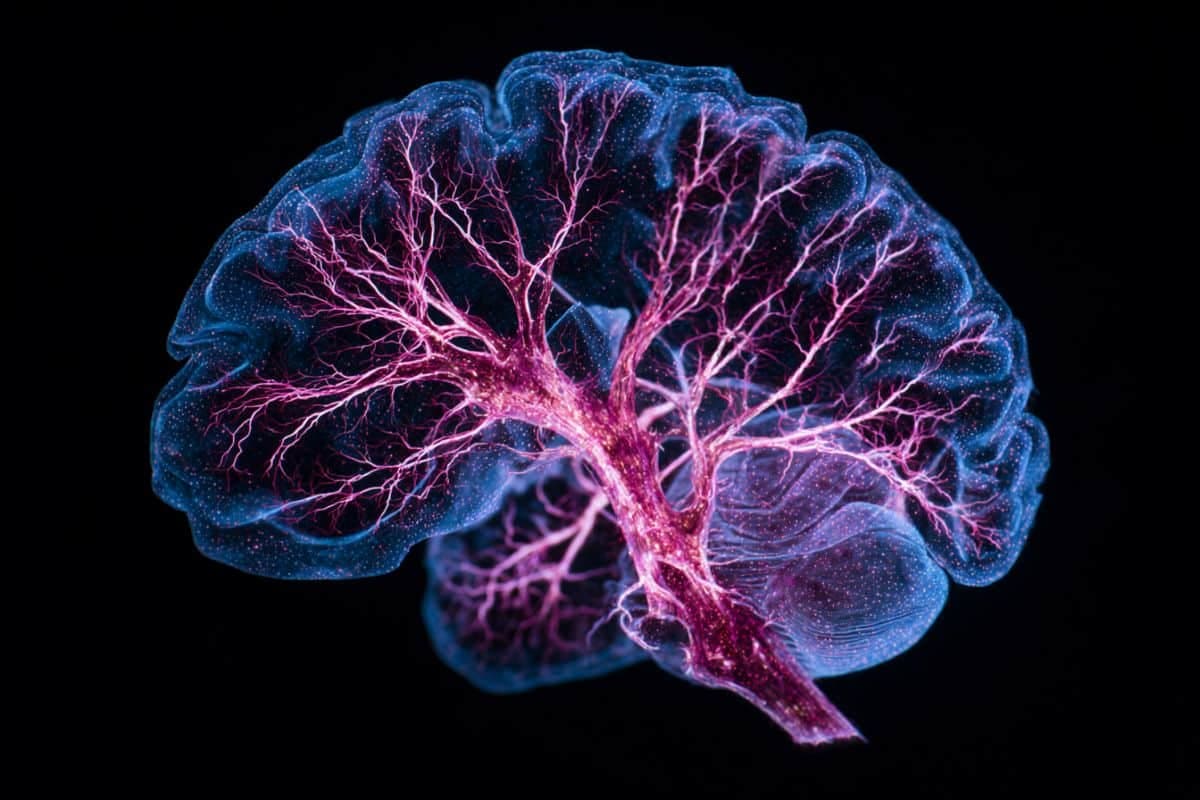
Decoding the Metabolic Roots of Bipolar Disorder
Companies Mentioned

Elsevier
Why It Matters
Because cognitive impairment drives functional disability in bipolar disorder, addressing metabolic health offers a novel therapeutic lever that could improve outcomes beyond mood stabilization.
Key Takeaways
- •Insulin resistance and leptin dysregulation predict cognition loss only in bipolar disorder
- •Worse metabolic profile correlates with higher number of mood/manic episodes
- •Metabolic dysfunction reduces gray‑matter volume in cognition‑related brain regions
- •Early metabolic intervention may prevent neuroprogressive decline in bipolar patients
Pulse Analysis
The intersection of psychiatry and metabolic science is gaining traction as researchers uncover how systemic health shapes brain function. While obesity, diabetes, and insulin resistance have long been associated with mood disturbances, the new findings clarify that these metabolic signals do more than coexist with psychiatric symptoms—they actively remodel neural architecture in bipolar disorder. By mapping blood‑based insulin and leptin markers to MRI‑derived gray‑matter volumes, the study demonstrates a mechanistic bridge between peripheral metabolism and the cortical networks governing memory, attention, and executive control.
Methodologically, the investigation stands out for its multimodal approach: 81 bipolar and 78 major depressive inpatients underwent standardized cognitive batteries, fasting metabolic panels, and high‑resolution structural imaging. Advanced multivariate modeling isolated a latent metabolic factor that predicted both reduced gray‑matter density and poorer cognitive scores, but only within the bipolar cohort. This diagnostic specificity suggests that repeated mood episodes may amplify metabolic stress, creating a feedback loop that accelerates neurodegeneration—a core tenet of the neuroprogressive model of bipolar illness.
Clinically, the implications are twofold. First, metabolic screening should become routine in bipolar care, enabling early identification of patients at risk for cognitive decline. Second, repurposing insulin‑sensitizing drugs, intranasal insulin, or GLP‑1 receptor agonists—already approved for type 2 diabetes—offers a promising avenue to protect brain tissue and restore cognition. Pharmaceutical pipelines are likely to explore these agents as adjunctive therapies, potentially opening a new market segment that blends endocrinology with mental health treatment. As evidence accumulates, insurers and providers may soon endorse metabolic interventions as standard components of comprehensive bipolar management.
Decoding the Metabolic Roots of Bipolar Disorder
Comments
Want to join the conversation?
Loading comments...