Why It Matters
The reversal threatens Indonesia’s climate pledges by eroding a vital carbon sink and could reshape global timber and commodity markets. It also signals heightened risk for biodiversity and indigenous communities as forest protection wanes.
Key Takeaways
- •Deforestation hit 430,000 hectares in 2025, up 66% YoY.
- •Losses reversed a decade‑long decline, reaching highest level since 2016.
- •Half of cleared land lies within licensed mining, timber, oil‑palm concessions.
- •Papua’s forests saw sharp increase as expansion moves eastward.
- •Indonesia risks becoming world’s top tropical deforester, jeopardizing climate goals.
Pulse Analysis
Indonesia’s forest cover, long touted as a success story after years of policy‑driven decline, has sharply reversed in 2025. New NGO estimates put cleared land at 430,000 hectares, a 66% increase over the previous year and the highest figure since 2016. While Brazil’s Amazon has seen three consecutive years of falling loss, Indonesia is moving in the opposite direction, raising concerns that it could overtake Brazil as the planet’s leading tropical deforester if trends continue.
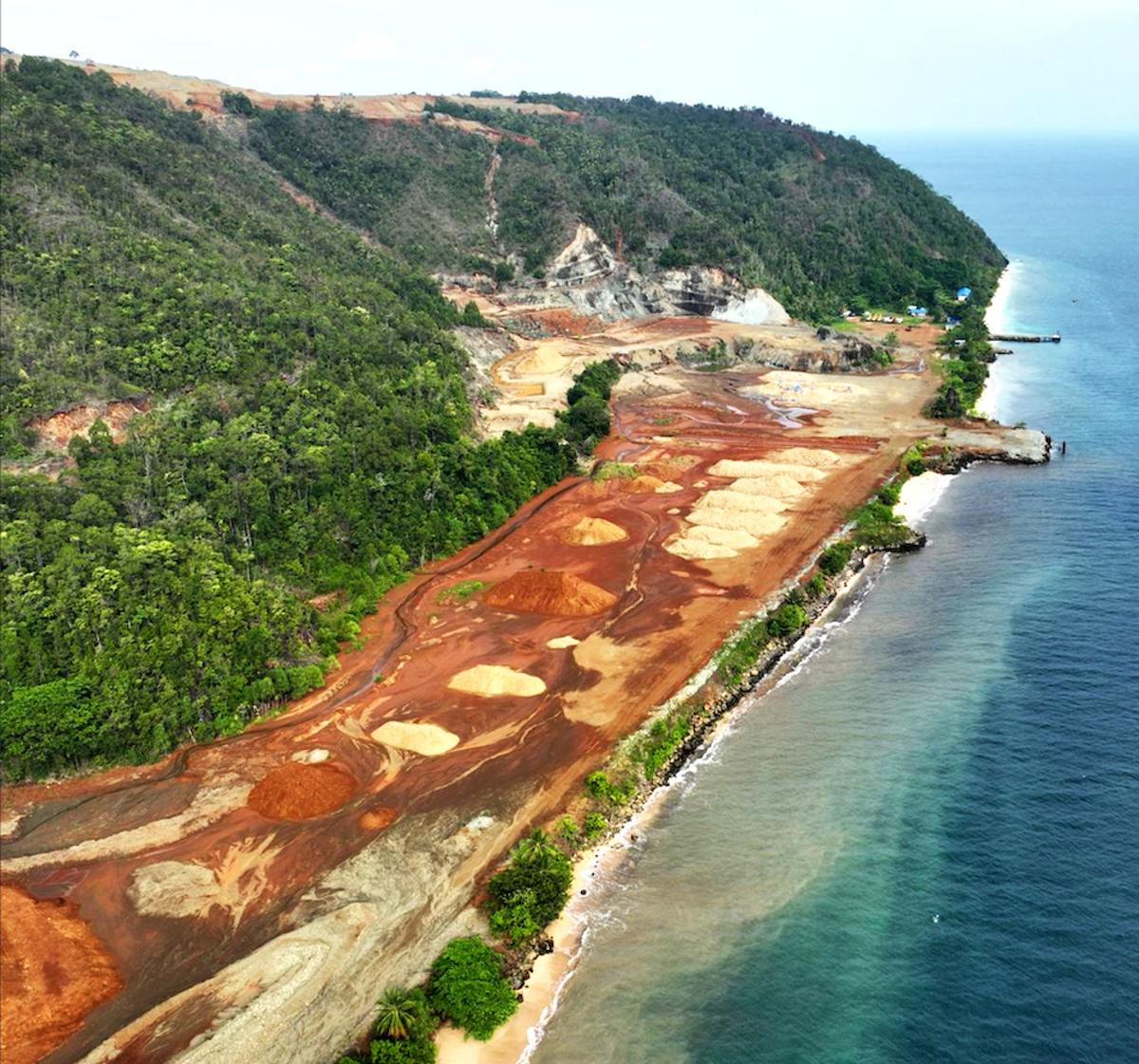
The surge stems from a mix of policy and market forces. Easing of environmental safeguards under the tail end of President Joko Widodo’s administration opened the door for large‑scale habitat conversion, including food‑estate projects and infrastructure expansion. Today, nearly half of the cleared area falls within licensed concessions for mining, timber and oil‑palm, with nickel extraction for electric‑vehicle batteries driving road building deep into previously untouched regions. The pressure is also shifting eastward, with Papua—home to some of the country’s most intact forests—experiencing a sharp uptick in clearing as developers seek new frontiers.
Beyond the immediate loss of biodiversity, the deforestation spike jeopardizes Indonesia’s climate commitments. The nation relies on its forests to act as a net carbon sink, a cornerstone of its emissions‑reduction targets. Rising forest loss undermines this strategy, potentially inflating the country’s carbon footprint and affecting global climate negotiations. International buyers, especially in the EV sector, face mounting scrutiny to ensure supply chains are not linked to forest destruction, prompting calls for stricter enforcement, transparent land‑use mapping, and renewed investment in sustainable land‑management practices. The coming years will test whether policy reversals can be halted before the ecological and economic costs become irreversible.
Deforestation is surging in Indonesia
Comments
Want to join the conversation?
Loading comments...