Dendritic Cell‐Inspired NCNTs/HEA Architecture for Synergistic Enhancement of Low‐Frequency Microwave Absorption and Thermal Conductivity
Why It Matters
The breakthrough offers a compact, high‑performance solution for managing heat and EMI in increasingly miniaturized electronics, addressing a critical bottleneck for 5G, IoT, and automotive systems.
Key Takeaways
- •NCNTs/HEA-2 reaches −57.85 dB reflection loss at 6.32 GHz
- •Effective absorption bandwidth spans 2.32 GHz with 3.10 mm thickness
- •In‑plane thermal conductivity rises to 2.44 W·m⁻¹·K⁻¹
- •Biomimetic architecture creates magnetic‑electric‑magnetic loss hierarchy
- •Material shows corrosion resistance, suited for next‑gen electronics
Pulse Analysis
The rapid rise of high‑density electronic modules—driven by 5G, edge computing, and electric vehicles—has intensified the need for materials that can simultaneously dissipate heat and suppress low‑frequency electromagnetic radiation. Conventional approaches typically blend a thermally conductive filler with a separate EMI‑absorbing component, leading to bulky composites, high interfacial resistance, and compromised mechanical integrity. Market analysts estimate the global EMI shielding market will exceed $7 billion by 2028, while thermal management solutions command a comparable spend, highlighting the commercial incentive for integrated, lightweight alternatives.
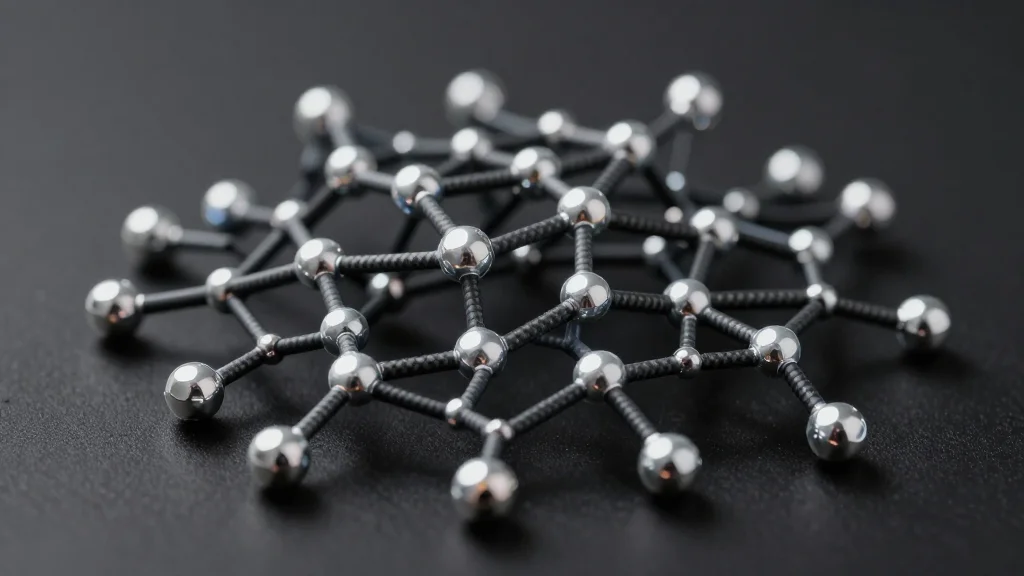
The dendritic‑cell‑inspired NCNTs/HEA architecture tackles these challenges through a biomimetic design that mimics the hierarchical structure of immune cells. By confining high‑entropy alloy nanoparticles within a three‑dimensional network of nitrogen‑doped carbon nanotubes, the composite establishes magnetic‑electric‑magnetic loss pathways that enhance microwave attenuation at low frequencies. The reported –57.85 dB reflection loss at 6.32 GHz and a 2.32 GHz effective absorption bandwidth are among the best figures for dual‑functional materials, while the 2.44 W·m⁻¹·K⁻¹ thermal conductivity rivals that of pure metallic conductors, all within a thin 3.10 mm panel.
From a business perspective, the technology promises to reduce part count and assembly complexity for devices ranging from smartphones to power‑train controllers. Its inherent corrosion resistance further extends applicability to harsh automotive and aerospace environments, where reliability is paramount. While scaling the precise NCNT morphology may present manufacturing hurdles, the potential cost savings from eliminating separate heat sinks and shielding enclosures could drive rapid adoption. Investors and OEMs should monitor pilot programs and licensing agreements as the material moves from laboratory validation toward commercial deployment.
Dendritic Cell‐Inspired NCNTs/HEA Architecture for Synergistic Enhancement of Low‐Frequency Microwave Absorption and Thermal Conductivity
Comments
Want to join the conversation?
Loading comments...