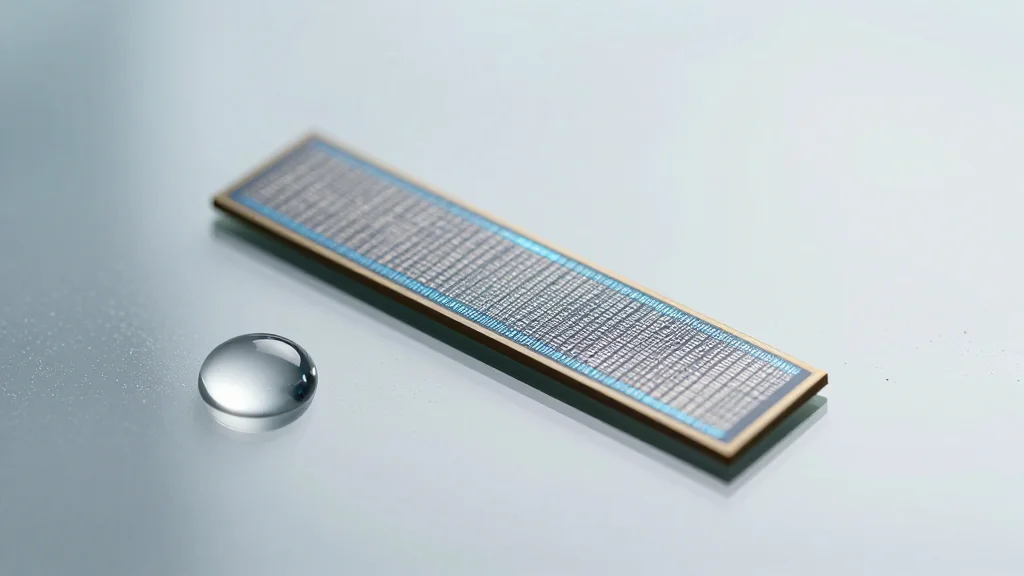
Detection at the Nanoscale: A Phosphate-Detecting Electrochemical Sensor
Why It Matters
The sensor provides farmers and regulators with rapid, on‑site insight into nutrient runoff, helping curb water pollution and optimize fertilizer use. Its scalable printed‑electronics format could also open new avenues in biomedical monitoring.
Key Takeaways
- •First printed graphene sensor for phosphate detection in water
- •Electrochemical design converts phosphate presence into measurable voltage signal
- •Enables real‑time monitoring of fertilizer runoff, protecting water ecosystems
- •Potential expansion to biomedical phosphate sensing and other liquid‑phase analytics
Pulse Analysis
Phosphate levels in soil and water are a double‑edged sword for modern agriculture. While essential for plant growth, excess phosphates from fertilizers leach into waterways, fueling algal blooms and degrading ecosystems. Traditional laboratory analyses are time‑consuming and costly, leaving a gap for rapid, field‑deployable monitoring solutions. The Kansas State University breakthrough addresses this need by marrying graphene’s exceptional conductivity with printed‑electronics techniques, delivering a sensor that can be fabricated at scale and deployed directly in irrigation channels or runoff streams.
At the heart of the technology is a graphene nano‑ink printed onto a flexible substrate, forming an electrochemical interface that reacts to phosphate ions. When a small voltage is applied, the sensor translates ion concentration into a proportional electrical signal, which can be captured by standard data loggers or IoT devices. Graphene’s atomic‑thin structure ensures chemical stability and resistance to degradation, allowing the sensor to operate reliably over months without recalibration. Compared with optical or enzymatic methods, this approach reduces both material costs and power requirements, making it attractive for large‑area agricultural deployments.
Beyond farming, the sensor’s modular design opens pathways into biomedical and industrial sectors where phosphate monitoring is critical, such as blood chemistry or wastewater treatment. Kansas State’s partnership with the Kansas State University Research Foundation (KSURF) accelerates licensing and commercialization, positioning the invention for rapid market entry. As regulatory pressure mounts on nutrient runoff and precision agriculture gains traction, a low‑cost, printable phosphate sensor could become a cornerstone of sustainable water management and next‑generation health diagnostics.
Detection at the nanoscale: A phosphate-detecting electrochemical sensor
Comments
Want to join the conversation?
Loading comments...