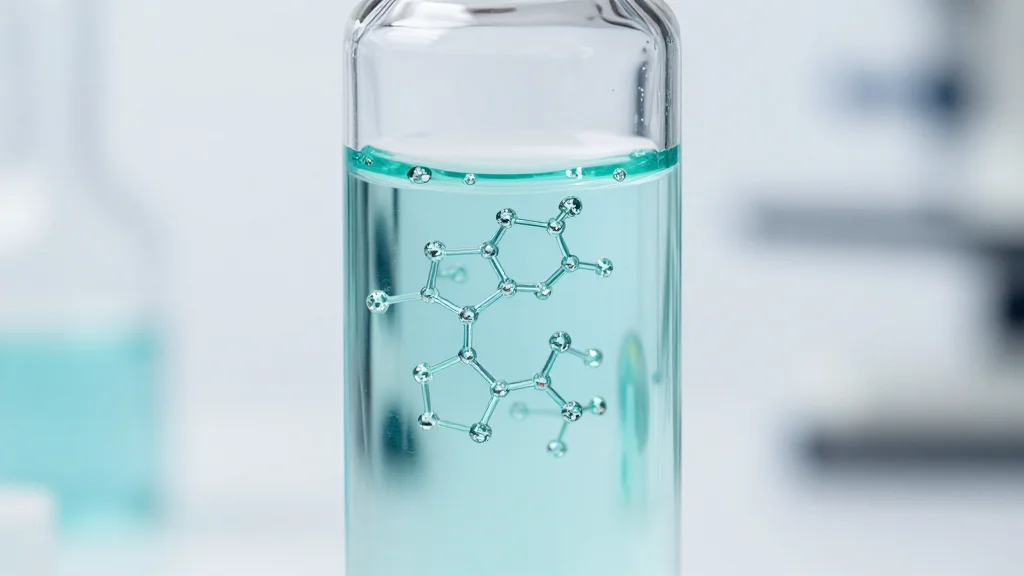
Diazoboranes React with Oxygen to Form Dioxaboriranes
Why It Matters
The ability to generate stable dioxaboriranes from simple diazoboranes provides a sustainable route to new boron‑oxygen motifs, expanding the toolbox for synthetic chemists and enabling greener catalytic and material applications.
Key Takeaways
- •Diazoboranes react with O2 to give dioxaboriranes
- •Isolated dioxaboriranes are stable under ambient conditions
- •Oxidative cyclization proceeds via oxygen coordination to boron
- •Compounds serve as potential building blocks for boron‑oxygen materials
- •Method avoids hazardous metal oxidants, aligning with green chemistry
Pulse Analysis
The discovery of dioxaboriranes marks a rare expansion of main‑group heterocycles that have traditionally been dominated by carbon‑based rings. Boron’s electron‑deficient nature makes three‑membered boron‑oxygen cycles notoriously unstable, yet the team succeeded in isolating them by exploiting the innate reactivity of diazoboranes with molecular oxygen. By converting a simple, readily prepared diazoborane into a strained B‑O‑B ring, the work opens a synthetic gateway that was previously considered unattainable, offering chemists a new scaffold for exploring electronic and structural effects.
The authors propose an oxidative cyclization mechanism in which O₂ first coordinates to the boron center, followed by insertion of two oxygen atoms to close the three‑membered ring. Advanced NMR, IR, and single‑crystal X‑ray diffraction confirmed the geometry, while density‑functional calculations rationalized the role of substituents in stabilizing the transient intermediates. Importantly, the reaction proceeds at ambient temperature without precious‑metal oxidants, showcasing a greener alternative to conventional oxidation protocols that rely on toxic reagents or high‑energy conditions.
Beyond the synthetic feat, dioxaboriranes could become versatile building blocks for next‑generation materials. Their inherent ring strain and electrophilicity suggest utility as oxygen‑transfer reagents or as precursors to extended boron‑oxygen frameworks with unique photophysical or conductive properties. Incorporating these motifs into polymers or supramolecular assemblies may yield sensors, organic electronics, or energy‑storage components. Ongoing studies will likely probe substituent tuning, reactivity with other small molecules, and catalytic cycles that mimic transition‑metal oxidation, positioning dioxaboriranes at the forefront of sustainable main‑group chemistry.
Diazoboranes React with Oxygen to Form Dioxaboriranes
Comments
Want to join the conversation?
Loading comments...