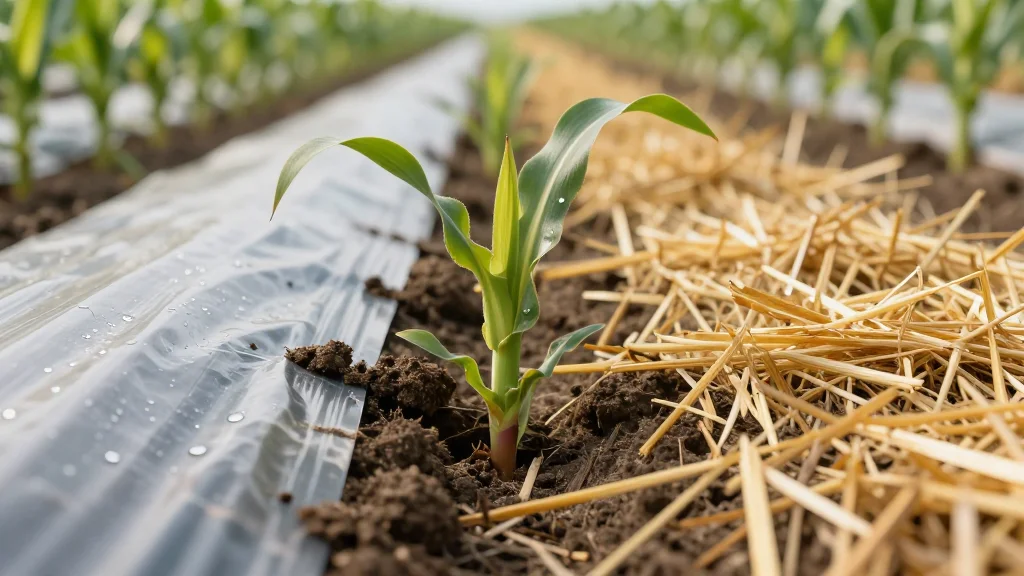
Differential Responses of Soil Bacterial Community and Respiration to Plastic Film and Straw Mulching in a Maize Field
Why It Matters
Understanding how mulching alters microbial pathways clarifies its impact on soil carbon fluxes, informing sustainable agronomic practices and climate‑friendly crop management.
Key Takeaways
- •Plastic film mulching boosted early-season bacterial diversity, then declined later
- •Straw mulching consistently raised bacterial diversity throughout maize growth
- •PM favored oligotrophic taxa like Chloroflexi, reducing late-season soil respiration
- •SM enriched copiotrophic groups such as Proteobacteria, increasing respiration 32‑72%
- •Soil moisture, NH4‑N, and NO3‑N drove bacterial community changes
Pulse Analysis
Mulching is a cornerstone of modern maize production, yet its influence on below‑ground processes remains under‑explored. Soil respiration, a key indicator of microbial carbon turnover, directly links agronomic inputs to greenhouse‑gas emissions. By integrating microbial ecology with biogeochemical measurements, researchers can untangle how surface interventions cascade through the soil food web, offering a more nuanced view than bulk carbon accounting alone.
The study revealed divergent microbial trajectories under plastic film versus straw mulches. Plastic film initially spurred bacterial richness but later favored oligotrophic groups such as Chloroflexi and Firmicutes, which thrive on limited resources and corresponded with a modest decline in respiration during the hot 2021 season. In contrast, straw mulching consistently nurtured copiotrophic taxa like Proteobacteria and Acidobacteriota, organisms that rapidly metabolize labile carbon, driving a substantial 32‑72% increase in cumulative soil respiration across all years. Moisture, ammonium‑N, and nitrate‑N emerged as the strongest environmental levers shaping these community shifts.
For growers and policymakers, these findings underscore that mulching choices extend beyond weed control or moisture retention; they actively steer microbial pathways that regulate carbon release. Incorporating straw residues can enhance soil health and nutrient cycling but may elevate CO₂ fluxes, while plastic film offers short‑term moisture benefits but risks suppressing beneficial microbes under high temperatures. Balancing these trade‑offs will be critical as the industry seeks to meet productivity goals while reducing its carbon footprint.
Differential responses of soil bacterial community and respiration to plastic film and straw mulching in a maize field
Comments
Want to join the conversation?
Loading comments...