Digital Tools Are Transforming Efforts to Save Plants From Extinction
Why It Matters
Digitization and AI provide the data infrastructure needed to prioritize conservation resources and detect climate‑driven changes before species disappear. Bridging the digital gap in poorer regions is essential to safeguard global biodiversity.
Key Takeaways
- •Only 16% of global herbarium specimens digitized.
- •Honduras ferns missing from 33% of protected‑area plans.
- •AI analyzed 8 million specimens, showing two‑day flowering shift per decade.
- •Nigeria’s “silent” herbaria reveal plant range five times larger.
Pulse Analysis
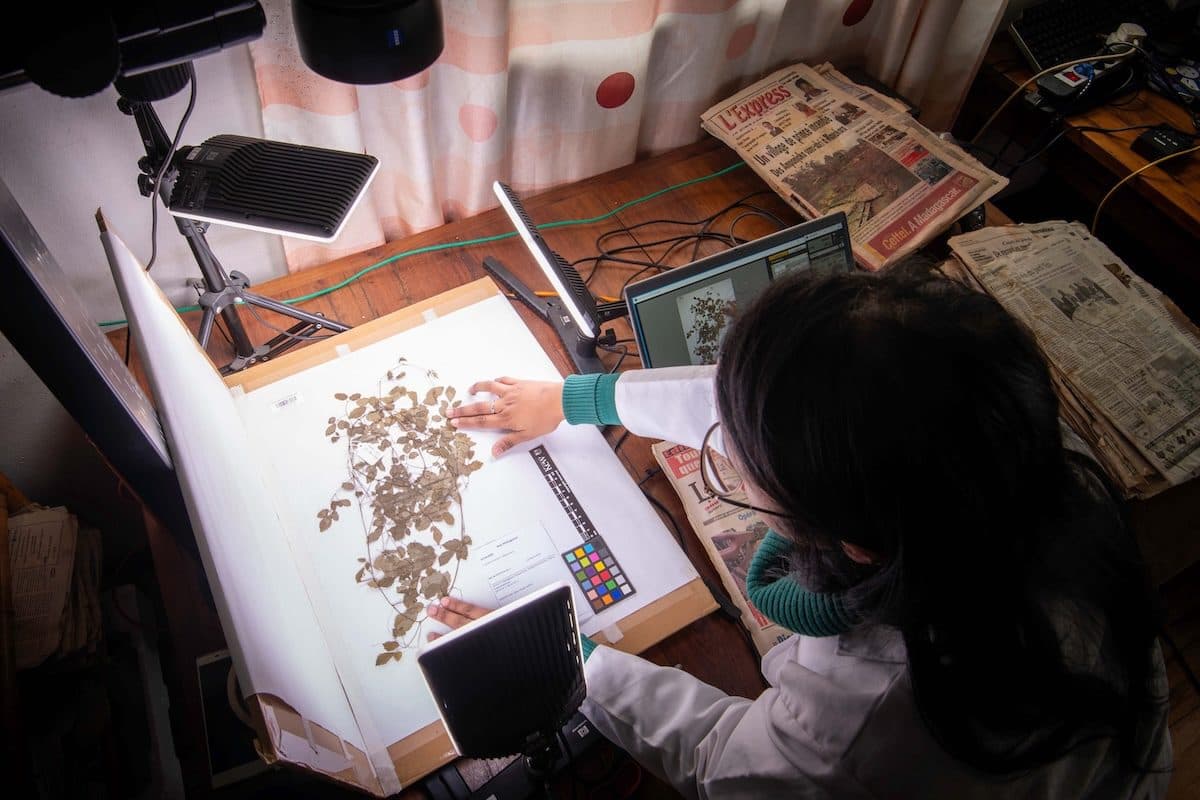
Digitizing herbarium collections is reshaping botanical research, turning centuries‑old pressed specimens into searchable digital assets. The Royal Botanic Gardens, Kew, recently reported that it has completed imaging its 7.4 million specimens, yet worldwide only about 16 percent of the estimated 350 million plant and fungi samples are publicly available. This digital surge enables scientists to overlay historical distribution data with modern climate models, accelerating the detection of biodiversity loss. By making data interoperable across institutions, researchers can construct a global, real‑time picture of flora under threat.
Field‑level applications illustrate the power of these new tools. In Honduras, a digital inventory of ferns—combining local and overseas records—showed that one‑third of species occurring in protected areas are absent from management plans, highlighting misaligned conservation priorities. Meanwhile, artificial‑intelligence algorithms processed eight million digitized specimens to quantify phenological change, revealing an average two‑day advance in flowering per decade over the past century. In Nigeria, the nascent digitization of “silent” herbaria uncovered that the medicinal plant Cnestis ferruginea occupies a range five times larger than previously documented, reshaping ecological and pharmacological assessments.
Despite these breakthroughs, the digital divide persists. Wealthier nations dominate the digitization effort, leaving collections in biodiversity‑rich but under‑funded countries largely invisible to the global research community. Without targeted investment, critical data gaps could impede timely interventions, risking the loss of species before they are even recognized. Kew’s executive director Alexandre Antonelli urges international donors and governments to fund “silent” herbaria, arguing that equitable access to specimen data is essential for informed policy, climate‑adaptation strategies, and ultimately, the preservation of the planet’s botanical heritage.
Digital Tools Are Transforming Efforts to Save Plants from Extinction
Comments
Want to join the conversation?
Loading comments...