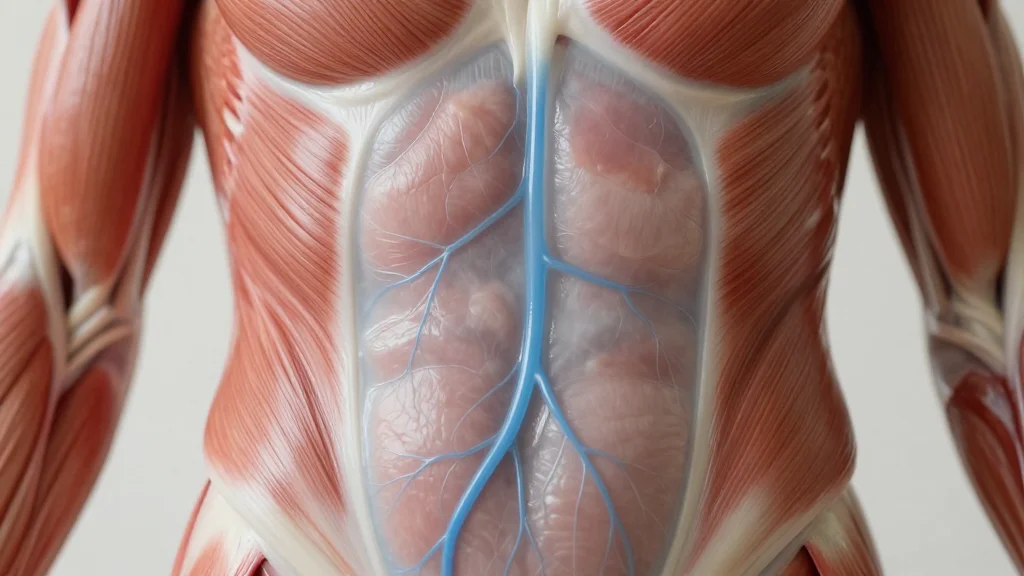
Dirty Mind? Study Suggests Gut Movement May Flush Excess Material From Our Brains
Why It Matters
If abdominal‑driven brain motion aids waste clearance, it could reshape strategies for preventing neurodegenerative diseases and highlight the health risks of sedentary lifestyles.
Key Takeaways
- •Brain shifts milliseconds before each step, driven by abdominal muscle tension
- •Vertebral venous plexus links abdominal pressure to cerebrospinal fluid movement
- •Simulations suggest motion may flush protein waste from brain tissue
- •Findings could inform therapies for neurodegenerative diseases linked to waste buildup
- •Future work will examine obesity’s impact on belly‑brain hydraulic system
Pulse Analysis
A new study from Penn State neuroscientists has identified the physical driver behind the subtle brain motion observed in mammals during locomotion. Using high‑resolution imaging and pressure sensors on mice, the researchers showed that the brain shifts forward a few milliseconds before each step, coinciding with the contraction of abdominal muscles. The force is transmitted through the vertebral venous plexus, a vein network that connects the abdomen to the spinal canal, creating a hydraulic push that nudges the brain within the skull’s fluid‑filled cavity. These observations bridge a long‑standing gap between biomechanics and neurophysiology, confirming that muscle activity can directly influence intracranial fluid dynamics.
The team’s computational fluid‑dynamics simulations indicate that the abdominal‑driven pulse propels cerebrospinal fluid out of the brain’s interstitial spaces, potentially sweeping away misfolded proteins such as amyloid‑β and tau. If this hydraulic flushing operates in humans as it does in mice, it could represent a natural, activity‑dependent clearance pathway that complements the glymphatic system. Disruption of this mechanism might accelerate the accumulation of neurotoxic waste, offering a mechanistic link between sedentary lifestyles, obesity, and heightened risk for Alzheimer’s and other neurodegenerative disorders.
Future investigations will test whether the belly‑brain hydraulic link is modifiable through exercise regimens, posture training, or weight‑loss interventions. Researchers also aim to map the sensory feedback loop that may allow the brain to sense these mechanical cues, a step that could unlock novel neuromodulation strategies. By integrating biomechanics with neurobiology, the findings broaden our understanding of how everyday movement sustains brain health, and they may inspire new diagnostic tools that monitor cerebrospinal fluid dynamics as early indicators of disease.
Dirty mind? Study suggests gut movement may flush excess material from our brains
Comments
Want to join the conversation?
Loading comments...