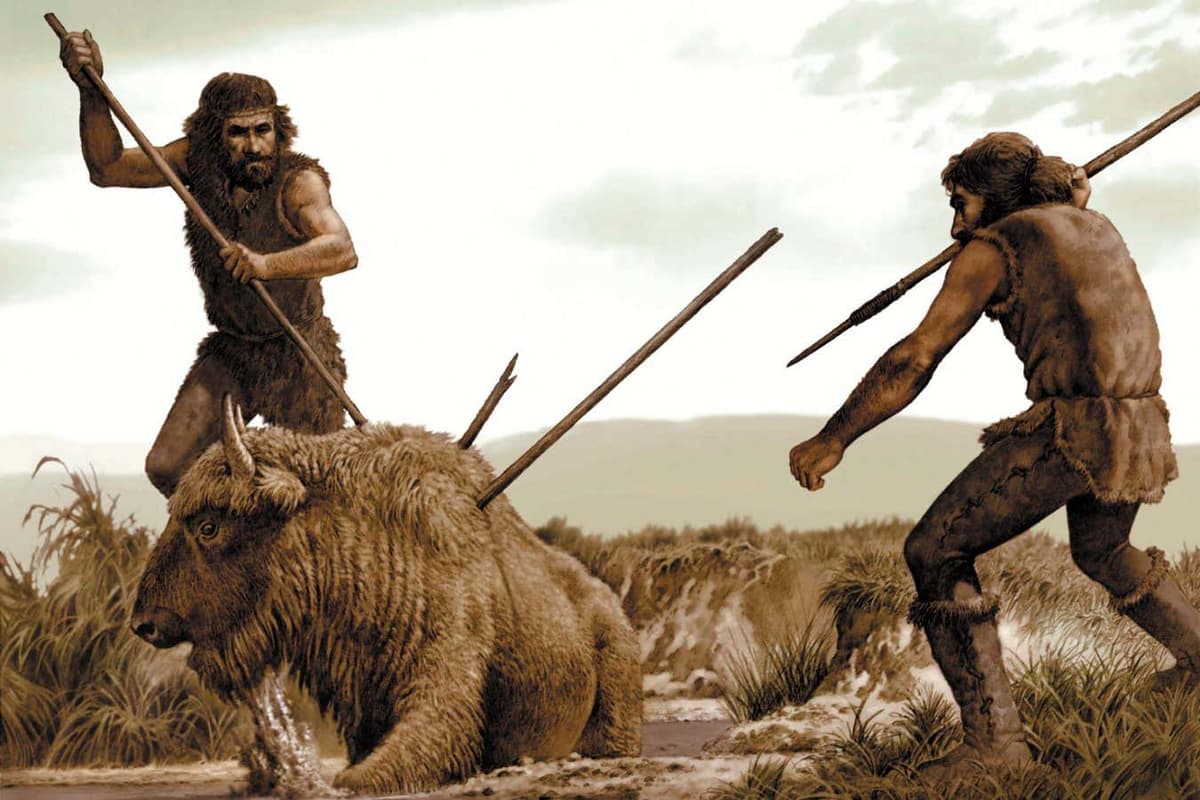
Disappearing Megafauna May Have Prompted a Stone Tool Revolution
Why It Matters
The research demonstrates how environmental shifts can drive technological innovation, reshaping the trajectory of human evolution and toolmaking practices. Understanding this link offers insight into the adaptive roots of modern human ingenuity.
Key Takeaways
- •Megaherbivore numbers dropped in Middle East ~200,000 years ago
- •Heavy stone axes and cleavers gave way to lighter composite tools
- •New toolkits align with archaeological record of smaller prey hunting
- •Shift may have spurred cognitive advances in early humans
Pulse Analysis
The disappearance of megafauna across the Levant during the Middle Pleistocene coincides with a period of climatic fluctuation that reduced the availability of large grazing mammals. Paleoenvironmental data suggest that aridification and habitat fragmentation limited populations of elephant relatives, hippos, and rhinoceros-like species, creating a resource vacuum for hominin groups reliant on big-game hunting. This ecological squeeze likely compelled early humans to diversify their diet, turning to smaller ungulates and opportunistic foraging, a transition reflected in sedimentary layers that record dwindling megafaunal remains.
Archaeologists have long noted a marked shift in lithic assemblages around the same timeframe. The once-dominant Acheulean handaxes and massive cleavers gave way to more refined flake tools, points, and microliths that could be hafted onto shafts for precision hunting. These lighter implements required less raw material and allowed for rapid production, essential when targeting agile, smaller prey. Experimental archaeology confirms that such tools are more efficient for skinning and butchering modest-sized animals, supporting the notion that tool redesign was a direct response to changing subsistence needs.
Beyond the immediate practical benefits, the tool revolution may have catalyzed broader cognitive developments. Crafting lighter, more specialized tools demands advanced planning, fine motor control, and abstract thinking—skills that underpin modern human intelligence. Comparative studies of contemporary hunter‑gatherer societies show that diversified toolkits correlate with complex social structures and knowledge transmission. By linking megafaunal decline to technological and mental evolution, the new research enriches our understanding of how environmental pressures can accelerate cultural innovation, a lesson that resonates as modern societies confront rapid ecological change.
Disappearing megafauna may have prompted a stone tool revolution
Comments
Want to join the conversation?
Loading comments...