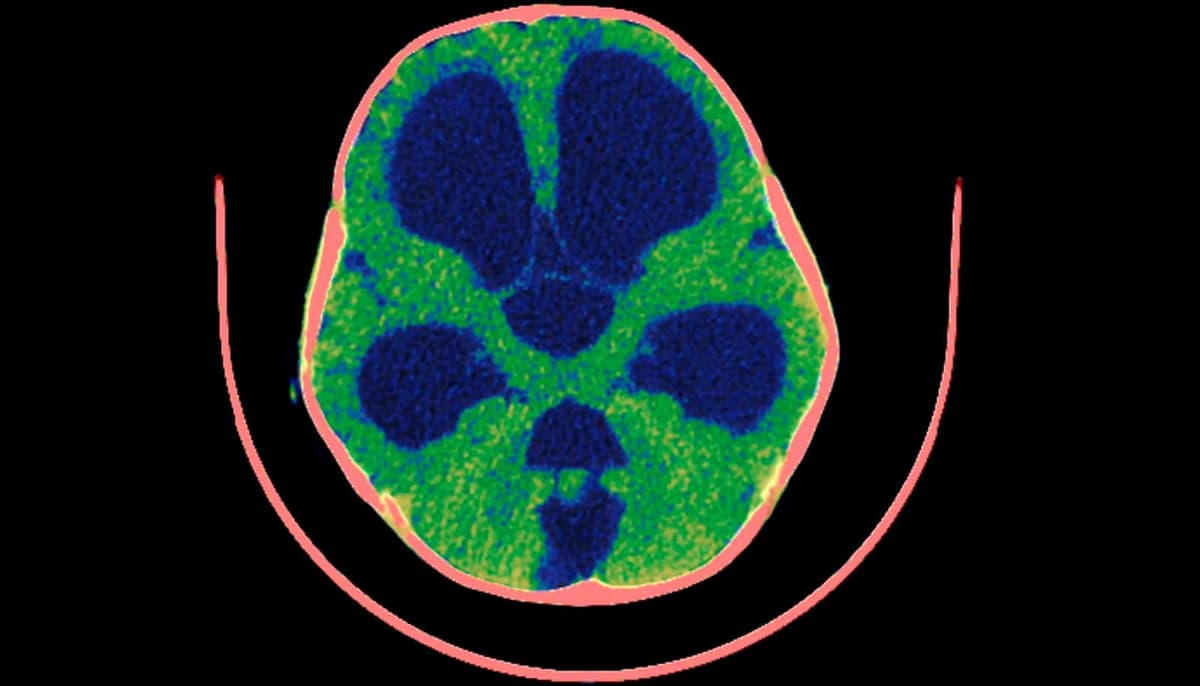
Discovery May Upend Ideas About the Cause of Hydrocephalus
Why It Matters
If the windkessel theory holds, it opens avenues for treatments that target pulsatile dynamics, potentially reducing dependence on malfunction‑prone shunt surgeries and improving outcomes for millions of patients.
Key Takeaways
- •Study argues hydrocephalus stems from failed pulsatile energy absorption
- •Researchers used electrical circuit model of cerebral windkessel system
- •Findings challenge century‑old CSF‑absorption (Monro‑Kellie) doctrine
- •New theory may inspire shunt designs that divert heartbeat pulsations
- •Over 1 million U.S. patients could benefit from revised treatments
Pulse Analysis
Hydrocephalus affects roughly one million Americans and an estimated 25 million people worldwide, making it one of the most common neurological disorders across all ages. The condition has long been framed by the Monro‑Kellie doctrine, which attributes ventricular enlargement to impaired cerebrospinal fluid (CSF) absorption. In practice, treatment relies almost exclusively on ventriculoperitoneal shunts, devices notorious for high failure rates, frequent revisions, and costly hospital stays. This therapeutic bottleneck has spurred a search for more physiologic solutions, yet the underlying pathophysiology has remained largely unquestioned—until now.
A research team led by Stony Brook neurosurgeon Michael Egnor proposes a radical alternative: hydrocephalus as a disorder of pulsatile dynamics rather than bulk CSF flow. By constructing an electrical‑circuit analogue of the cerebral windkessel system, the investigators demonstrated that high impedance to heartbeat‑generated pulsations can reproduce the hallmark ventricular dilation seen in patients. The model reframes the disease as a failure to dampen pulsatile energy, directly contradicting a century of clinical teaching. If validated, the windkessel hypothesis could rewrite textbooks and redirect experimental focus toward vascular‑brain coupling mechanisms.
The clinical implications are immediate. Shunt technology could evolve from simple pressure‑drainage valves to devices that modulate or redirect pulsatile energy, potentially lowering malfunction rates and extending device longevity. Pharmaceutical research might also explore agents that alter cerebrovascular compliance, offering a non‑surgical adjunct. Moreover, insurers and hospitals stand to reduce the billions spent annually on shunt revisions and associated complications. As the field scrutinizes the windkessel theory, investors in neuro‑medical startups may see new opportunities, while patients could finally receive treatments that address the root cause rather than just the symptoms.
Discovery may upend ideas about the cause of hydrocephalus
Comments
Want to join the conversation?
Loading comments...