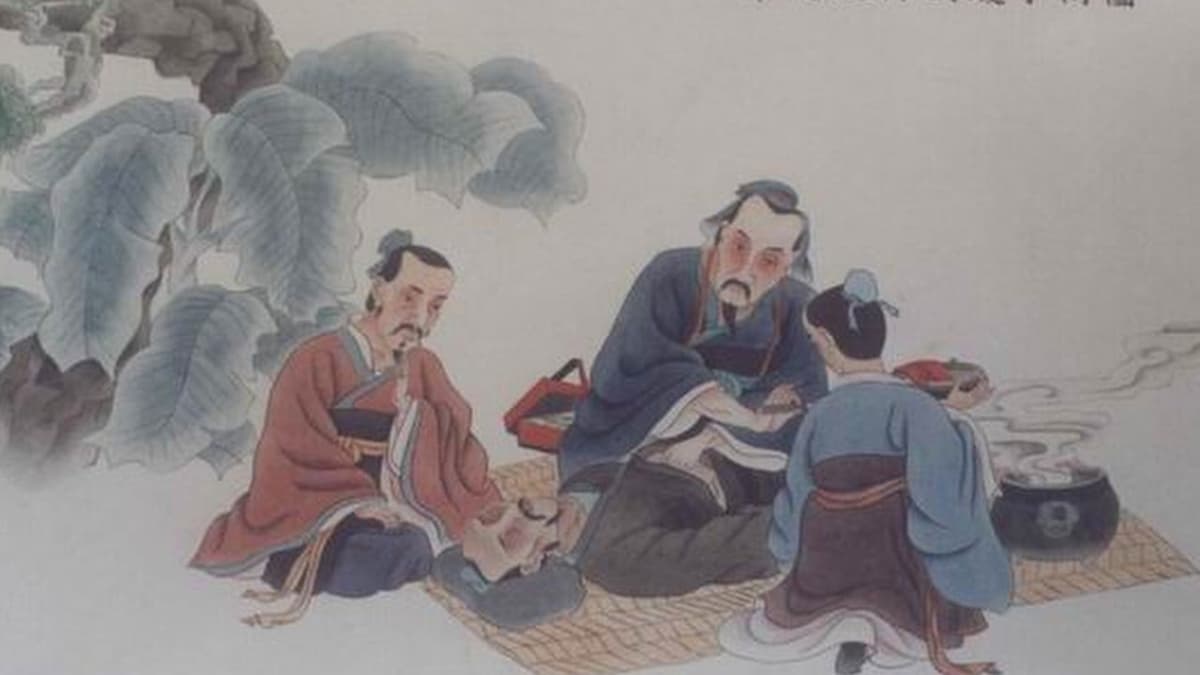
Discovery of Ancient Chinese Anaesthesia Reveals Advanced Early Surgical Practices
Why It Matters
The finding rewrites the timeline of surgical analgesia, highlighting sophisticated Chinese medical practice centuries before modern anesthesia and opening avenues for contemporary drug discovery. It underscores the value of integrating historical pharmacology with modern science.
Key Takeaways
- •Researchers found aconitine residues on 10 Ming‑era surgical tools
- •Ming surgeons used detoxified wolfsbane orally and topically for anesthesia
- •Dosage control was critical; lethal dose as low as 1 mg
- •Ancient texts and modern analysis confirm centuries‑long use of herbal anesthetics
Pulse Analysis
The discovery of aconitine on Ming‑era surgical tools provides the first chemical proof that Chinese physicians employed herbal anesthetics over 600 years ago. While Western medicine marks 1846 as the birth of modern anesthesia, the Chinese practice of using detoxified wolfsbane predates it by several centuries, aligning with descriptions in classical texts such as the *Compendium of Materia Medica*. This archaeological evidence bridges a gap between literary accounts and material culture, offering scholars a tangible link to early pain‑relief strategies.
Aconitine, a potent neurotoxin from the wolfsbane plant, was carefully processed to reduce its lethality. Ming surgeons boiled the plant in vinegar, soaked it in beans, or used mung beans to strip away the most toxic components before creating powders or pastes. Administered orally with wine or applied directly to surgical sites, the preparation produced an initial warmth followed by numbness, allowing operations to proceed with reduced suffering. The narrow therapeutic window—where a dose of 0.2 mg could cause poisoning and 1–2 mg could be fatal—required precise measurement, a skill reflected in the residue patterns found on the instruments.
Beyond historical intrigue, the study has practical implications for modern pharmacology. Researchers are re‑examining these ancient formulations to isolate analgesic compounds that might inspire safer, plant‑based painkillers. By understanding how early physicians balanced toxicity and efficacy, contemporary scientists can develop novel detoxification methods or synergistic blends that enhance pain control without the side effects of synthetic opioids. The convergence of archaeology, traditional Chinese medicine, and modern drug development illustrates how centuries‑old knowledge can inform future therapeutic breakthroughs.
Discovery of ancient Chinese anaesthesia reveals advanced early surgical practices
Comments
Want to join the conversation?
Loading comments...