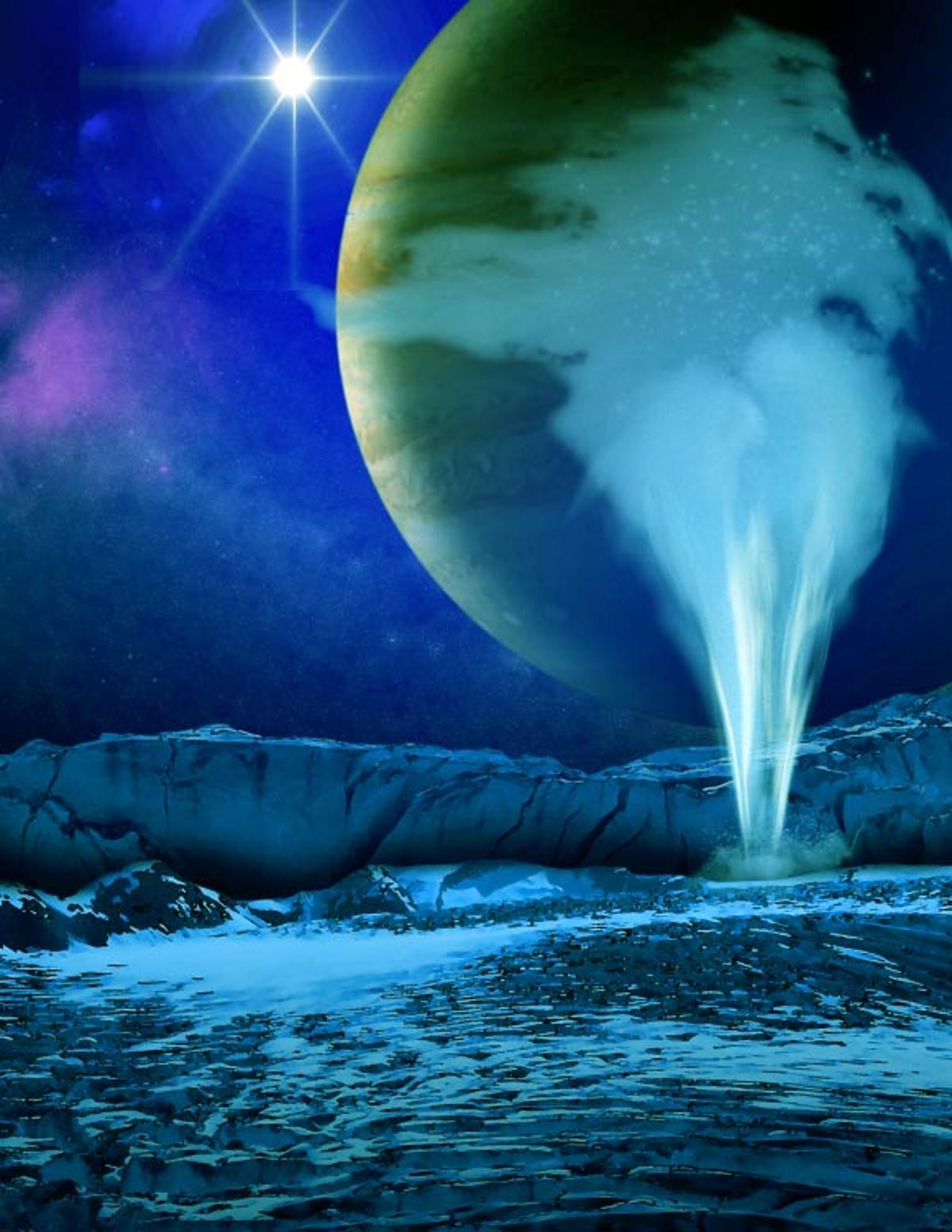
Do Europa’s Water Plumes Really Exist? New Study Reopens Debate
Why It Matters
The revised confidence level reshapes expectations for Europa’s habitability and influences the scientific priorities of upcoming missions like Europa Clipper and JUICE.
Key Takeaways
- •Reanalysis drops plume confidence from 99.9% to under 90%
- •Hubble image placement errors could mimic plume signals
- •Europa’s Lyman‑alpha data now better characterize neutral hydrogen
- •Confirmed plumes on Enceladus keep Europa’s geyser search active
Pulse Analysis
The possibility of water‑vapor plumes on Europa has captivated planetary scientists since the first Hubble observations hinted at geyser‑like activity. Early detections were celebrated because active plumes could transport subsurface ocean material into space, offering a relatively low‑cost avenue for sampling Europa’s habitability. Comparisons to Enceladus, where plume sampling has already yielded organic compounds, amplified the excitement and shaped mission concepts that prioritize plume detection.
In the latest analysis, researchers revisited the same Hubble/STIS datasets, focusing on the Lyman‑alpha line emitted by hydrogen atoms. By correcting for minute misalignments of Europa within the telescope’s field of view—sometimes just a pixel or two—they demonstrated that the previously reported excess emission could be statistical noise rather than a true plume signature. This methodological refinement reduced the statistical confidence from an almost certain 99.9% to below the conventional 90% threshold, a shift that fundamentally weakens the claim of definitive plume evidence.
The implications extend beyond academic debate. Europa Clipper, slated for launch in the mid‑2020s, and ESA’s JUICE mission both carry instruments designed to detect plume activity and characterize the moon’s thin atmosphere. A lower confidence in existing plume detections means mission planners must allocate more observation time to confirm or refute active venting, influencing payload prioritization and flight‑path design. Moreover, the search for plumes remains a high‑value target for astrobiology, as any confirmed outgassing could provide direct access to the subsurface ocean’s chemistry without the need for a lander. The renewed scrutiny underscores the importance of rigorous data handling in the quest to understand Europa’s potential as a habitable world.
Do Europa’s Water Plumes Really Exist? New Study Reopens Debate
Comments
Want to join the conversation?
Loading comments...