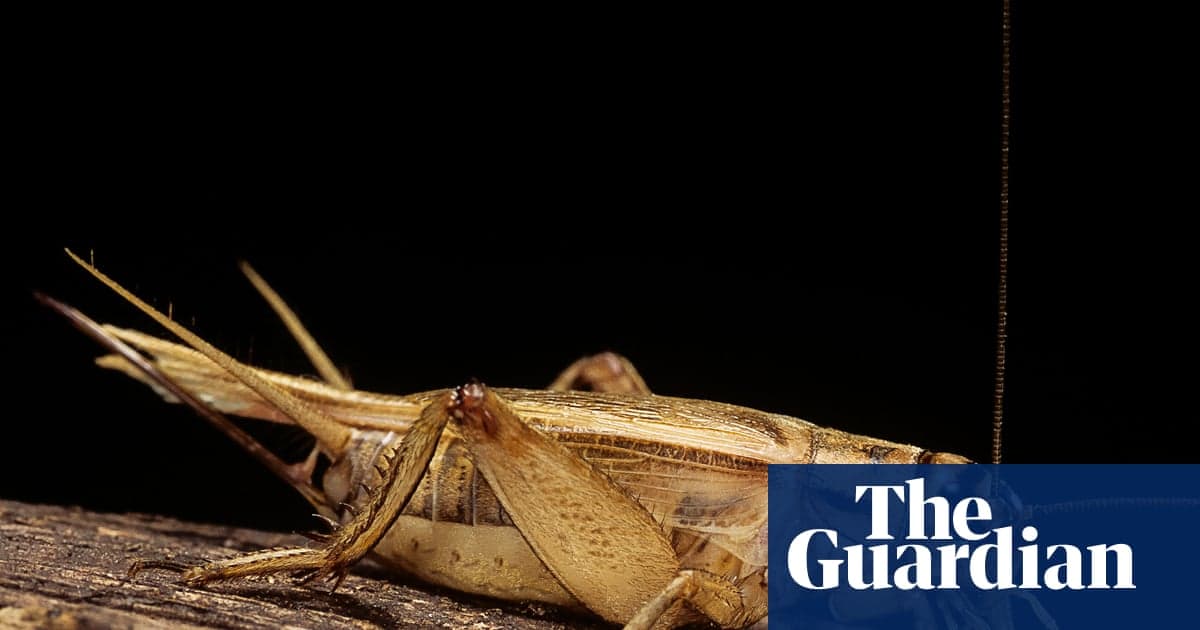
Don’t Reach for the Bug Spray: Crickets Stroke a Sore Antenna, as Cues Suggest Insects Feel Pain
Why It Matters
The observed self‑protective grooming suggests crickets may experience affective pain, prompting reconsideration of humane handling standards in large‑scale insect farming and potentially influencing future legislation on invertebrate welfare.
Key Takeaways
- •Crickets groom heated antenna, indicating targeted self‑protection.
- •Hot probe set at 65 °C caused prolonged attention, not mere agitation.
- •Study published in Proceedings of the Royal Society.
- •Findings support broader debate on insect pain and welfare legislation.
- •Insect farming industry may need to reassess humane handling standards.
Pulse Analysis
The University of Sydney entomology team demonstrated that house crickets (Acheta domesticus) respond to a brief, 65 °C thermal stimulus by repeatedly grooming the affected antenna. Unlike control groups that quickly resumed normal activity, the heated‑probe crickets focused their attention on the injured limb for several minutes, a pattern researchers label ‘flexible self‑protection.’ The behavior mirrors how mammals tend to the site of injury, offering a rare observable cue that may differentiate a reflexive response from an affective pain experience. The findings were peer‑reviewed and published in the Proceedings of the Royal Society.
These results add weight to a growing body of work suggesting that insects possess more complex nociceptive processing than previously acknowledged. Prior experiments have documented play‑like actions in bumblebees, pessimistic judgments in stressed bees, and sophisticated navigation in Bogong moths. The New York Declaration on Animal Consciousness already lists many invertebrates as candidates for sentience, and several jurisdictions now extend welfare protections to cephalopods and crustaceans. As neuroscientists map insect neural circuits, the line between reflex and conscious discomfort is becoming increasingly blurred.
For the burgeoning cricket‑farming sector—projected to supply billions of protein servings annually—the study raises practical and ethical questions. If crickets can experience prolonged discomfort, standard practices such as mass‑handling, heat‑based euthanasia, or rapid transport may require redesign to meet emerging humane standards. Policymakers could follow the precedent set for crustaceans, introducing labeling or handling guidelines that reassure ethically conscious consumers. Meanwhile, investors and researchers are likely to fund further investigations into analgesic interventions and welfare‑focused breeding, shaping the next generation of sustainable insect agriculture.
Don’t reach for the bug spray: crickets stroke a sore antenna, as cues suggest insects feel pain
Comments
Want to join the conversation?
Loading comments...