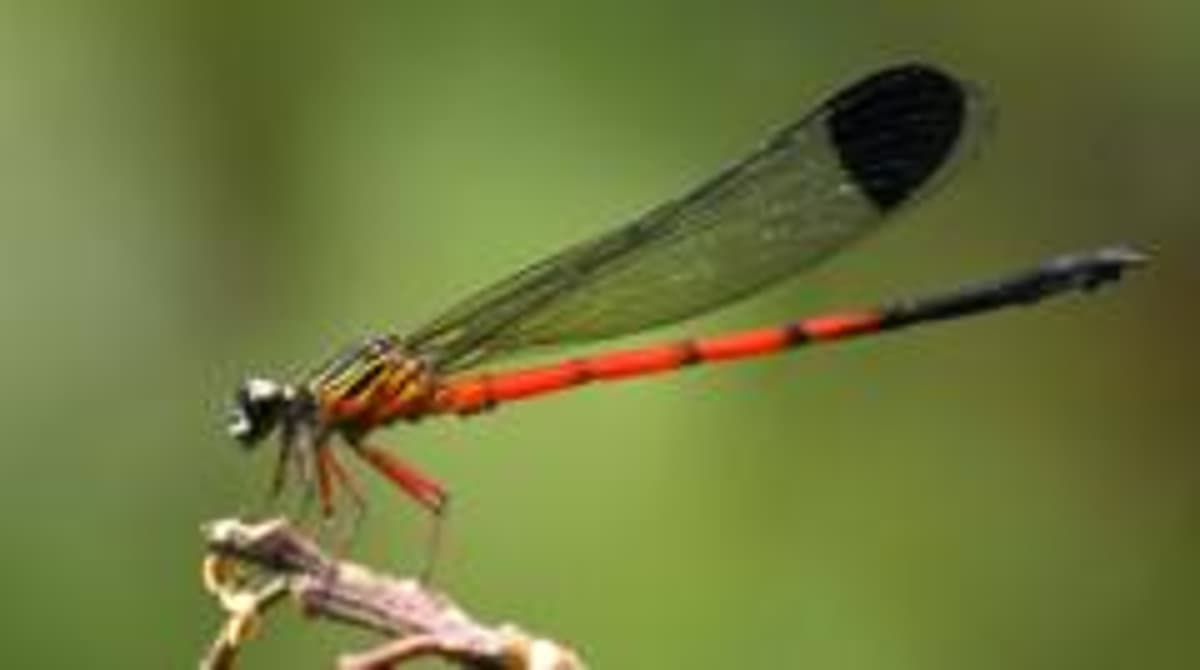
Dragonflies in Distress: Scientists Sound Alarm in India's Ecological Hotspot
Why It Matters
Dragonfly and damselfly populations are sensitive indicators of ecosystem health, so their sharp decline signals broader environmental degradation in the Western Ghats. The loss threatens the region’s unique biodiversity and could impair ecosystem services vital to local communities.
Key Takeaways
- •143 dragonfly and damselfly species recorded in Western Ghats
- •79 species absent, indicating ~35% decline
- •Seven new species discovered, including Protosticta armageddonia
- •Endemic insects serve as ecosystem health indicators
- •Habitat loss from urbanisation, agriculture, mining threatens biodiversity
Pulse Analysis
The Western Ghats, a 1,600‑km mountain chain along India’s western coast, ranks among the planet’s richest biodiversity hotspots. Home to more than 30 % of the nation’s flora and fauna and over 325 globally threatened species, the range also supports countless endemic insects that help regulate climate and pollination. Among these, dragonflies and damselflies—collectively known as odonates—are prized by ecologists because their life cycles are tightly linked to water quality, making them reliable gauges of wetland health.
The two‑year survey, funded by India’s Department of Science and Technology, marked the first systematic inventory of odonate diversity across five states of the Ghats. Field teams braved remote riverbanks, mangrove swamps and moss‑laden slopes, recording 143 species, of which 40 are found nowhere else. Alarmingly, 79 species documented in earlier reports were absent, suggesting a 35 % contraction in the odonate community. The expedition also uncovered seven species new to science, including the aptly named Protosticta armageddonia, and is now compiling a genetic library to aid future taxonomic and conservation work.
The decline of these indicator species mirrors mounting anthropogenic pressures—rapid urban expansion, intensive agriculture, infrastructure projects, invasive plants and mining—that the IUCN flagged as “significant concern” in its 2025 assessment. As odonates disappear, the cascading effects on food webs, water purification and climate resilience become more pronounced. Policymakers and conservation NGOs must translate the study’s data into targeted habitat protection, stricter land‑use regulations, and community‑based monitoring to halt the erosion of the Western Ghats’ irreplaceable ecological legacy.
Dragonflies in distress: Scientists sound alarm in India's ecological hotspot
Comments
Want to join the conversation?
Loading comments...